Minneapolis mayor says federal immigration agents to begin leaving city
Mayor Jacob Frey said some federal immigration agents will start departing Minneapolis after two fatal shootings by federal officers sparked intense public outcry.
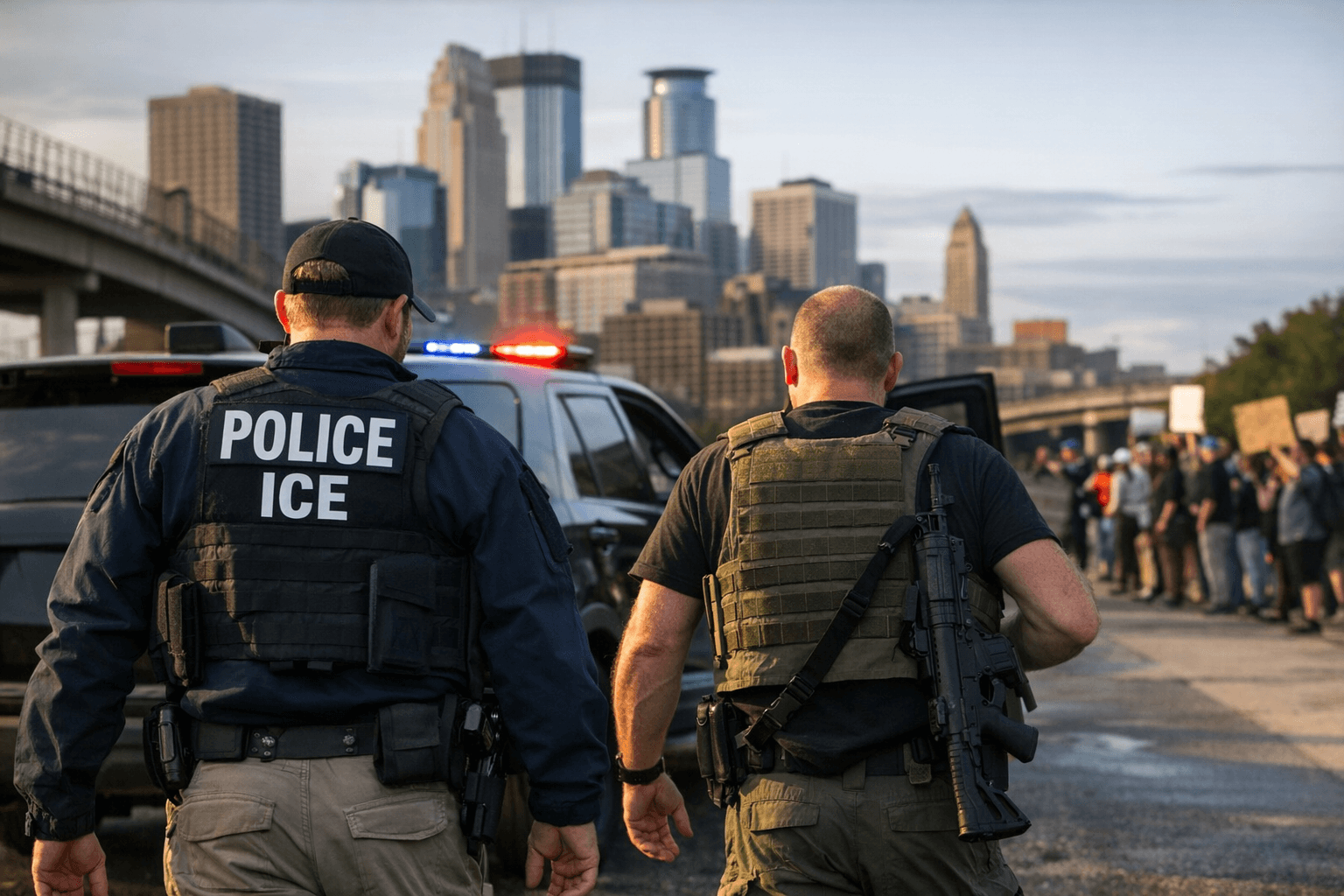
Mayor Jacob Frey announced that some federal immigration enforcement agents would begin leaving Minneapolis as soon as Tuesday, following intense public pressure after two separate fatal shootings involving federal officers. The mayor said he had spoken directly with President Donald Trump and that the partial withdrawal was intended to calm tensions while investigations proceed.
The incidents, which left two people dead and touched off large street protests, reignited a national debate over the use of federal agents in local communities. City officials have said the presence of immigration enforcement personnel had been controversial since their deployment, and the mayor framed the limited pullback as a way to reduce immediate confrontation while preserving the integrity of ongoing reviews.
Local leaders and advocates pressed for swift action after widespread demonstrations that drew thousands to downtown intersections and civic spaces. Protesters demanded transparency, independent investigations and restrictions on the deployment of federal personnel without clear co-ordination with municipal authorities. City Hall has said it will press for full disclosure of agent roles and rules of engagement during the operations that led to the shootings.
Policy and legal questions now loom. Federal immigration agencies operate under national mandates, but their operations in cities often intersect with local policing and prosecutorial priorities. Minneapolis officials signaled they will seek clarity on the legal basis for the agents' presence and the chain-of-command that governed the operations preceding the shootings. That review could inform future municipal ordinances and influence how cities negotiate with federal authorities on law enforcement presence.
The political stakes are high. Deployments of federal agents in U.S. cities became a flashpoint in 2020 and remain politically charged, affecting local trust in law enforcement and national debates about immigration enforcement and public safety. The mayor’s conversation with the president underscores how deployments can rapidly escalate into a matter of federal-local diplomacy, with implications for governance and public confidence.
Economic effects are likely to be measured but meaningful for the local economy. Short-term closures, protest activity and heightened security can suppress retail and hospitality spending in affected neighborhoods. Business leaders have reported disruptions during previous episodes of unrest, and a prolonged standoff could add to policing and public-safety costs borne by the city. Minneapolis’ municipal finances have shown resilience in recent years, but unplanned security expenditures and declines in downtown foot traffic can widen budgetary pressures, especially for small businesses that account for a large share of local employment.
Longer term, the episode may accelerate policy shifts. Cities nationwide are recalibrating agreements with federal agencies, seeking clearer memoranda of understanding and more robust transparency measures. Legal challenges and audits are likely to follow, which could reshape norms about federal operations in urban areas and influence congressional oversight of immigration enforcement.
Investigations into both shootings are expected to take weeks or months, and the partial withdrawal of agents may be temporary while officials review evidence and consult with federal counterparts. For Minneapolis residents and businesses, the next phase will hinge on the pace and thoroughness of those inquiries and whether the city secures binding commitments on how federal enforcement will proceed.
This article was produced by Prism’s automated news system from verified source data, official records, and press releases, then run through automated quality and moderation checks before publishing. The system is built and supervised by the people who set the standards it runs under. Read our full AI policy.
Did this article answer your question?

