Minnesota and Twin Cities sue to block expanded ICE and DHS deployment
Minnesota, Minneapolis and St. Paul ask a federal court to halt Operation Metro Surge, arguing the deployment is unlawful, politically motivated and harming local commerce.
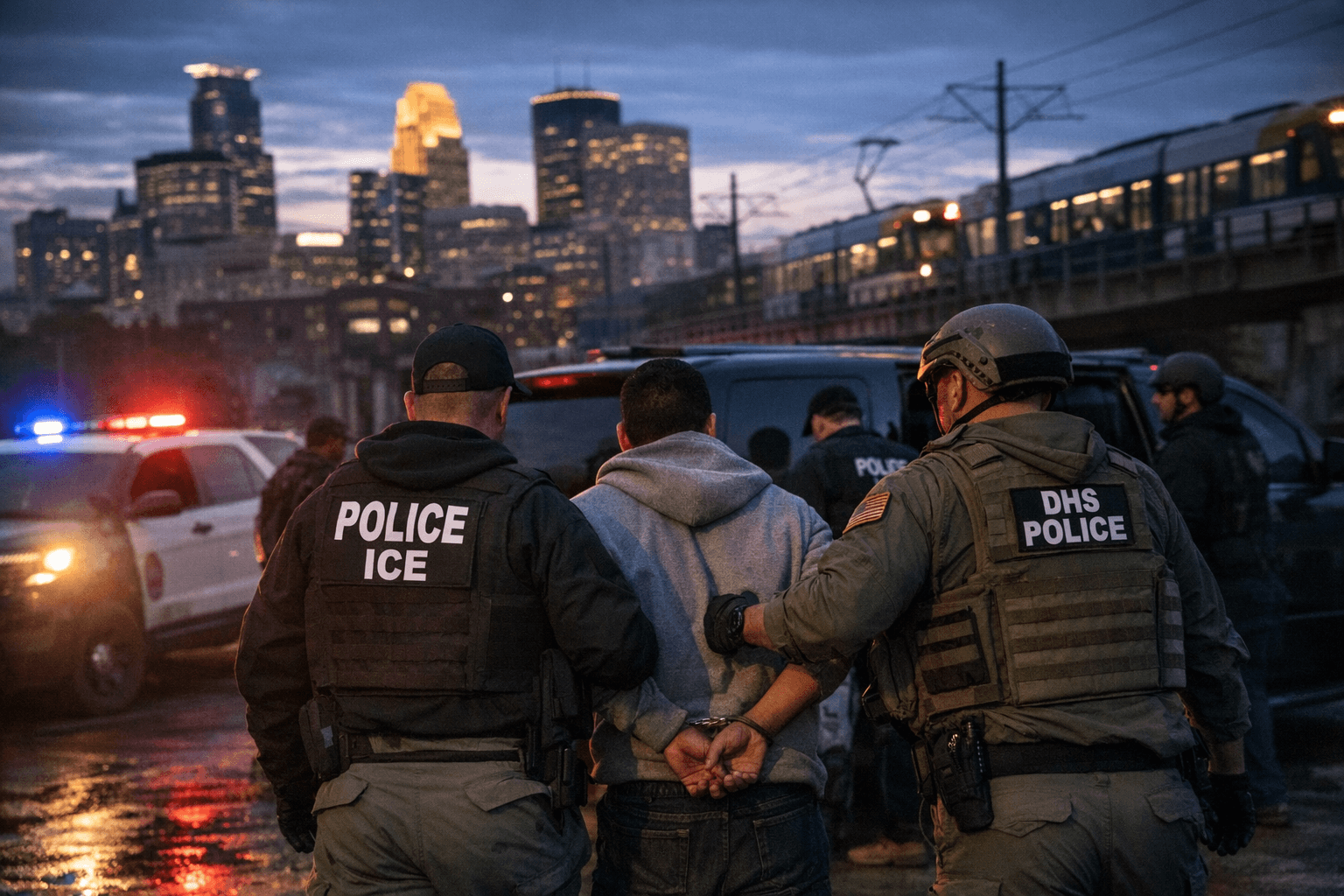
Minnesota Attorney General Keith Ellison, joined by the cities of Minneapolis and St. Paul, filed suit in federal court challenging an expanded deployment of Department of Homeland Security, U.S. Immigration and Customs Enforcement and other federal agents known as Operation Metro Surge. The complaint asks a U.S. district court to declare the surge unlawful, to enjoin the deployment and to issue immediate injunctive relief, including a temporary restraining order; plaintiffs indicated they would seek a hearing on a TRO "as soon as Tuesday."
The 98‑page filing alleges the federal government has overstepped constitutional and statutory bounds by effectively commandeering state and municipal resources, violating Minnesota law and city ordinances and infringing First Amendment protections. The suit frames the operation not as routine law enforcement but as politically motivated retaliation against Democratic‑led state and city governments, citing social media posts by federal accounts that the complaint says demean local leaders and celebrate the deployment. The complaint references DHS posts such as "GOOD MORNING MINNEAPOLIS!" and a White House post saying the administration was "UNLEASHING a relentless assault" as evidence of political intent.
Federal officials have characterized the operation as immigration enforcement, with DHS pledging to deploy more than 2,000 immigration officers to Minnesota and ICE describing the effort as its largest enforcement operation ever. Assistant Homeland Security Secretary Tricia McLaughlin told reporters DHS law enforcement "have made over 2,000 arrests since Operation Metro Surge began." Plaintiffs contend those figures and the addition of roughly 1,000 U.S. Customs and Border Protection officers reported by federal law‑enforcement sources amount to a multi‑thousand‑person militarized presence that has produced civil liberties harms and public safety costs.
The complaint also details alleged economic impacts. It says the deployment has "terrorized Minnesota," reduced customer traffic and forced some businesses to close, putting pressure on municipal revenues that are critical to local projects. To illustrate those stakes the filing cites Minneapolis's 1.5 percent sales tax structure, split into a 0.5 percent Sales Tax Revitalization (STAR) Program and a 1 percent allocation for streets, bridges, parks and recreation, revenue streams plaintiffs say are at risk if commerce declines or if policing demands redirect local budgets.
The lawsuit follows a fatal shooting of a Minneapolis woman by a federal officer connected to the surge and days of national protests. Plaintiffs say federal officers have used excessive force, harassed residents and otherwise engaged in unlawful conduct. Ellison framed the complaint as targeted at abusive practices, saying "we need ICE to just do what ICE is supposed to do," and characterizing the deployment as, in his words, "in essence a federal invasion of the Twin Cities."
The Minnesota action joins a wave of state and local legal challenges to expanded federal immigration operations; parallel litigation has already been filed in other states seeking to curb CBP and DHS tactics and to constrain placements of federal personnel inside state borders. The posture in the Minnesota case sets up a near‑term legal showdown over the scope of federal immigration enforcement powers, states' sovereignty and the constitutional limits on politically charged law enforcement.
Markets and municipal finance observers will watch the case for its potential to affect local economic activity and investor perceptions of municipal risk. If courts curb the surge, cities may see a quicker restoration of commerce; if the deployment continues, localized revenue declines and higher policing costs could complicate budgets and capital projects. The court's expedited schedule means a decision on urgent relief could come within days, shaping both law enforcement operations and economic conditions in the Twin Cities.
This article was produced by Prism’s automated news system from verified source data, official records, and press releases, then run through automated quality and moderation checks before publishing. The system is built and supervised by the people who set the standards it runs under. Read our full AI policy.
Did this article answer your question?