Minnesota proposes groundwater rule limiting fall fertilizer to protect wells
Minnesota sought public comment on a proposed rule to restrict fall and frozen-soil nitrogen fertilizer to reduce nitrate risk. The move could affect local farm timing and private well safety.
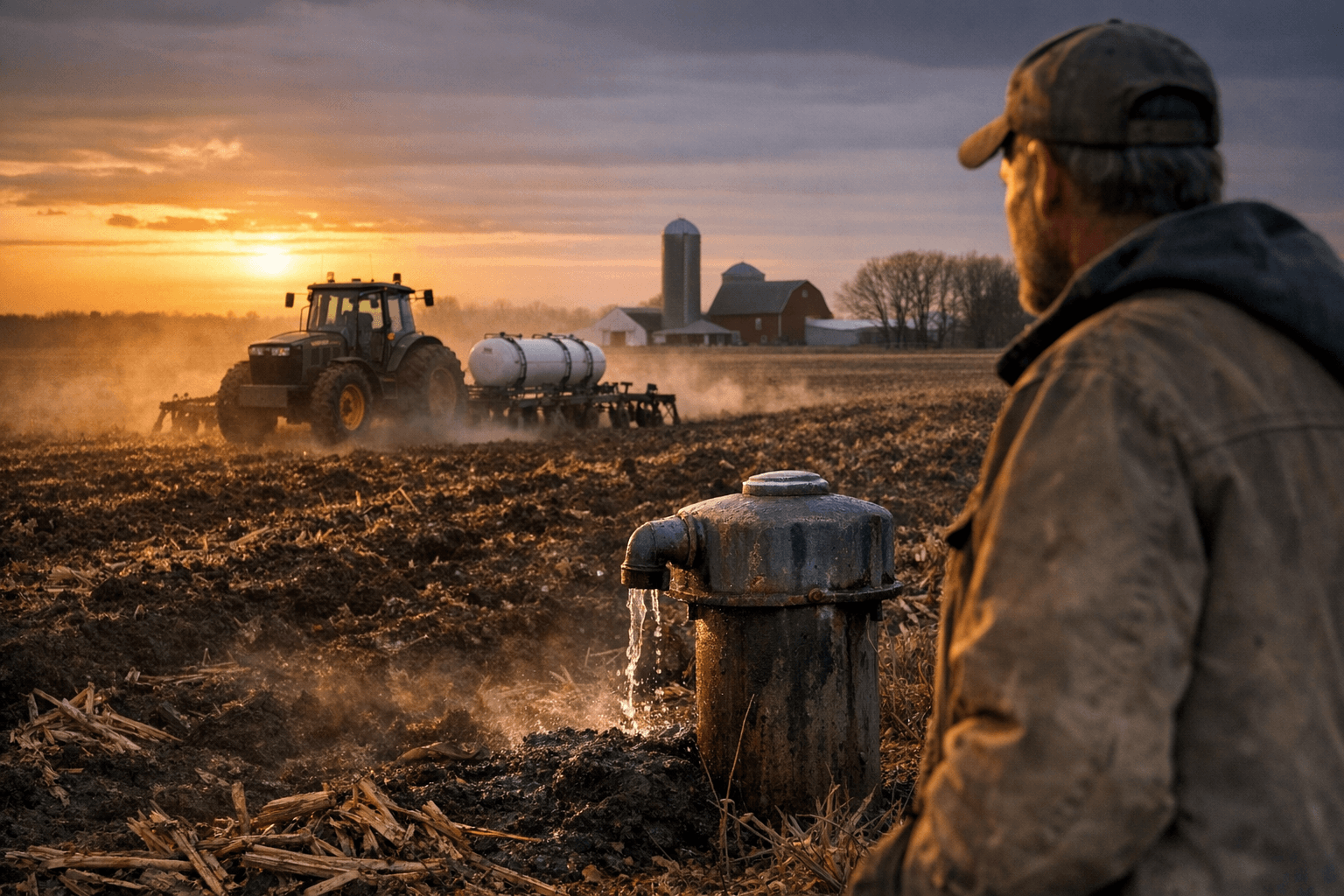
The Minnesota Department of Agriculture sought public comment on a proposed Groundwater Protection Rule on Jan. 15 that would restrict application of nitrogen fertilizer in the fall and on frozen soils and establish a framework for addressing elevated nitrate levels in public water supplies. The proposal aims to reduce the risk of nitrate leaching into groundwater that feeds private wells and municipal systems across rural counties, including Otter Tail.
Under the draft rule, restrictions would specifically target periods and conditions when applied nitrogen is most likely to move through soil and into aquifers. State officials asked commenters to provide substantive information and evidence on whether the rule as written adequately protects groundwater and whether additional restrictions should apply in geologically sensitive regions, citing examples such as karst geology in southeast Minnesota and the Central Sands region.
For Otter Tail County residents, the proposed rule speaks to two immediate concerns: the quality of household well water and the rhythms of local farming. Many residents rely on private wells or small community systems that can be vulnerable to nitrate contamination, which poses health risks and can be costly to treat. Farmers and crop managers face the practical challenge of balancing nutrient management for yield and profitability with new seasonal limits that could shift application windows and on-farm logistics.
A local Perham Focus brief directed readers to the MDA rulemaking process and encouraged stakeholders and residents to submit detailed comments. State rulemaking is an administrative legal process that hinges on public input; officials will review evidence and arguments supplied during the comment period as they refine regulatory language and decide whether geographic exemptions or additional protections are warranted.
Beyond local borders, the issue reflects broader tensions familiar in agricultural regions worldwide: how to reconcile productive farming practices with long-term water security. Nitrate pollution is a common rural water quality problem, and policy choices about timing and limits on fertilizer use can have outsized effects on small communities that depend on private wells. In areas with sensitive geology, such as karst landscapes where surface and groundwater are closely connected, tighter restrictions are often considered because contaminants move quickly into aquifers.
For Otter Tail residents, the next step is engagement. Those concerned about domestic wells, municipal supplies, farm operations, or regional geology are encouraged to compile and submit the sort of substantive information the MDA requested so it can weigh local conditions in its decision-making. How the state balances agricultural needs and drinking water protection in this rulemaking will shape farming calendars, well safety, and community health across the county in the months and years ahead.
Sources:
Know something we missed? Have a correction or additional information?
Submit a Tip