Missile strikes tanker in Strait of Hormuz, killing two Indian crew
Two Indian seafarers died after a missile hit the sanctioned tanker Skylight near Khasab Port, turning a routine Hormuz transit into a fatal trap.
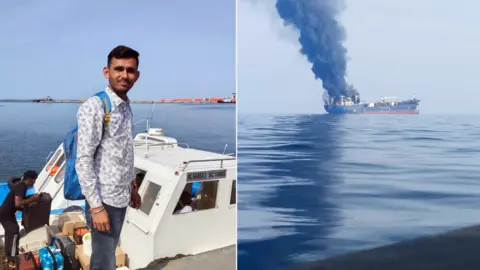
A missile slammed into the Palau-flagged oil tanker Skylight in the early hours of March 1, turning a passage just north of Oman’s Khasab Port into a deadly test of how exposed commercial crews have become in the Strait of Hormuz. The ship had sailed from Dubai and was moving through one of the world’s most heavily used energy corridors when it was struck about five nautical miles north of Khasab, in Musandam governorate.
Sunil Puniya was on his first sea job when the attack hit. Omani maritime authorities evacuated all 20 crew members from the vessel, and reports said four sailors were injured. The crew reportedly included 15 Indian nationals and five Iranians. Later reports identified two Indian crew members as dead after they were first reported missing, underscoring how quickly a shipping incident can become a family crisis for seafarers waiting far from shore for word of survival. In some accounts, another crew member remained missing.
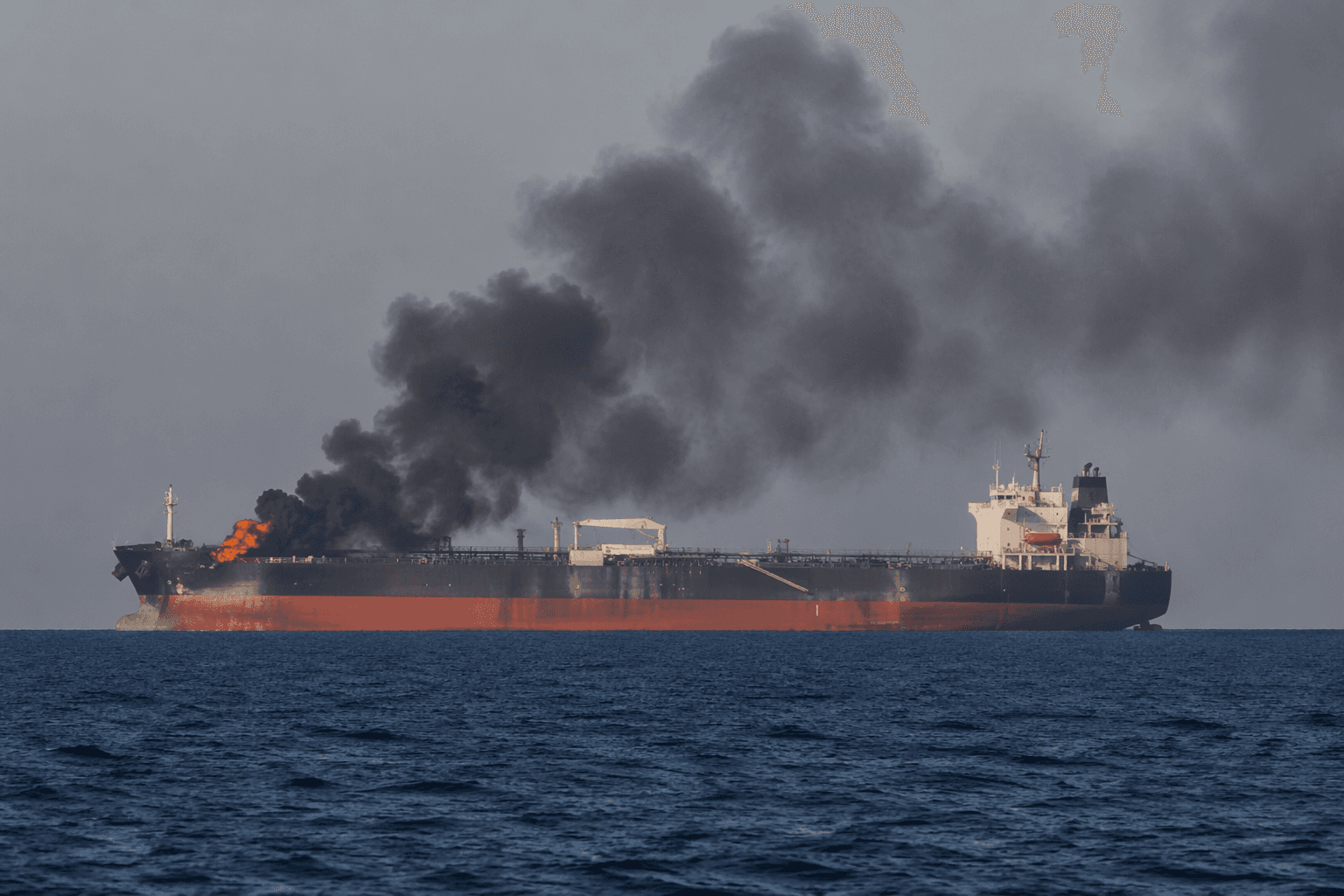
Skylight was also a sanctioned vessel, which sharpened the legal and operational risks around it even before the strike. The tanker was described as the first commercial vessel hit after the U.S.-Israel war with Iran erupted in the region, a signal that civilian shipping had become part of the confrontation’s frontline. UKMTO advisories had already warned of a highly volatile security environment in the Arabian Gulf, the Gulf of Oman and the Strait of Hormuz, while the U.S. Maritime Administration had issued Maritime Advisory 2026-001 on Iranian illegal boarding, detention and seizure in the Strait of Hormuz and the Gulf of Oman.

The attack carried implications well beyond one ship. The U.S. Energy Information Administration said about 20 million barrels per day passed through the Strait of Hormuz in 2024, roughly 20% of global petroleum liquids consumption. The International Energy Agency said about 20 million barrels per day of crude oil and oil products moved through the strait in 2025. That volume makes every warning, escort decision and routing change a matter of global supply, insurance costs and crew safety. For the men aboard Skylight, those abstractions became a rescue operation, and then a death toll.
This article was produced by Prism’s automated news system from verified source data, official records, and press releases, then run through automated quality and moderation checks before publishing. The system is built and supervised by the people who set the standards it runs under. Read our full AI policy.
Did this article answer your question?