Missing Auburn student found dead in Japan near Kyoto, mother says
Auburn student James Weston Higginbotham was found dead near Kyoto after a week missing on a family trip, and his mother asked for privacy.
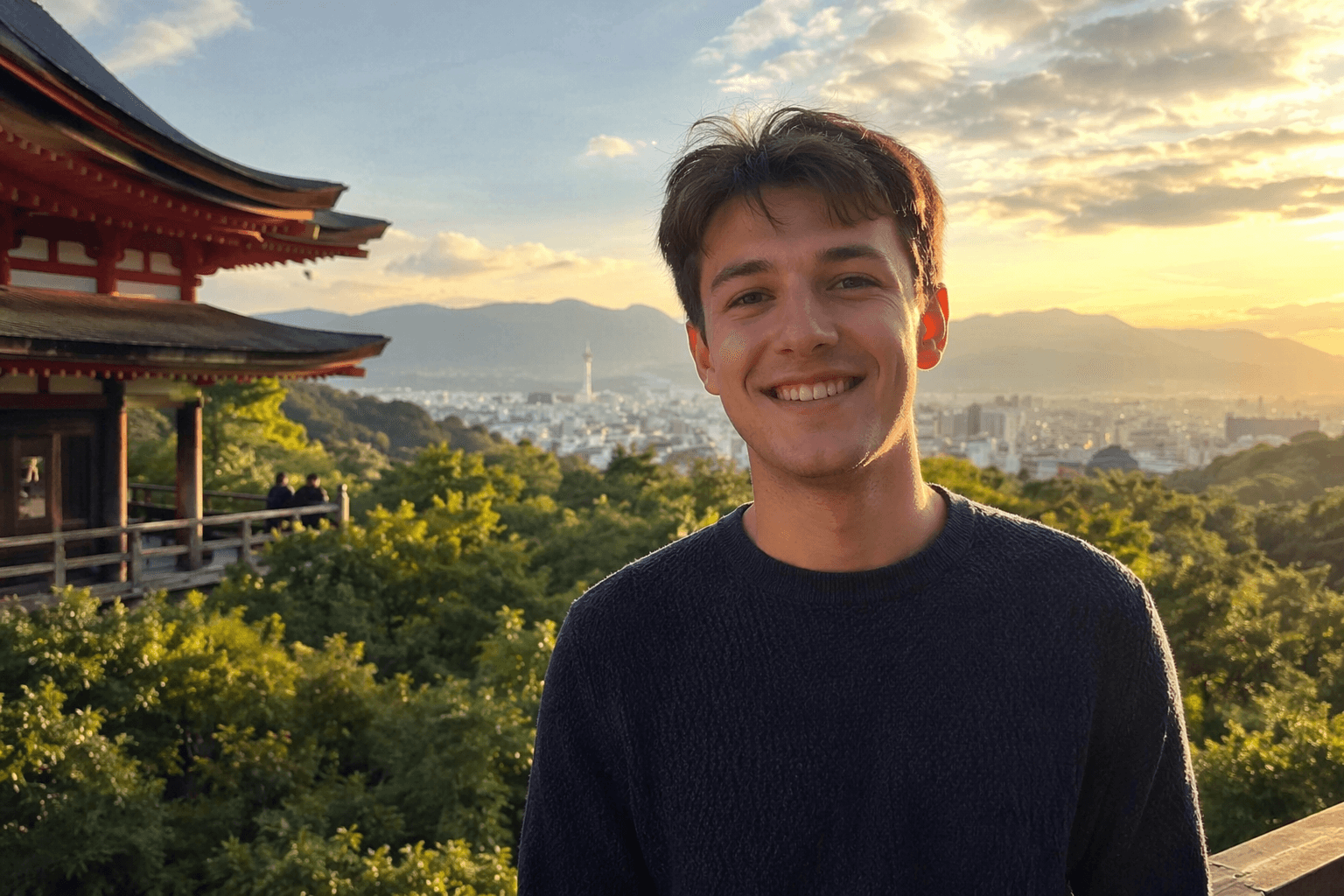
A 20-year-old Auburn University student who vanished during a family vacation in Japan was found dead in a mountainous area outside Kyoto, his mother said. James Higginbotham, also identified as James Weston Higginbotham, had been missing for about a week after he went to an area near Kyoto known for hiking trails.
His body was found by a volunteer search-and-rescue group, after rescue teams searched on Thursday. The family had stayed in Japan and launched its own search as the days passed, trying to trace where Higginbotham had gone after disappearing in the wooded terrain outside one of Japan’s most visited cities.
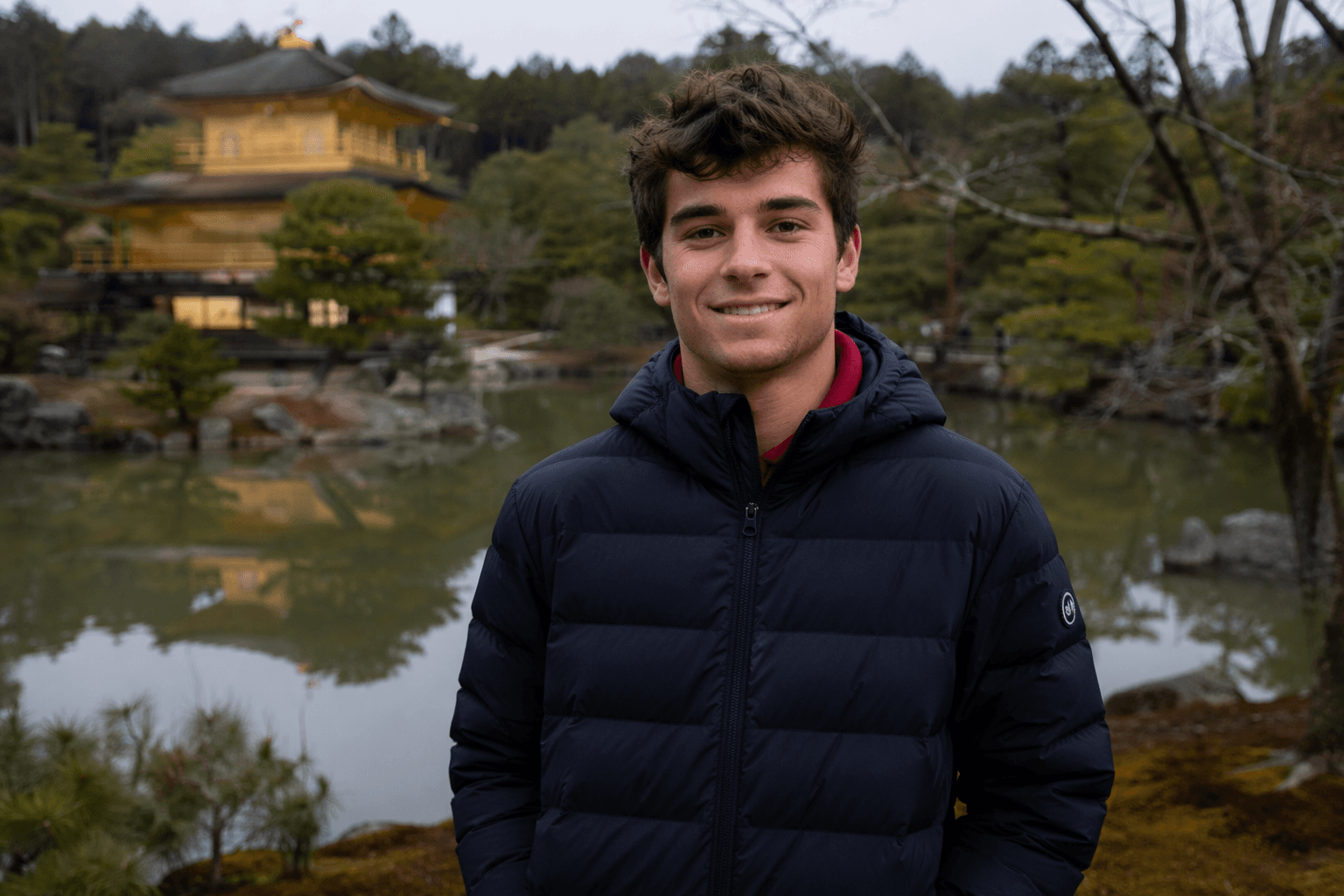
Nancy Higginbotham confirmed her son’s death and asked for privacy as the family began to confront the loss. She said, “The outpouring of kindness and support has carried us through the darkest days of our lives.” Her statement captured both the shock of the death and the strain placed on a family trying to navigate a disappearance far from home.
The case also underscores how quickly a student’s overseas trip can turn into a cross-border emergency with limited institutional reach. Higginbotham was not traveling alone on a study-abroad program but with family, and the search depended on local rescue teams, a volunteer group, and relatives on the ground in Japan. For American families, that means the first response can come from police, rescuers, and volunteers abroad, while universities can identify the student and support communication, but cannot control the search once a disappearance unfolds outside the United States.
His disappearance drew attention from national outlets including CNN, Yahoo, and ABC News, as the search stretched over days and ended in a mountainous area outside Kyoto. The facts of the case, a young Auburn student, a family trip, a trail area near Kyoto, and a volunteer-led recovery, point to the vulnerability that American students can face when an ordinary vacation becomes an international search.
This article was produced by Prism’s automated news system from verified source data, official records, and press releases, then run through automated quality and moderation checks before publishing. The system is built and supervised by the people who set the standards it runs under. Read our full AI policy.
Know something we missed? Have a correction or additional information?
Submit a Tip