Missing World War II pilot identified after 81 years in Thailand
A 21-year-old Army Air Forces pilot lost over Thailand in 1944 has been named at last, closing an 81-year family uncertainty.
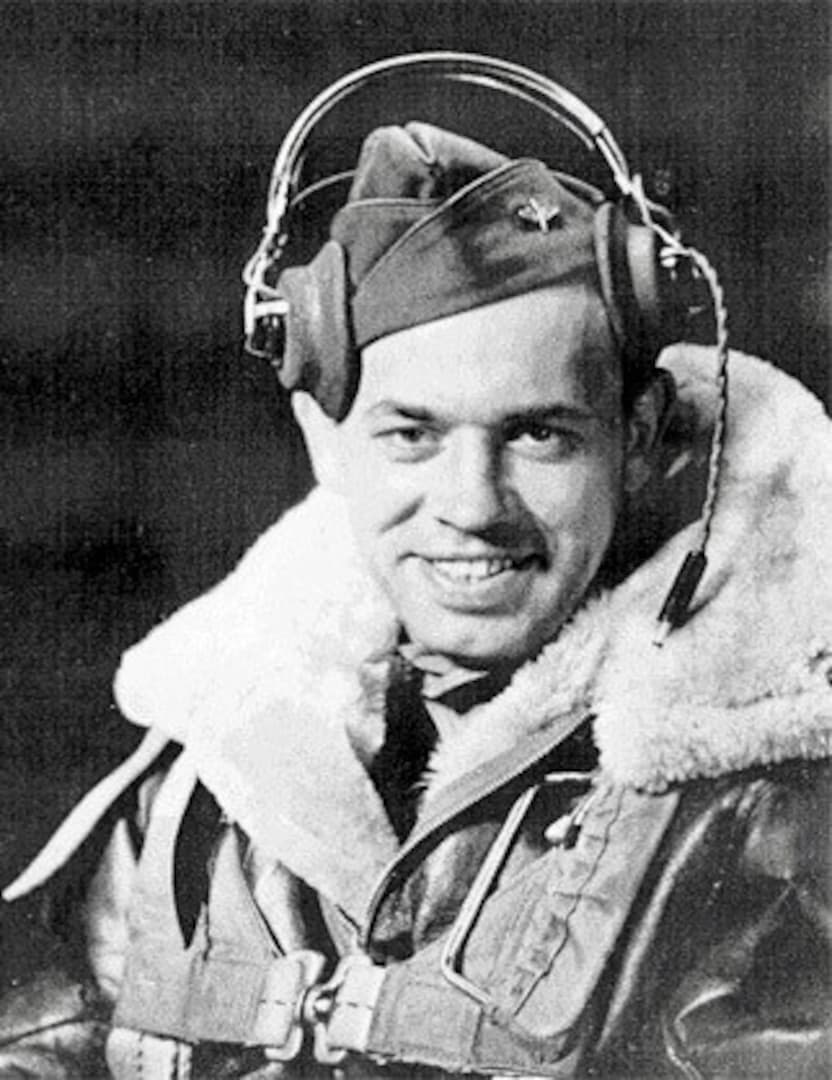
U.S. Army Air Forces 1st Lt. Franklin H. McKinney, a 21-year-old pilot who vanished in World War II after a mission from China toward Thailand and Burma, has been identified by the Defense POW/MIA Accounting Agency. McKinney was accounted for on May 15, 2026, ending a case that began when he failed to return on Nov. 5, 1944.
McKinney served with the 35th Photo Reconnaissance Squadron, 14th Air Force, and was flying an F5E-2-LO Lightning aircraft from Yunnanyi, China, when he disappeared on the reconnaissance run. American Graves Registration Service personnel searched along his flight path to the Chinese-Thai border but found no evidence of a crash, and his remains were never accounted for after the war until the recent identification.
The case moved forward through a 2026 recovery mission in Lampang province, Thailand, where Thai and U.S. teams worked together to recover remains tied to McKinney’s disappearance. The U.S. Embassy in Bangkok thanked Thai authorities for helping bring the case to a close. The search began in earnest in 2022, when DPAA specialists excavated the crash site.

The Defense POW/MIA Accounting Agency says nearly 81,000 Americans are still missing from past conflicts, including 20,070 unaccounted-for U.S. Army Air Forces personnel from World War II. The agency continues to brief families, pursue repatriations and piece together records that were left incomplete when the war ended.
National POW/MIA Recognition Day was established by President Jimmy Carter in 1979 and is observed on the third Friday in September.
This article was produced by Prism’s automated news system from verified source data, official records, and press releases, then run through automated quality and moderation checks before publishing. The system is built and supervised by the people who set the standards it runs under. Read our full AI policy.
Did this article answer your question?

