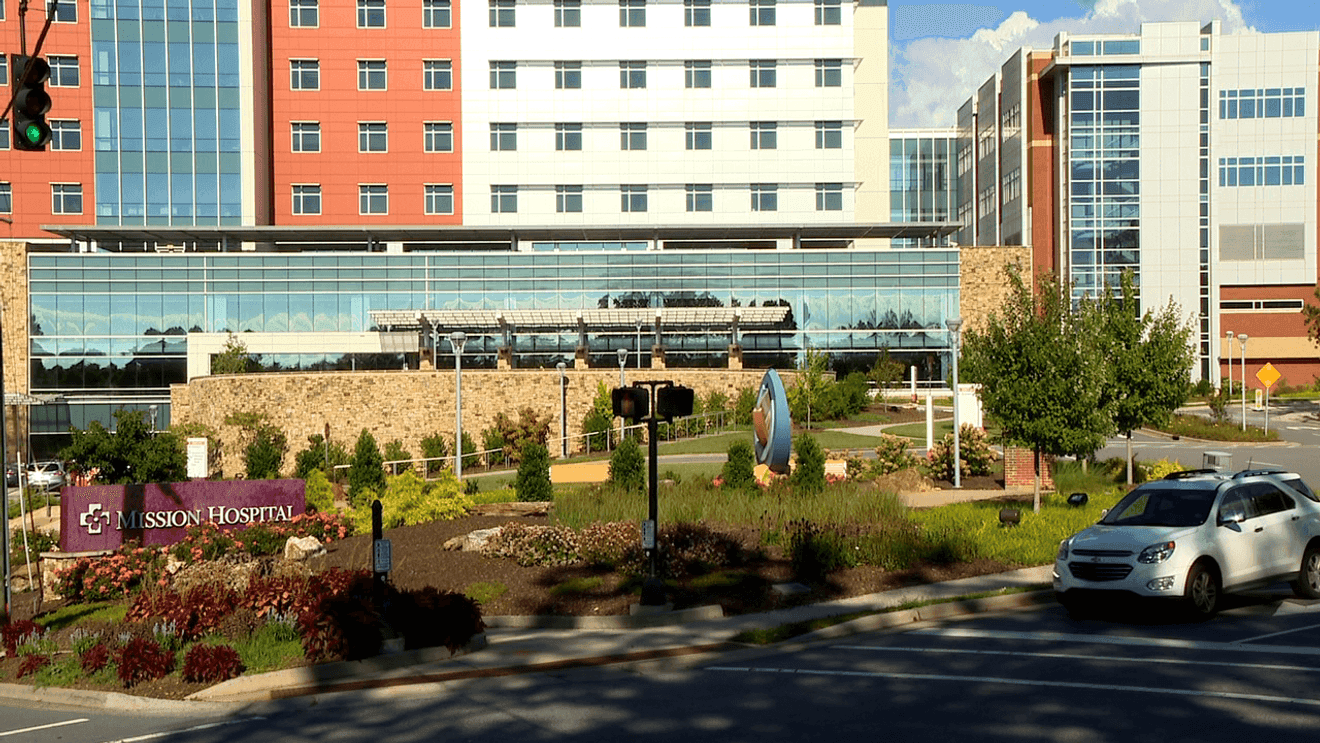
Mission Hospital First in WNC to Implant Leadless Dual-Chamber Pacemaker
Mission Hospital implanted Western North Carolina's first leadless dual-chamber pacemaker, bringing a less invasive option and faster recovery to local cardiac patients.
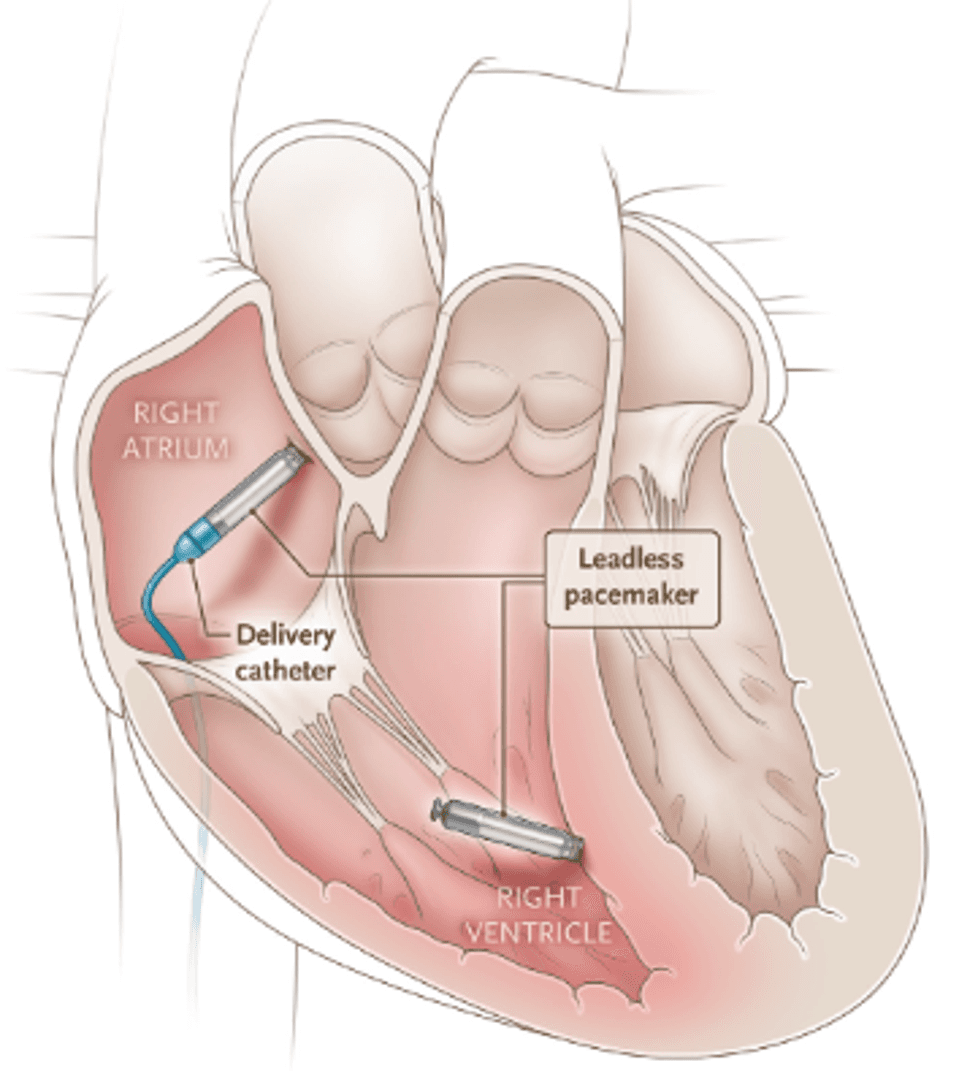
Mission Hospital has become the first hospital in Western North Carolina to implant a leadless dual-chamber pacemaker, expanding access to a newer, less invasive option for patients who need coordinated pacing of both the atrium and ventricle.
The procedure uses two very small leadless devices placed directly inside the heart chambers instead of a traditional pacemaker with leads and a subcutaneous pocket. The two implants communicate internally to coordinate timing between the atrium and ventricle, providing dual-chamber pacing without transvenous leads. Hospital clinical staff, including Dr. John Brandt of Clinical Cardiac Electrophysiology, led the team offering the new therapy and described its advantages and patient selection considerations.
Compared with conventional systems, the leadless dual-chamber approach offers several benefits: no visible device bump under the skin, lower risk of infection and lead-related failure, fewer restrictions on arm movement after implantation, shorter recovery times, and the ability to retrieve or replace devices in the future. The procedure is minimally invasive and is intended for patients whose cardiac rhythm problems require pacing in both chambers.
For Buncombe County and surrounding communities, the local availability of this technology means patients can receive cutting-edge cardiac care without traveling to distant academic centers. That proximity matters in a region where access to specialty cardiology care has required longer drives for some families. Shorter recovery and fewer postoperative restrictions can also help residents who lead active lives in the mountains, whether they are returning to work, caregiving duties, or outdoor pursuits on area trails.
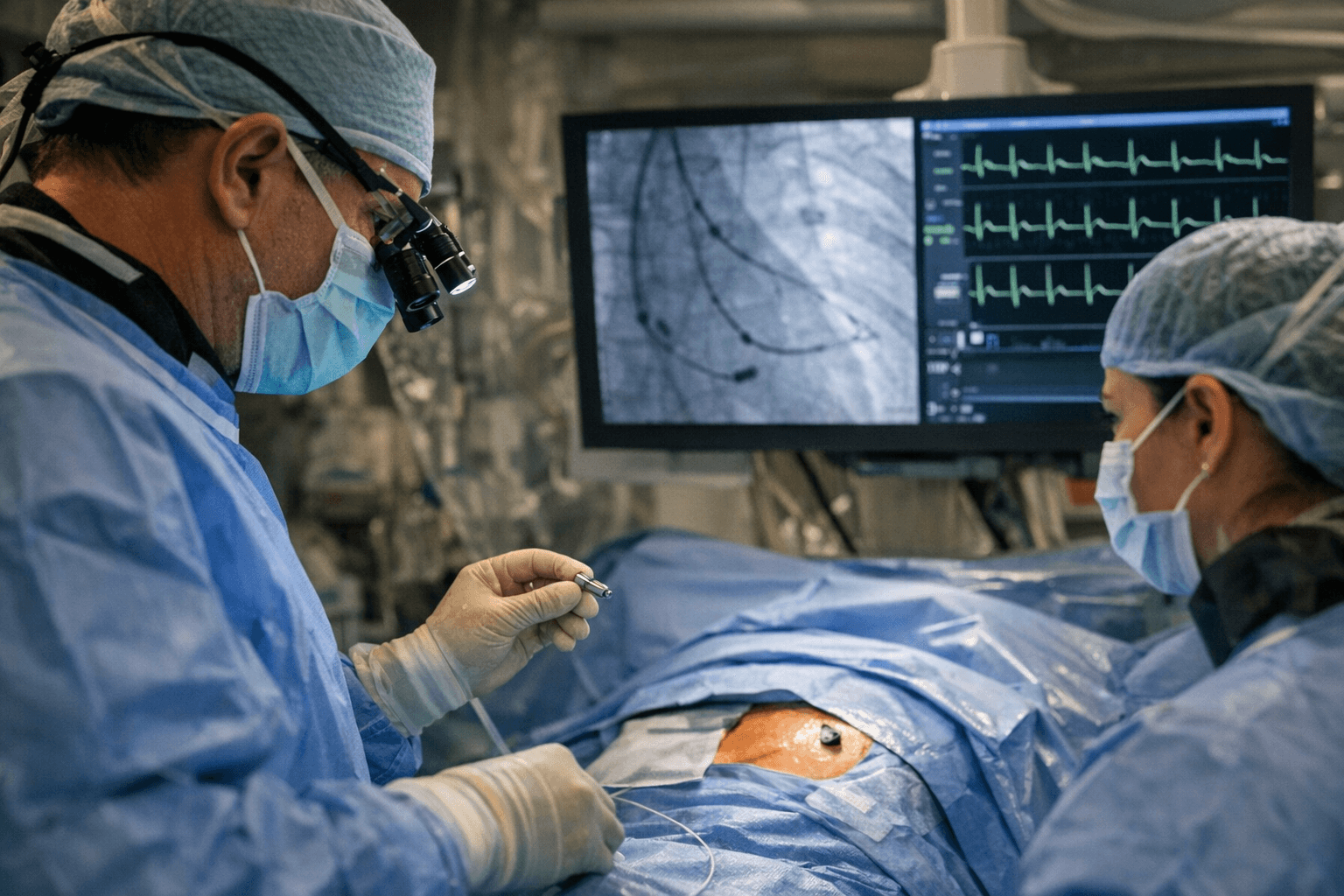
Clinical teams emphasized careful patient selection; not every patient who needs a pacemaker is a candidate for the leadless dual-chamber system. Physicians evaluate heart anatomy, pacing needs, and other health factors to determine the best device for each person. The hospital said the program will expand options for patients who otherwise would receive traditional transvenous systems.
As the technology spreads, local clinicians will monitor outcomes and device management, including future retrieval or replacement when needed. For patients and families in Buncombe County, the development represents a meaningful step in bringing advanced cardiac therapies closer to home and reducing the burdens of treatment and recovery.
Sources:
Know something we missed? Have a correction or additional information?
Submit a Tip