Mississippi lawmakers begin redrawing districts after Supreme Court ruling
Mississippi lawmakers opened a new redistricting fight Monday, after a Supreme Court ruling reopened the door to maps that could shift Black representation and party power.
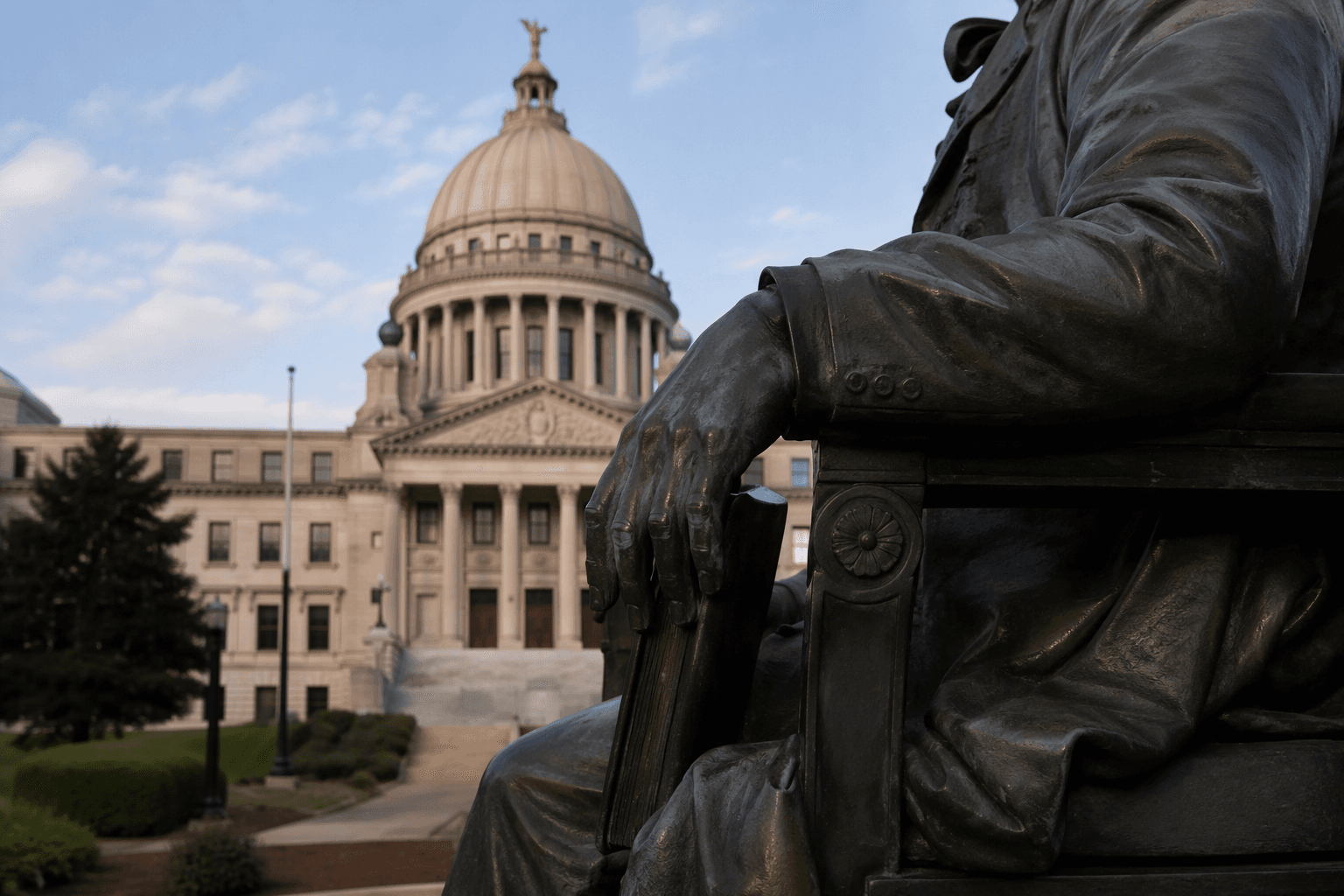
Mississippi lawmakers took the first steps on Monday toward redrawing the state’s legislative, congressional and judicial districts, launching a politically fraught process that could shape representation for the next decade. The organizational meeting of the Joint Redistricting and Reapportionment Committee at the state Capitol in Jackson set up a fresh fight over who gets represented, and how much power Black and rural communities keep at the ballot box.
The push comes after the U.S. Supreme Court’s Louisiana v. Callais decision weakened minority voting protections and changed the legal landscape around Mississippi’s maps. That ruling has forced lawmakers back into a debate that already reached the courts once, and it has reopened questions about whether the state’s districts satisfy constitutional requirements without diluting the voting strength of Black Mississippians.
Mississippi’s redistricting battles have been especially intense because the state has long been marked by racially polarized voting. That history has made Section 2 Voting Rights Act disputes central to the drawing of districts, particularly in areas where Black voters make up a large share of the population and have argued that map lines can determine whether their votes carry real weight.
The legal pressure on the Legislature is not new. In July 2024, a federal court ordered Mississippi to redraw its 2022 state legislative maps in several areas after finding that they unlawfully diluted the voting strength of Black Mississippians. The state’s redistricting litigation has also included challenges to remedial maps passed in 2025, keeping the issue in the courts even as lawmakers try again to write a plan that can survive judicial review.
The stakes extend beyond Jackson. Whatever lines emerge from the process can influence who wins seats in the Legislature and Congress, and can determine how state power is distributed for years. National party strategists are also watching closely, since even small changes in district boundaries can alter the balance of control in the U.S. House and in Mississippi politics.
Lawmakers have planned redistricting hearings across the state, signaling that public testimony will be part of the next phase. In Mississippi, where the maps have repeatedly collided with court rulings and claims of unfair representation, the next plan will be tested not just on the House and Senate floor, but in courtrooms and at the ballot box.
This article was produced by Prism’s automated news system from verified source data, official records, and press releases, then run through automated quality and moderation checks before publishing. The system is built and supervised by the people who set the standards it runs under. Read our full AI policy.
Did this article answer your question?