Mississippi middle school students save bus driver during medical emergency
A school bus with about 40 students swerved on a Mississippi highway after its driver had an asthma attack, and five middle schoolers kept it from crashing.
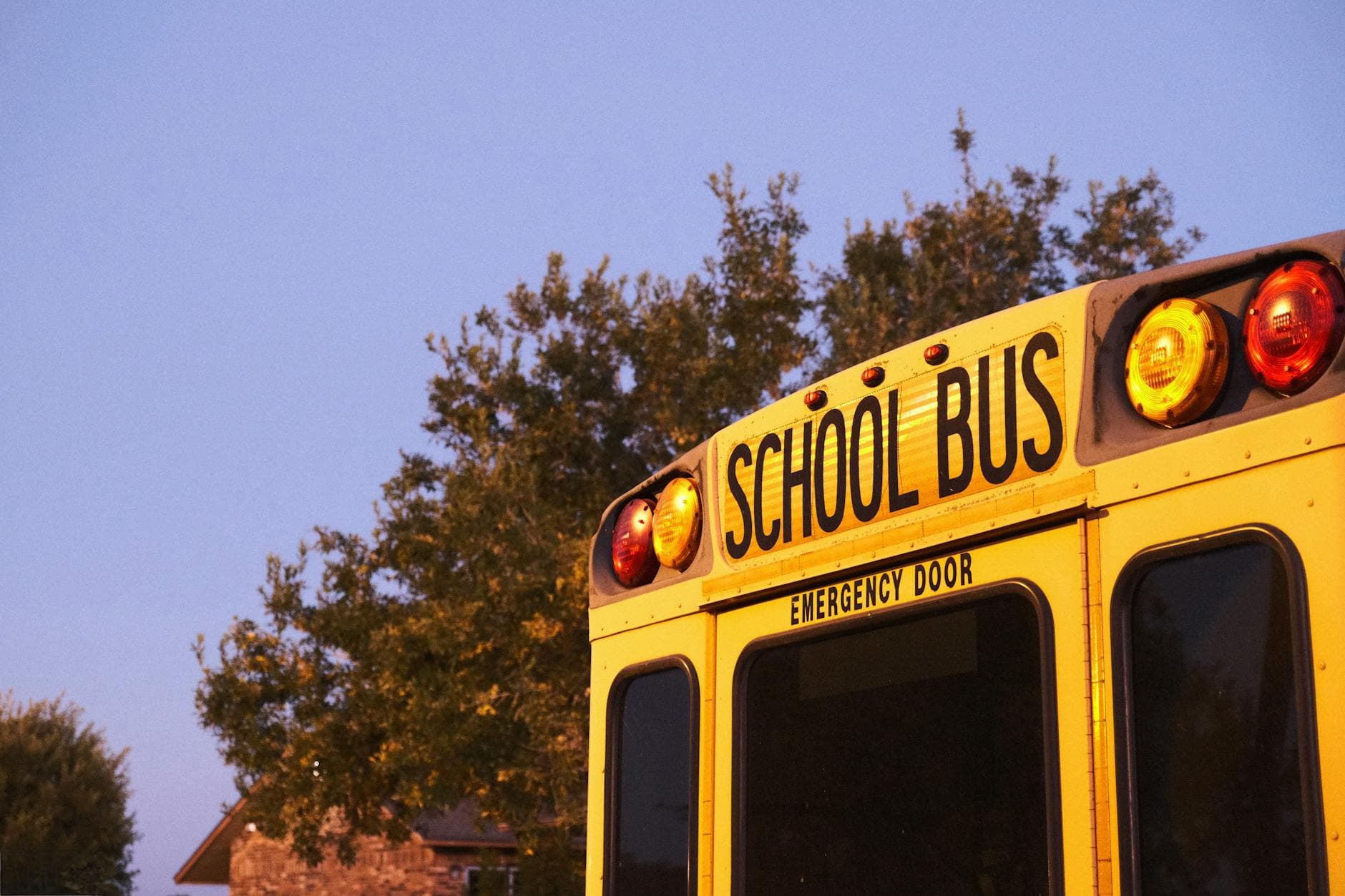
Five Hancock Middle School students turned a frightening ride into a split-second rescue when their bus driver lost consciousness on a four-lane highway after leaving school in Hancock County, Mississippi. The bus was carrying about 40 students on April 22, 2026, when driver Leah Taylor, 46, said she suffered an asthma attack, reached for her medication and blacked out before she could use it.
As the bus veered, Jackson Casnave grabbed the wheel. When the vehicle began to roll forward and gain speed, Darrius Clark hit the brakes. Kayleigh Clark called 911, and Destiny Cornelius gave Taylor her medication while another student helped keep classmates calm until first responders arrived. The quick actions kept the bus from crashing and gave emergency crews time to reach the scene.
Taylor later said the students saved her life, and she thanked them personally the next day when she was back behind the wheel picking them up again. That gratitude was echoed by Hancock Middle School Principal Dr. Melissa Saucier, who said the students care, lead and step up when it matters most without needing to be told.
The district recognized the students at a pep rally on Friday, April 24, and they were expected to get a lunch outing at a restaurant of their choice. Video released by the Hancock County School District showed the moment the children reacted on the bus, offering a rare glimpse of how fast a school transportation emergency can unfold and how much depends on the people inside the vehicle.
The episode also raises a harder question than whether the students were brave, because they clearly were: what training do bus drivers, schools and children receive for a medical crisis in transit? Taylor’s asthma attack became a rescue only because the students knew to grab the wheel, hit the brakes, call 911 and get medication to an adult in distress. That outcome reflects both courage and a system that, at least in this case, had just enough instinct and readiness to prevent a tragedy.
For school districts, the lesson is not limited to one Mississippi bus. Transportation plans must account for driver incapacitation, communication with dispatch, student behavior during emergencies and the possibility that children may be the only immediate responders. In a setting where dozens of young passengers depend on one adult, safety is measured not only by seat belts and road rules, but by whether everyone on board knows what to do when the driver cannot.
This article was produced by Prism’s automated news system from verified source data, official records, and press releases, then run through automated quality and moderation checks before publishing. The system is built and supervised by the people who set the standards it runs under. Read our full AI policy.
Did this article answer your question?