Mixtape turns high school nostalgia into a coming-of-age adventure
Mixtape turns one last high school night into a playable memory, using music and choice to make teenage emotion feel immediate.
The pull of teenage memory
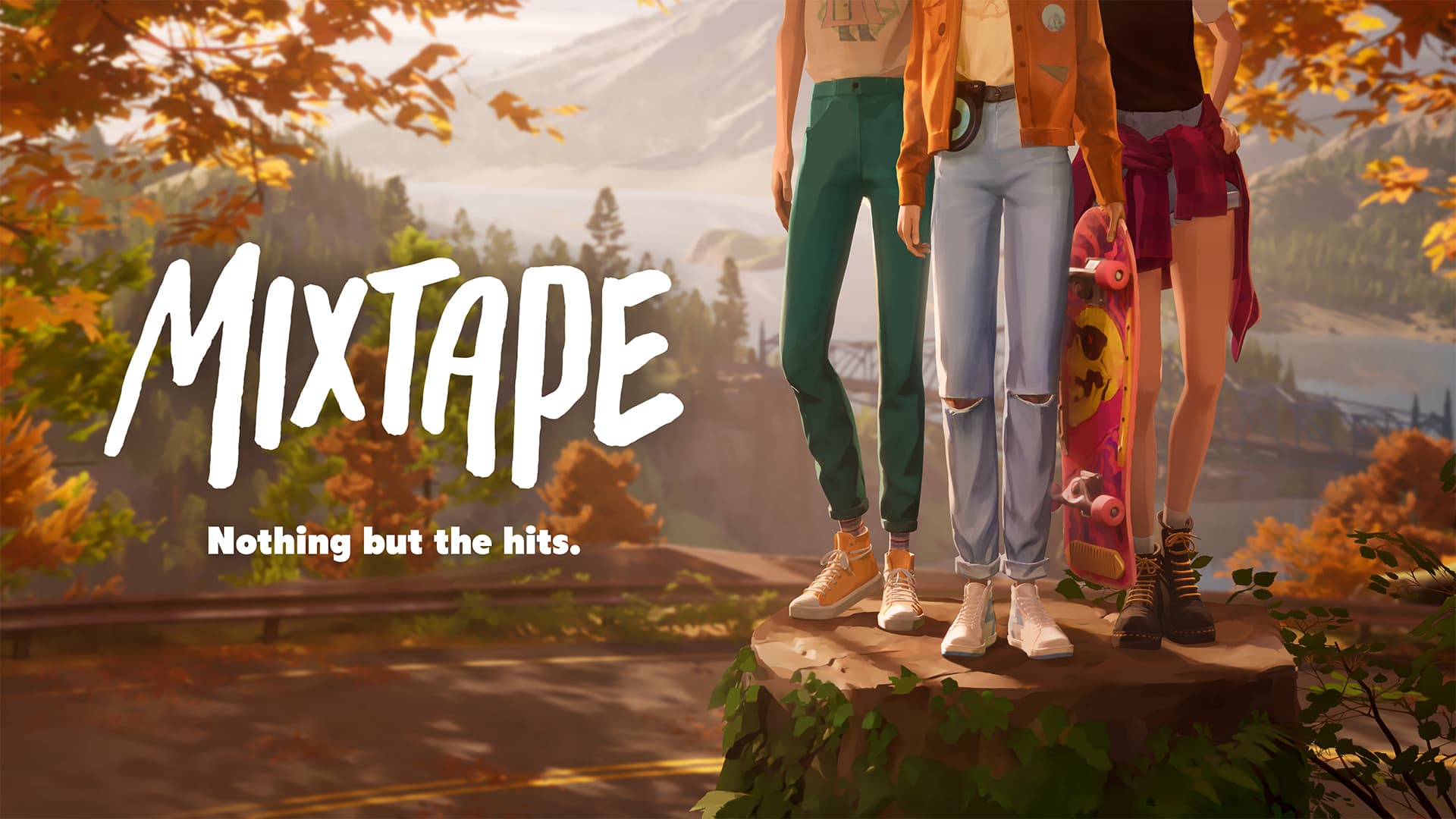
Mixtape plays like a video game version of a high school movie, but the emotional charge comes from making those familiar scenes interactive instead of observed from a distance. Developed by Beethoven & Dinosaur and published by Annapurna Interactive, it launched on May 7, 2026, across PlayStation 5, Xbox Series X|S, Nintendo Switch 2, and PC.
Its premise is simple and potent: on their last night of high school, three friends head out for one more adventure together before they reach a final party. That setup gives the game a built-in emotional clock, and it explains why nostalgia-driven coming-of-age stories keep finding new audiences in games as well as film and TV. The appeal is not just remembering adolescence, but reliving the pressure, music, embarrassment, and hope that make it feel larger than life.
Why nostalgia keeps landing
The game’s official description frames the experience as a mixtape of memories, with the action unfolding through dreamlike reenactments of formative moments and narrative vignettes about pivotal events. That structure gives Mixtape a clear link to the kinds of coming-of-age stories that have long worked on screen, especially ones built around a single night that seems to contain an entire life.
Review coverage has compared the game to a John Hughes-style coming-of-age movie, and that comparison is telling. John Hughes films are remembered not just for their plots, but for how they turn awkward social hierarchies, friendship, and first identity crises into defining moments. Mixtape uses the same emotional register, then adds interactivity to let those memories breathe, bend, and reassert themselves as the player moves through them.
The result has also been described as a tribute to the “best years of your life,” which captures the bittersweet logic at the heart of the project. Teen years are often remembered as a blur of intensity, but stories like this succeed because they make that blur feel legible again.
Music as identity, not just decoration
Music is not window dressing in Mixtape. It is the organizing language of the story, the thing that gives shape to memory and meaning to the friendships at the center of the game. Annapurna’s description makes that clear by tying the story to a generation-spanning soundtrack and to a curated playlist that pulls the characters into their own past.
That emphasis matches developer commentary in interviews, where adolescence is described as a period when people define themselves by the bands they like. In one interview, that idea was put especially bluntly: “Everything feels so big and so real.” The line captures why music matters so much in stories about growing up. A favorite band can feel like a social identity, a private code, and a declaration of who belongs and who does not.
Johnny Galvatron and Woody Woodward have helped frame the game around that emotional logic, where every song carries more than melody. It carries status, memory, and the possibility of becoming someone else. In that sense, Mixtape is not just about a playlist. It is about the way a playlist can sort a whole adolescence into moments that seem impossible to forget.
How the game turns memory into play
What makes Mixtape stand out is the way it uses the tools of games to turn recollection into motion. The three friends are not simply remembering what happened years later. They are moving through a present-day adventure that is repeatedly interrupted, redirected, and deepened by those dreamlike recreations of the past.
That matters because passive media can show adolescence, but it cannot make the audience participate in its instability in quite the same way. A film can cut to a flashback; a game can make the journey through memory feel like the journey itself. Here, the final party is the destination, but the emotional point is the route, where each vignette and each musical cue reshapes what the night means.
The setup also gives the story a built-in tension between the ordinary and the mythic. The characters worry about looking cool at a big party, they chase the usual high-school concerns, and they act like teenagers who think every decision could define them. Underneath that familiar surface is a coming-of-age adventure that treats those anxieties with real weight, as if the smallest embarrassment could echo for years.

What the reception says about the formula
Early response has emphasized how effectively the game captures that mix of humor, sadness, and emotional overstimulation. Simon Cardy’s IGN India review, written on PlayStation 5, described Mixtape as “A musical delight from start to finish” and said it “sets a new standard for coming-of-age stories in video games.” That praise points to a broader shift in how these stories are landing across media: the audience no longer wants nostalgia alone, but a form that can make nostalgia feel alive.
The fact that Beethoven & Dinosaur spent about two years working on the game also helps explain its confidence. The tone feels carefully tuned rather than merely remembered, and the multi-platform release on PS5, Xbox Series X|S, Switch 2, and PC suggests a wide audience for this kind of emotionally specific storytelling. High school, after all, is one of the few subjects that can still feel universal without becoming generic.
Mixtape succeeds because it understands that coming-of-age stories are not really about the past. They are about the moment when music, friendship, fear, and identity all seem fused together, and when a single night can feel like the last chance to become yourself.
This article was produced by Prism’s automated news system from verified source data, official records, and press releases, then run through automated quality and moderation checks before publishing. The system is built and supervised by the people who set the standards it runs under. Read our full AI policy.
Did this article answer your question?