MLS aims to turn 2026 World Cup into lasting growth engine
MLS is betting the 2026 World Cup will lift attendance, valuations and fan loyalty, but the real test is whether gains last after July 19.
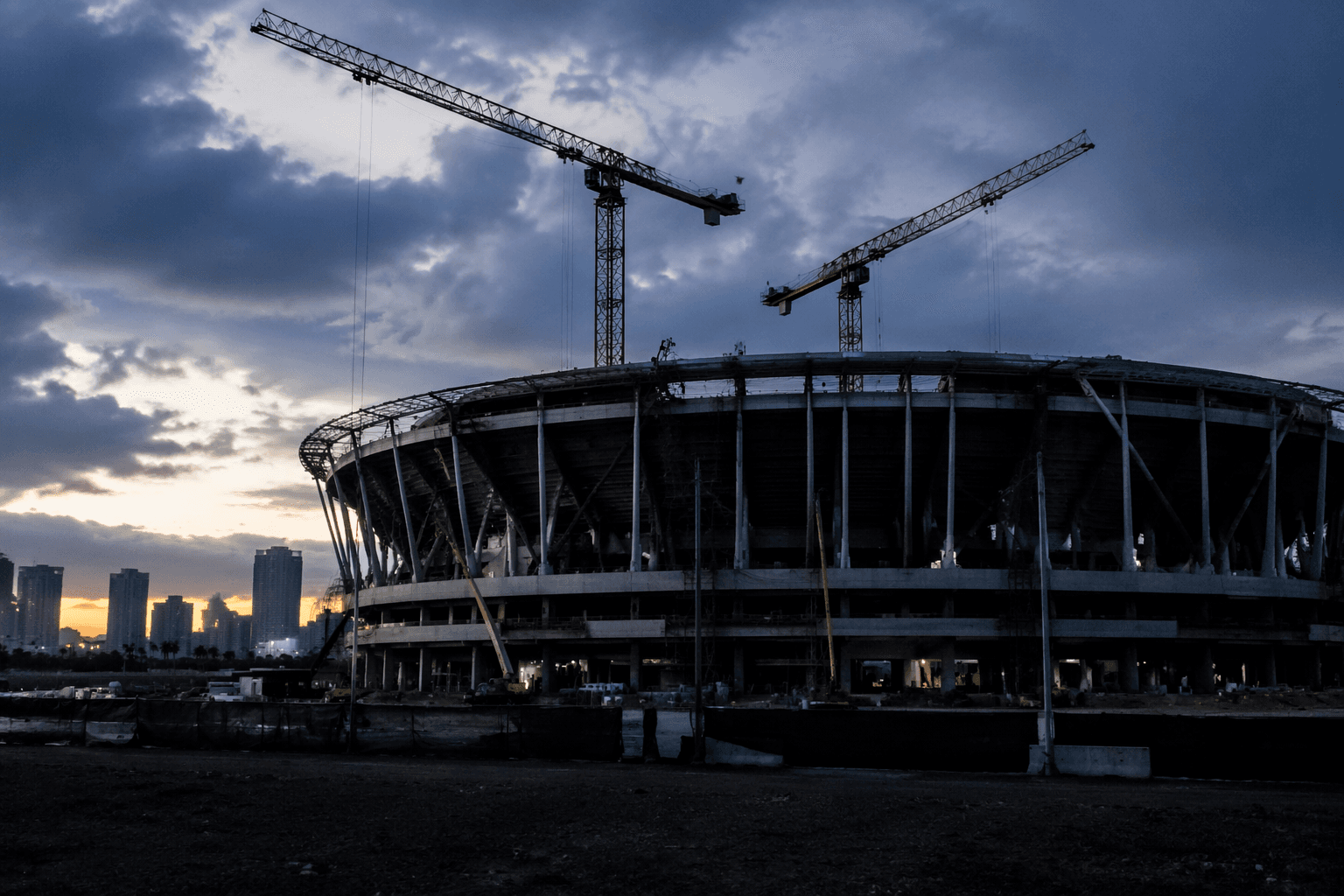
Major League Soccer is treating the 2026 World Cup as more than a summer showcase. The league wants the first 48-team tournament, spread across 16 host cities in the United States, Mexico and Canada, to convert global attention into durable growth in fans, relevance and revenue.
That is the standard MLS is setting for itself: not a temporary surge, but measurable change. Don Garber has framed the tournament as a launchpad for a new era, and the league is looking for proof in the numbers that matter most. Attendance would need to keep climbing after the final on July 19. Youth participation would need to translate into future ticket buyers, academy players and local supporters. Sponsorships and media rights would need to hold their value beyond the tournament glow. And clubs would need to show stronger business performance in markets from Los Angeles to New York New Jersey and Washington, D.C.
MLS has reason to believe it can capitalize. The league was born after the United States hosted the 1994 World Cup, began play in 1996 and is now in its 31st season. It says a record 44 MLS players will compete at the 2026 World Cup, giving domestic clubs a visible presence on the sport’s biggest stage. MLS also says that since the 2018 World Cup hosting award, it has added seven teams, opened nine soccer-specific stadiums and increased attendance by 35%.
The commercial picture is equally central. MLS says club valuations have tripled since 2018 to about $23 billion collectively, a striking marker of how far the league has come. In 2022, MLS and Apple announced a 10-year media partnership that made Apple TV the exclusive home for live MLS matches starting in 2023, giving the league a global distribution platform just as soccer interest peaks in North America. MLS also planned a World Cup break in 2026 so teams would not be stripped of key players during the tournament.
The accountability question is whether the 2026 event produces lasting fan growth or merely a short-lived spike. MLS has spent years building toward this moment, including an estimated $11 billion in soccer-specific stadiums and training facilities over 30 years. If the World Cup truly becomes the growth engine MLS wants, the evidence will show up long after the final whistle in fuller stadiums, stronger local clubs and a broader base of supporters who stay engaged when the cameras move on.
This article was produced by Prism’s automated news system from verified source data, official records, and press releases, then run through automated quality and moderation checks before publishing. The system is built and supervised by the people who set the standards it runs under. Read our full AI policy.
Know something we missed? Have a correction or additional information?
Submit a Tip