Moderate severe-weather risk targets Kansas City, Wichita, tornadoes and giant hail
Kansas City and Wichita faced the day’s most dangerous hail and tornado window Friday before storms congealed into 60 to 90 mph winds.
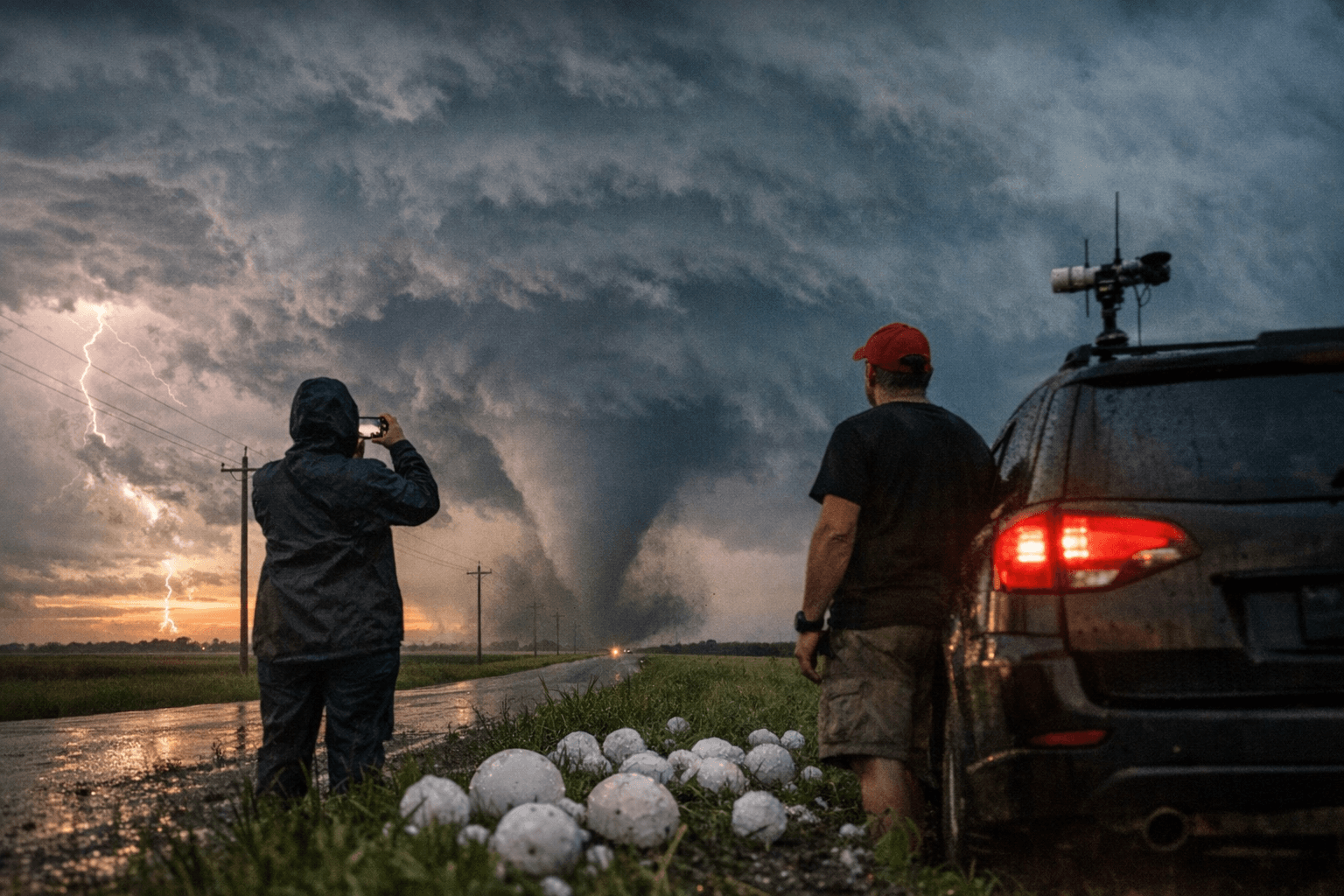
The most dangerous window in Kansas City, Wichita and Topeka opened Friday afternoon, when discrete supercells were expected to fire first with large to giant hail and a few strong tornadoes before the storms merged into a widespread wind threat. The National Weather Service’s Storm Prediction Center placed far northwest Oklahoma, central and eastern Kansas and west-central Missouri under a level 4 of 5 moderate risk, signaling a setup in which conditions could turn severe fast and warnings could stack up through the evening.
Forecasters said the early hours carried the sharpest tornado and hail danger, especially before storms formed a solid line. That matters because discrete supercells can hit hard before they cluster together, which raises the risk of warning fatigue when one round of sirens follows another. By evening, the main threat was expected to shift to destructive straight-line winds of 60 to 90 mph, strong enough to topple trees, tear roofs and turn loose debris into projectiles. Kansas forecasters also issued tornado watches Friday afternoon for parts of the state, including the Wichita area, with one watch running until 9 p.m.
More than 35 million Americans from Wisconsin to Oklahoma were under some level of severe-weather risk Friday, while another assessment put 38 million people between North Texas and Michigan in the danger zone. The broad footprint underscored how far the storm corridor stretched, even as the most acute threat focused on the central Plains and the lower Missouri Valley. Kansas City, Wichita and Topeka sat near the center of that corridor, where hail larger than baseballs and very strong tornadoes were part of the forecast.
The threat arrived after several days of severe storms earlier in the week that already delivered tornadoes, damaging winds, large hail and flooding across parts of the central U.S. That repeated impact raises the stakes for communities that may already be dealing with damaged roofs, downed trees and power outages. In homes, the safest move is an interior room on the lowest floor, away from windows. In cars, people should not try to outrun a tornado; they should get to a sturdy shelter. In schools and workplaces, the fastest route is to the preassigned shelter area, not a hallway window or a vehicle.
April is one of the most active severe-weather months in the United States, and NOAA’s April 2024 climate report recorded a late-month outbreak that produced 183 tornadoes across the Midwest and Great Plains. Friday’s setup carried the same kind of escalation risk: a volatile afternoon, a violent evening, and very little margin for delay once warnings were issued.
This article was produced by Prism’s automated news system from verified source data, official records, and press releases, then run through automated quality and moderation checks before publishing. The system is built and supervised by the people who set the standards it runs under. Read our full AI policy.
Did this article answer your question?

