Modi orders panel to overhaul India’s exam system after protests
Modi ordered a panel to overhaul India’s exam system as leaks and misconduct claims pushed NEET-UG and UGC-NET protests into parliament and the streets.
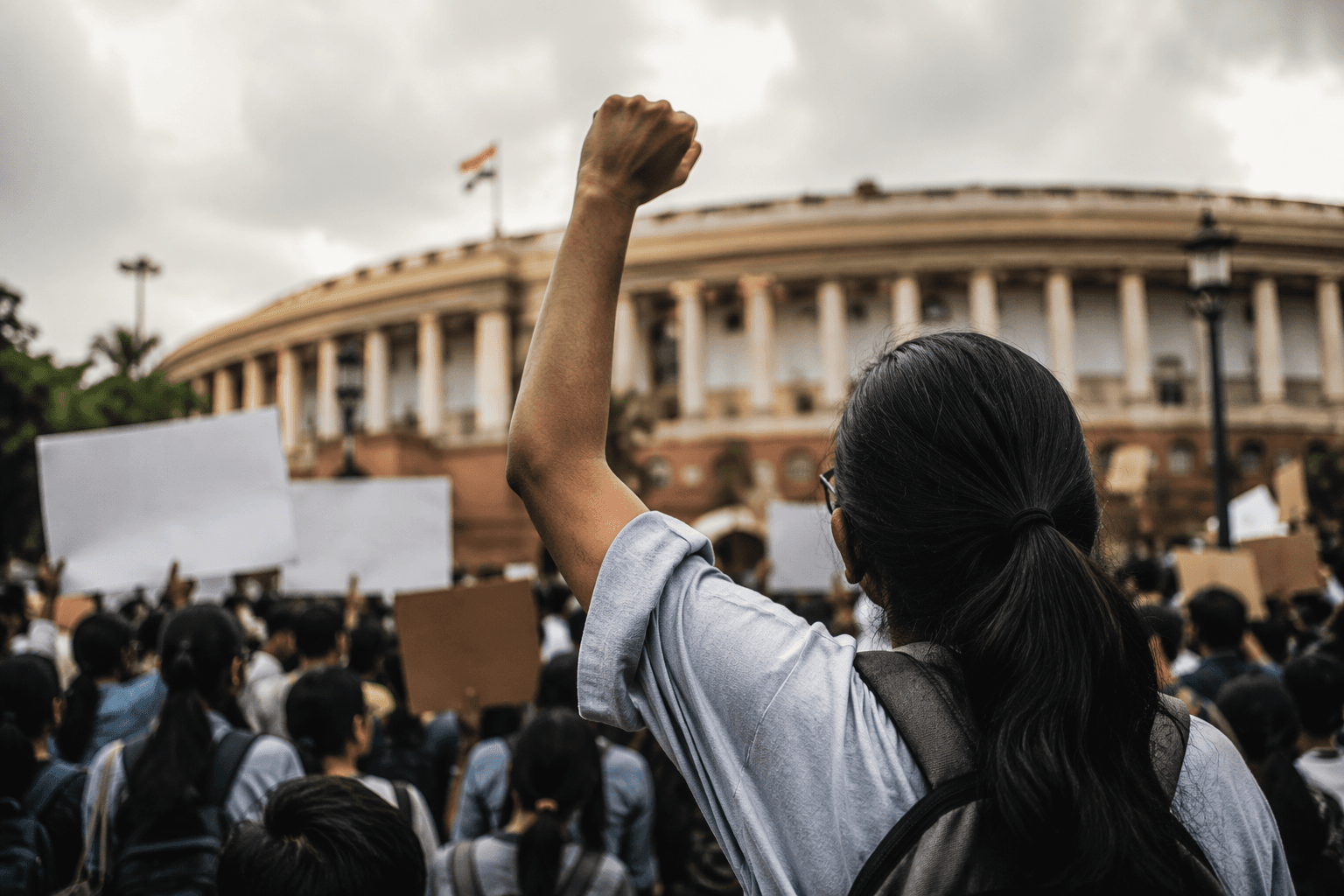
Narendra Modi ordered a panel to examine and overhaul India’s exam system after student protests over leaks and misconduct allegations turned the country’s test pipeline into a political crisis. The move came as anger over the National Eligibility Entrance Test, or NEET-UG, and the University Grants Commission National Eligibility Test, or UGC-NET, spread beyond campuses and into Parliament.
The protests exposed how much rides on competitive exams in India, where a single test can shape admission to medical school, entry to universities and access to government jobs. Students, parents and opposition politicians have argued that repeated irregularities have eroded confidence in a system many families spend years and significant money preparing for, only to face allegations of paper leaks, administrative lapses and fraud. Reuters reported in June 2024 that Modi was already being criticized over exam irregularities at a time of deep concern over jobs, and the latest unrest pushed that frustration into open national politics.
The issue reached Parliament as opposition lawmakers disrupted proceedings to back the student protesters. Reuters-linked coverage described the demonstrations as nationwide and tied them to a satirical youth movement known as the Cockroach Janta Party, a sign of how the scandal resonated among young voters who see the exams as a gateway to mobility rather than a routine bureaucratic hurdle. Protests also reached Kolkata, where demonstrators showed solidarity with the anti-NEET agitation.
The government had already tried to show it was moving. In July 2024, the Ministry of Education constituted a high-level committee of experts to look at exam reforms and seek stakeholder inputs, with suggestions invited from students, parents and others until July 7. Even so, the latest panel suggests the earlier response did not restore confidence, especially after the NEET-UG and UGC-NET controversies kept feeding suspicion that security systems around the exams remained vulnerable.
Dharmendra Pradhan, the education minister, has been among the officials under pressure as the protests grew. Reuters and AFP described the student movement as one of the biggest challenges to Modi in his third term, and the new panel now sits at the center of the government’s attempt to answer a larger question: whether India’s exam system can be fixed well enough to recover the trust that meritocracy depends on.
This article was produced by Prism’s automated news system from verified source data, official records, and press releases, then run through automated quality and moderation checks before publishing. The system is built and supervised by the people who set the standards it runs under. Read our full AI policy.
Did this article answer your question?