Modi pitches India-Australia energy and infrastructure ties in Melbourne
AustralianSuper pledged A$500 million to India’s infrastructure fund as Modi pressed Melbourne for uranium, critical minerals and a bigger energy role.
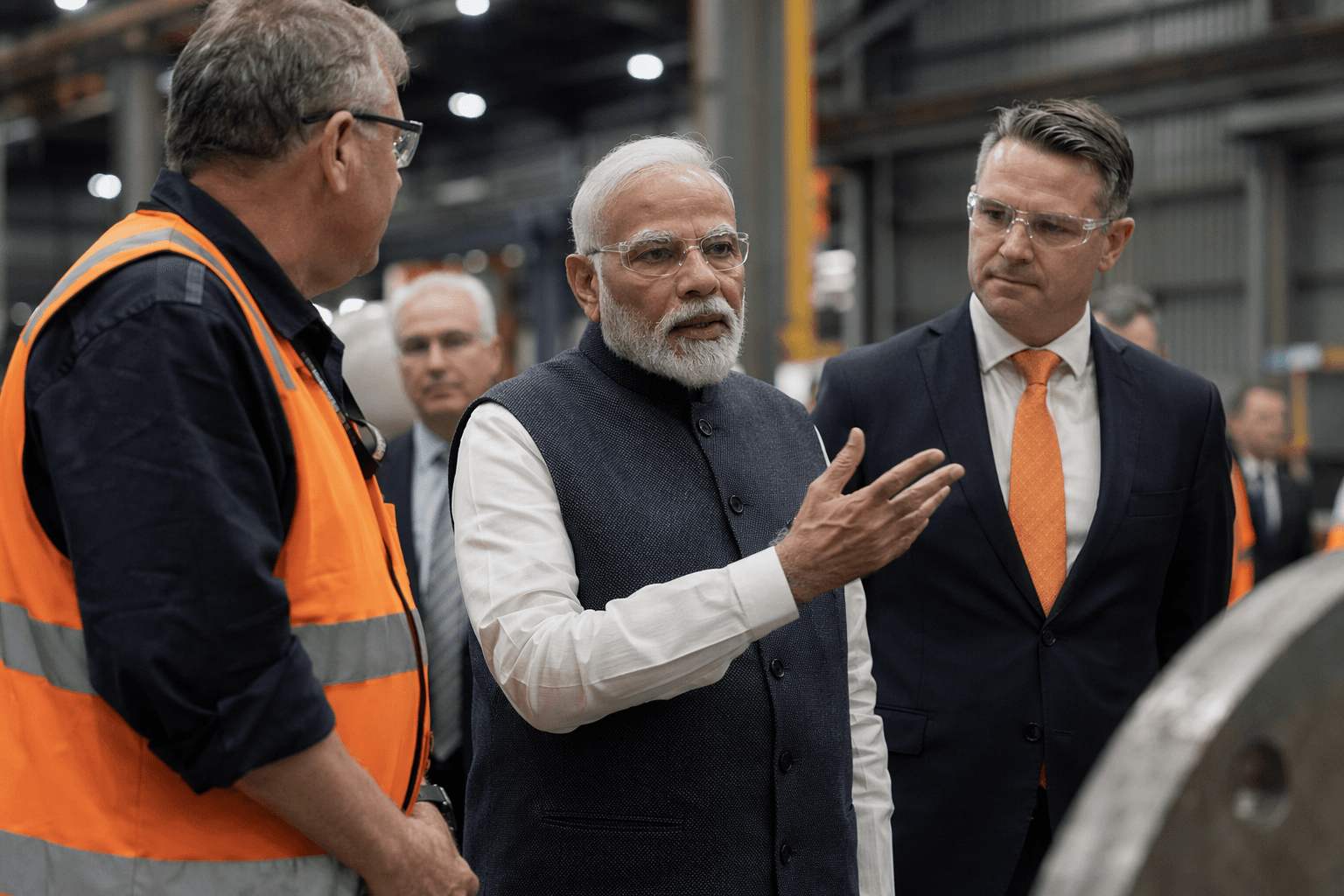
AustralianSuper said it would add A$500 million, about $347 million, to India’s National Investment and Infrastructure Fund as Narendra Modi used a Melbourne business event to push for deeper ties in uranium, critical minerals and infrastructure finance. The pledge gave immediate weight to Modi’s pitch that India and Australia can move from warm diplomacy to capital, fuel and project flows that shape the next phase of Asia’s energy transition.
Modi told business leaders that the two countries had historic opportunities to cooperate in nuclear and renewable energy, critical minerals and green hydrogen. He argued that Australia’s technology, capital and resources could help India scale its energy transition and support low-carbon aluminum projects, while urging Australian companies to back India’s roads, ports, rail lines and urban infrastructure for the long term. He cast India as a safe, stable and sustainable destination for foreign capital.
The strategic stakes go well beyond a single investment. India is targeting 100 gigawatts of nuclear capacity by 2047, and both governments have already agreed to a deal allowing Australian uranium exports to India for civilian nuclear use. Australia’s uranium export policy limits sales to peaceful, non-explosive purposes under bilateral nuclear cooperation agreements with International Atomic Energy Agency safeguards, and the IAEA says India’s safeguards are item-specific and apply to civilian facilities and material. Those rules will determine how far the uranium relationship can move from principle to trade.
The visit also pointed to a broader industrial agenda. India and Australia announced cooperation spanning civil nuclear energy, maritime security, defence, cyber cooperation, critical technologies and supply chains, alongside work on a Critical Minerals Corridor. That corridor is central to both countries’ competition with China, India’s largest trade rival in the materials needed for batteries, renewable power systems, electronics and defence manufacturing, and Australia’s largest trading partner. Australia is also trying to widen its economic exposure beyond China, making India an increasingly important market and partner.
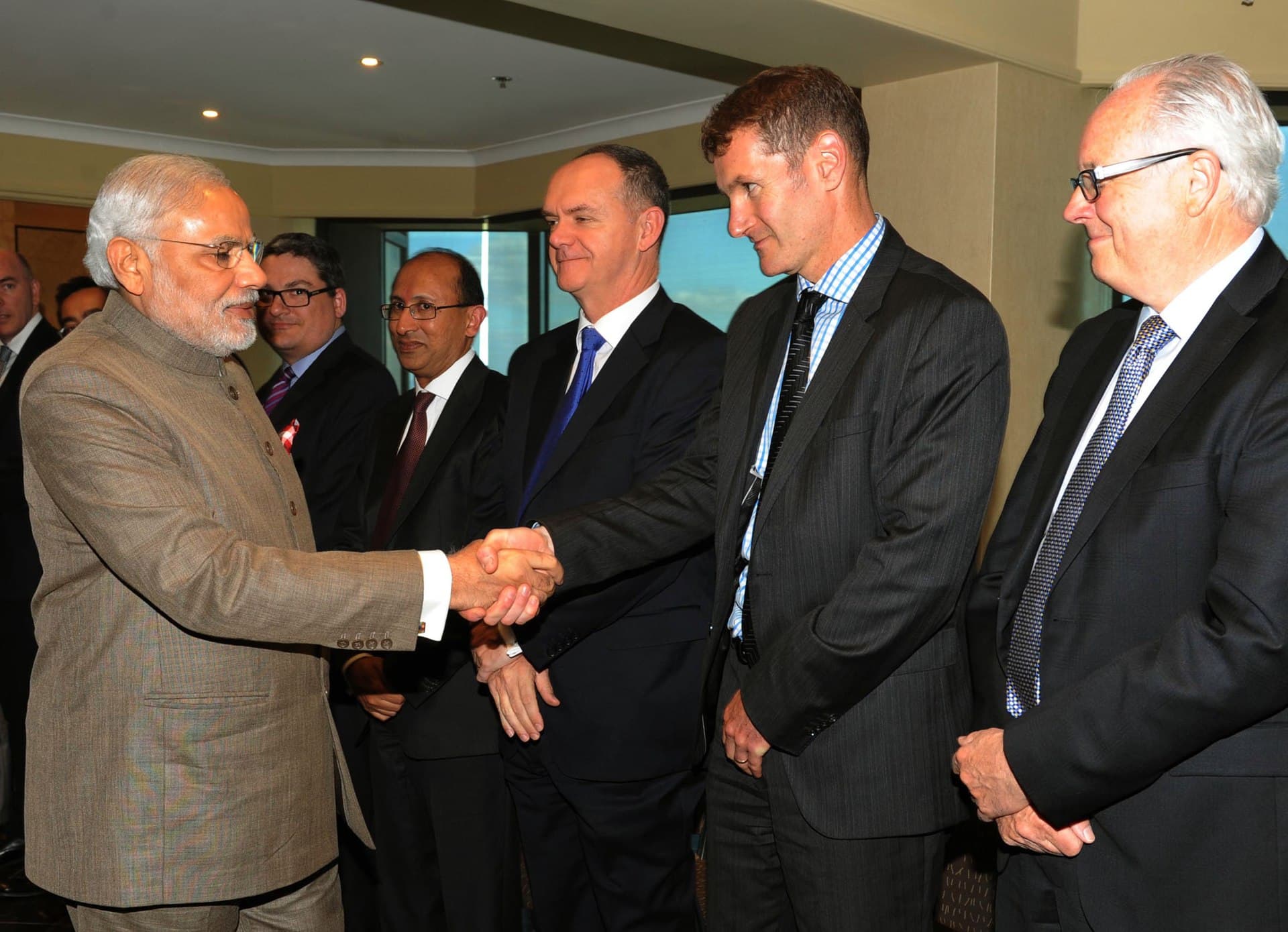
Anthony Albanese called Modi a “living bridge” between the two countries, a nod to the roughly 1 million people in Australia who claim Indian ancestry and the business links that now shape policy as much as diplomacy. The two leaders were due to hold formal talks later in Melbourne, where security had been tightened after protest reports. Modi was also scheduled to address thousands of expatriate Indians at Marvel Stadium, underscoring how diaspora politics, capital and supply-chain strategy are now converging in the India-Australia relationship.
This article was produced by Prism’s automated news system from verified source data, official records, and press releases, then run through automated quality and moderation checks before publishing. The system is built and supervised by the people who set the standards it runs under. Read our full AI policy.
Did this article answer your question?