Modi Vows UCC and Bengali Majority Protection at West Bengal Rally
Modi pledged a Uniform Civil Code for West Bengal at a Jangipur rally in a 66% Muslim district, weeks before the state's high-stakes two-phase assembly vote.
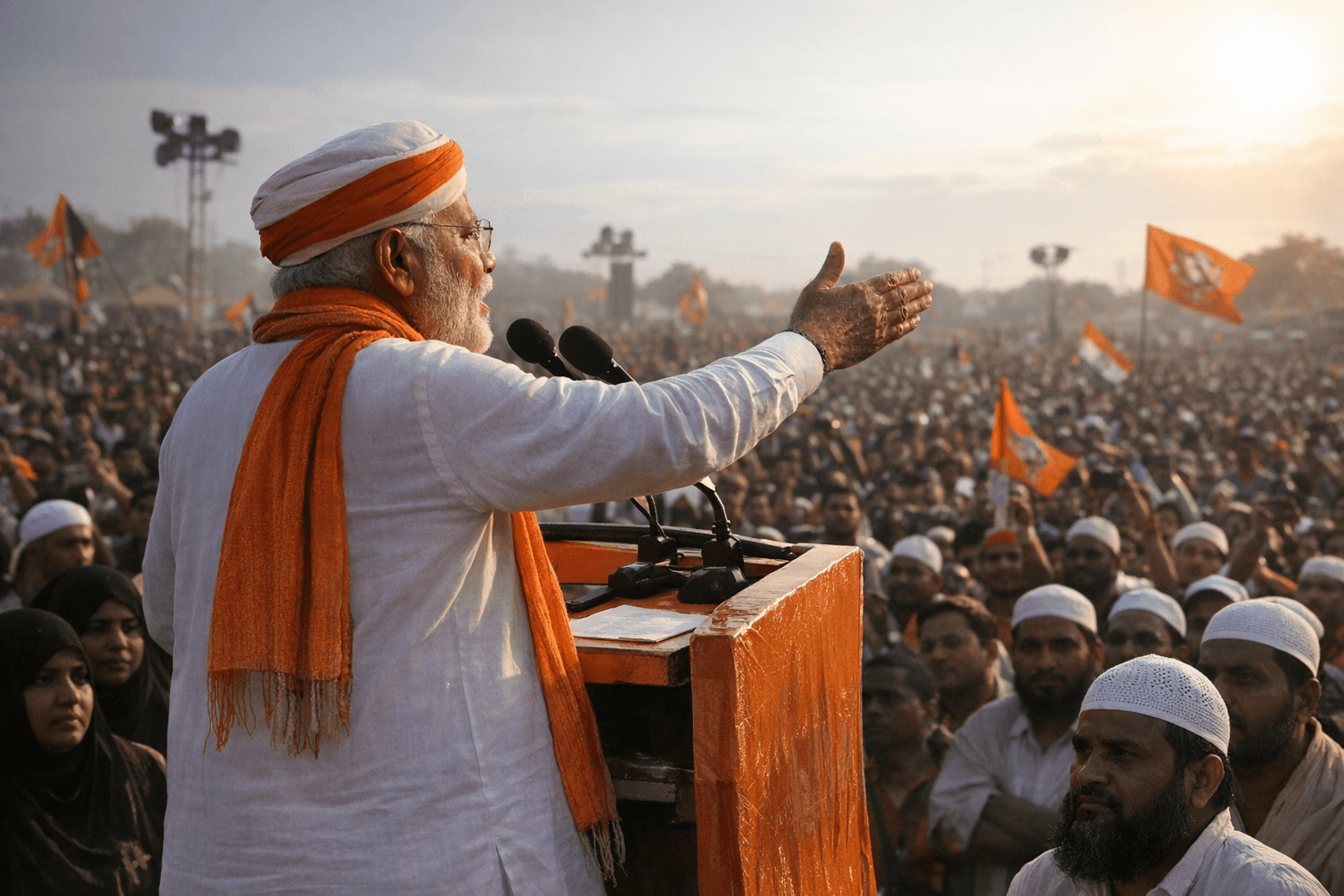
Standing in a district where roughly two of every three residents are Muslim, Prime Minister Narendra Modi used a Bharatiya Janata Party rally in Jangipur, Murshidabad on April 11 to promise a Uniform Civil Code for West Bengal and to vow his party "will prevent Bengalis from becoming a 'minority.'" The remarks arrive with the campaign entering its final stretch before the April 23 first phase of polling.
West Bengal's assembly elections unfold in two phases, on April 23 and April 29, with results expected on May 4. The Election Commission of India confirmed the schedule on March 15. More than 70.4 million voters are registered, split between approximately 36 million male and 34.4 million female electors, across all 294 constituencies.
A Uniform Civil Code would replace religion-based personal laws with a single secular framework governing marriage, divorce, and inheritance for all citizens regardless of faith. The constitutional mandate for such a code sits in Article 44, which directs the state to endeavor to secure it. As of 2026, Uttarakhand stands as the sole state to have done so: its UCC Act passed on February 7, 2024, received Presidential assent from Droupadi Murmu on March 13, 2024, and came into force on January 27, 2025, under Chief Minister Pushkar Singh Dhami.
The implications in West Bengal are considerably weightier. Approximately 27% of West Bengal's population is Muslim per the 2011 Census, one of the highest shares of any major Indian state, and in Murshidabad that figure reaches roughly 66%. A UCC would displace Sharia-derived personal law governing Muslim marriages, divorce procedures, and inheritance distributions, bringing them under a uniform civil statute. Modi's choice of Jangipur as the venue to make that pledge was not incidental.
Modi framed the BJP's election manifesto, released April 10, as a roadmap to end what he called "maha jungleraj," a barbed critique of Chief Minister Mamata Banerjee's Trinamool Congress government. The BJP has consciously layered its Hindutva platform with Bengali cultural outreach, invoking poet Rabindranath Tagore and other regional icons while countering the TMC's charge that the party is anti-Bengali, pairing those gestures with promises of heritage preservation projects and language promotion drives.
The 2021 assembly elections remain the benchmark. The TMC won 213 of 294 seats; the BJP surged from just 3 seats in 2016 to 77, but remained far short of a majority. A 2026 breakthrough would normalize UCC implementation at the state level, building on the Uttarakhand precedent and amplifying pressure on both Parliament and the Supreme Court regarding its national applicability.
Adding to the friction, the ECI's Special Intensive Revision of voter rolls deleted approximately 9.1 million names from West Bengal's electoral registers ahead of this election. The BJP defended the exercise as necessary to remove bogus entries; opposition parties, including the TMC, condemned it as targeted disenfranchisement. Those disputed deletions, combined with Modi's UCC pledge and his vow on Bengali identity, ensure that questions of who counts and who is protected will define the final weeks of this campaign.
This article was produced by Prism’s automated news system from verified source data, official records, and press releases, then run through automated quality and moderation checks before publishing. The system is built and supervised by the people who set the standards it runs under. Read our full AI policy.
Did this article answer your question?

