Molly Russell’s father questions timing of child social media rules
Ian Russell said a rushed child social media crackdown would be “deplorable” if politics, not evidence, set the pace after Molly Russell’s death.
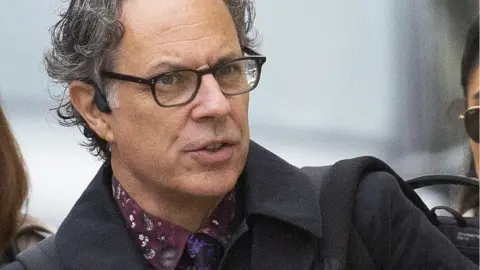
Ian Russell has raised fresh doubts over the timing of Britain’s child social media crackdown, warning that any rushed announcement driven by politics rather than evidence would be “deplorable.” The father of Molly Russell has spent years pushing for tougher online protections since Molly died in November 2017, aged 14, after viewing material about self-harm and suicide on social media.
Molly’s death remains one of the most powerful reference points in the UK’s online safety debate. An inquest in 2022 concluded that social media content contributed “more than minimally” to her death, a finding that has continued to shape demands from bereaved families, campaigners and child protection advocates for faster action from ministers and regulators.
The government has already moved into another phase of that debate. It launched Growing up in the online world: a national consultation on 2 March 2026 and published response totals on 4 June 2026. The exercise asked whether Britain should set a minimum age for children to access social media, and also examined age assurance, AI chatbots, gaming and safer-by-design measures. Officials said the consultation drew more than 80,000 responses.
At the same time, Ofcom has begun putting the Online Safety Act into practice. In May 2026, the regulator said it had laid down more than 40 practical measures for tech firms to meet their duties under the 2023 law, including steps aimed at stopping minors from encountering the most harmful material online, such as suicide, self-harm, eating disorders and pornography. The act gives Ofcom powers to regulate major online services, and the watchdog is required to publish its first statutory report on content harmful to children by 26 October 2026.
That timetable has sharpened the argument over what ministers should do next. Bereaved families have pressed for quicker action, while some child-safety advocates say a blanket ban on social media is not the answer. They argue that the harder work lies in enforcing existing rules, redesigning algorithms and building stronger age checks so children are not pushed toward dangerous material in the first place.
The government says it will announce any next steps after the consultation and insists the process is about protecting children, not politics. For Russell and many other families, the test is whether ministers turn that promise into enforceable safeguards before another generation grows up exposed to the same risks.
This article was produced by Prism’s automated news system from verified source data, official records, and press releases, then run through automated quality and moderation checks before publishing. The system is built and supervised by the people who set the standards it runs under. Read our full AI policy.
Know something we missed? Have a correction or additional information?
Submit a Tip