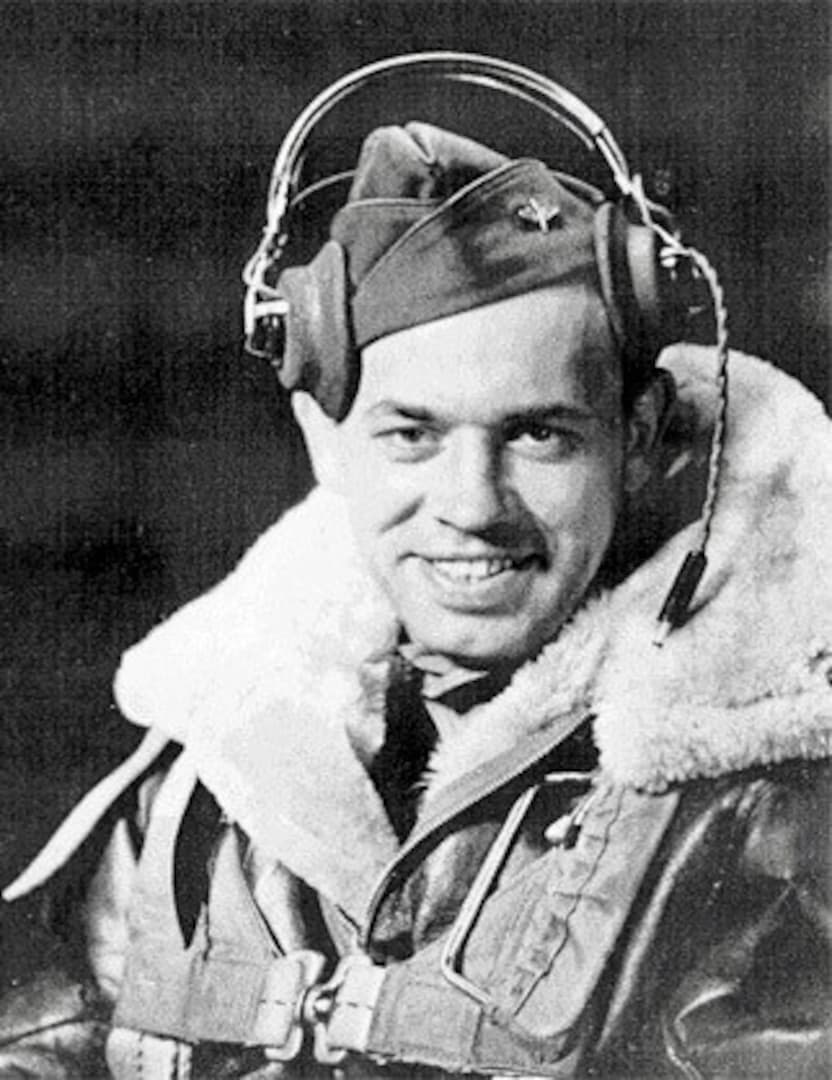
Molly Sinclair McCartney, trailblazing Texas reporter and Washington Post veteran, dies at 84
Molly Sinclair McCartney built a career in Texas and Washington when newsroom doors were still closing to many women. She died at 84 after reporting from rodeos to Myanmar, and never lost her appetite for the road.
Molly Sinclair McCartney helped open American newsrooms to a generation of women who had to fight for a place inside them, building a reporting career that stretched from a Texas refinery town to The Washington Post and beyond. She died April 16 at her home in Mont Belvieu, near Baytown, Texas. She was 84 and had cancer, her stepson, Robert McCartney, said.
Raised in the Baytown area, McCartney entered journalism in the early 1960s and spent more than 25 years as a newspaper reporter. Her early years at the Houston Post, where she worked from 1962 to 1968, placed her in a profession that still kept many women on the margins. She later reported for the Atlanta Constitution and the Miami Herald before spending 14 years at The Washington Post.
At The Post, Thomas W. Lippman remembered her as a serious, generous, versatile journalist who helped create the paper’s consumer affairs beat. McCartney covered supermarkets and auto dealerships, reporting on the daily expenses and frustrations that shaped ordinary readers’ lives. That kind of beat demanded persistence and range, and McCartney brought both in abundance.
Her reporting often moved well beyond the city desk. She covered the Houston rodeo, interviewed feminist leaders Gloria Steinem and Betty Friedan, and traveled widely for assignments. In one of her most memorable journeys, she rode in a hot-air balloon to see hundreds of ancient Buddhist temples in Myanmar, then known as Burma. Even in retirement, she kept moving, celebrating her 80th birthday by trekking through Utah.
McCartney’s work reflected both the changing newsroom landscape and the wider cultural shifts of the 1960s. She was described as an advocate for the little guy and a pioneer for the women’s liberation movement, a reporter whose career tracked the widening of opportunity for women in American journalism.
She and her husband, James H. McCartney, a Washington reporter who died in 2011 after a long career focused on foreign affairs and defense policy, also worked together on America’s War Machine, a book about the military-industrial complex. Robert McCartney confirmed her death and cause. McCartney left behind a body of work that moved from local beats to global terrain, and a professional path that helped make room for the women who followed.
This article was produced by Prism’s automated news system from verified source data, official records, and press releases, then run through automated quality and moderation checks before publishing. The system is built and supervised by the people who set the standards it runs under. Read our full AI policy.
Did this article answer your question?