Mom-and-pop car dealerships face consolidation as mega-retailers grow
A Main Street Chevy store in Peckville changed hands as dealer groups swallowed a larger share of U.S. car sales. The stakes now reach pricing, service, financing and the survival of local rooftops.
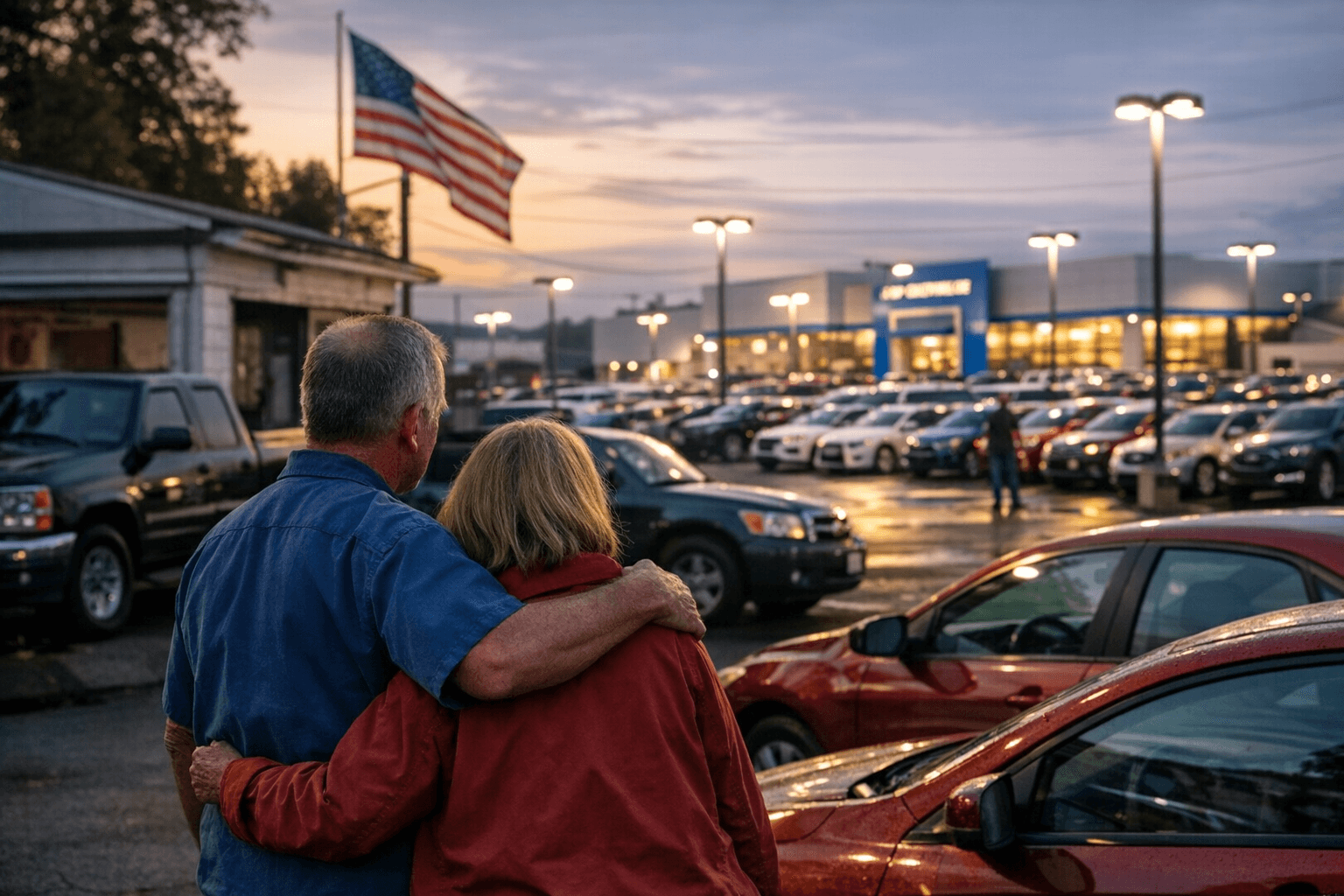
When a family-run Chevrolet store on Main Street in Peckville, Pennsylvania, changed hands, it underscored how much of U.S. auto retail now depends on scale. Bigger dealer groups can spread costs across more rooftops, more service bays and more financing relationships, while smaller operators face a market where price competition, technology spending and factory demands keep rising.
Derek Sylvester’s father built Sylvester Chevrolet in 1972 with his bare hands, turning the store into a fixture outside Scranton. Late last month, Sylvester and his family sold the dealership to a New York-based dealer group. Sylvester, 67, said the decision came after years of watching the economics change. “Unless you're a larger store, a much larger store, it's a little bit harder to make money. ... It's just scale,” he said. Several family members plan to stay on at the dealership, but the family no longer felt positioned to run it through an industry being reshaped by electric vehicles, artificial intelligence and heavier demands from automakers.
The numbers show how far the market has tilted toward the biggest players. The National Automobile Dealers Association said the U.S. had 16,990 franchised light-vehicle dealers in 2025, and those stores sold 16.2 million light-duty vehicles, generated more than $1.3 trillion in dealership sales and wrote more than 276 million repair orders. Service and parts sales alone exceeded $164 billion. In the first half of 2025, the industry had 16,972 franchised dealers, 8.1 million light-duty vehicle sales and more than 137 million repair orders, showing how much of the business still depends on local service traffic.
At the top end, concentration kept rising. Automotive News said the top 150 dealership groups sold 27% of all retail and fleet new vehicles in 2025, up from 24.3% in 2021 and 21.2% in 2015. Those groups owned roughly a quarter of all U.S. dealerships, up from less than 20% about a decade earlier. The top 10 groups alone owned 1,914 stores, or 10.5% of franchised dealerships. Publicly traded giants such as Lithia Motors and AutoNation now have market values above $6 billion each, a sign that Wall Street sees scale as the winning formula.
The buy-sell market has been just as hot. Kerrigan Advisors said 2025 set a record with 458 transactions representing 688 franchises sold, up 5% from 2024. Carvana has also moved into franchise retail, buying multiple Stellantis dealerships in states including Arizona, Texas, California and Georgia, blending online reach with physical storefronts. For towns built around single-family dealerships, the question is no longer whether consolidation is coming. It is how many Main Street stores can survive it.
This article was produced by Prism’s automated news system from verified source data, official records, and press releases, then run through automated quality and moderation checks before publishing. The system is built and supervised by the people who set the standards it runs under. Read our full AI policy.
Did this article answer your question?