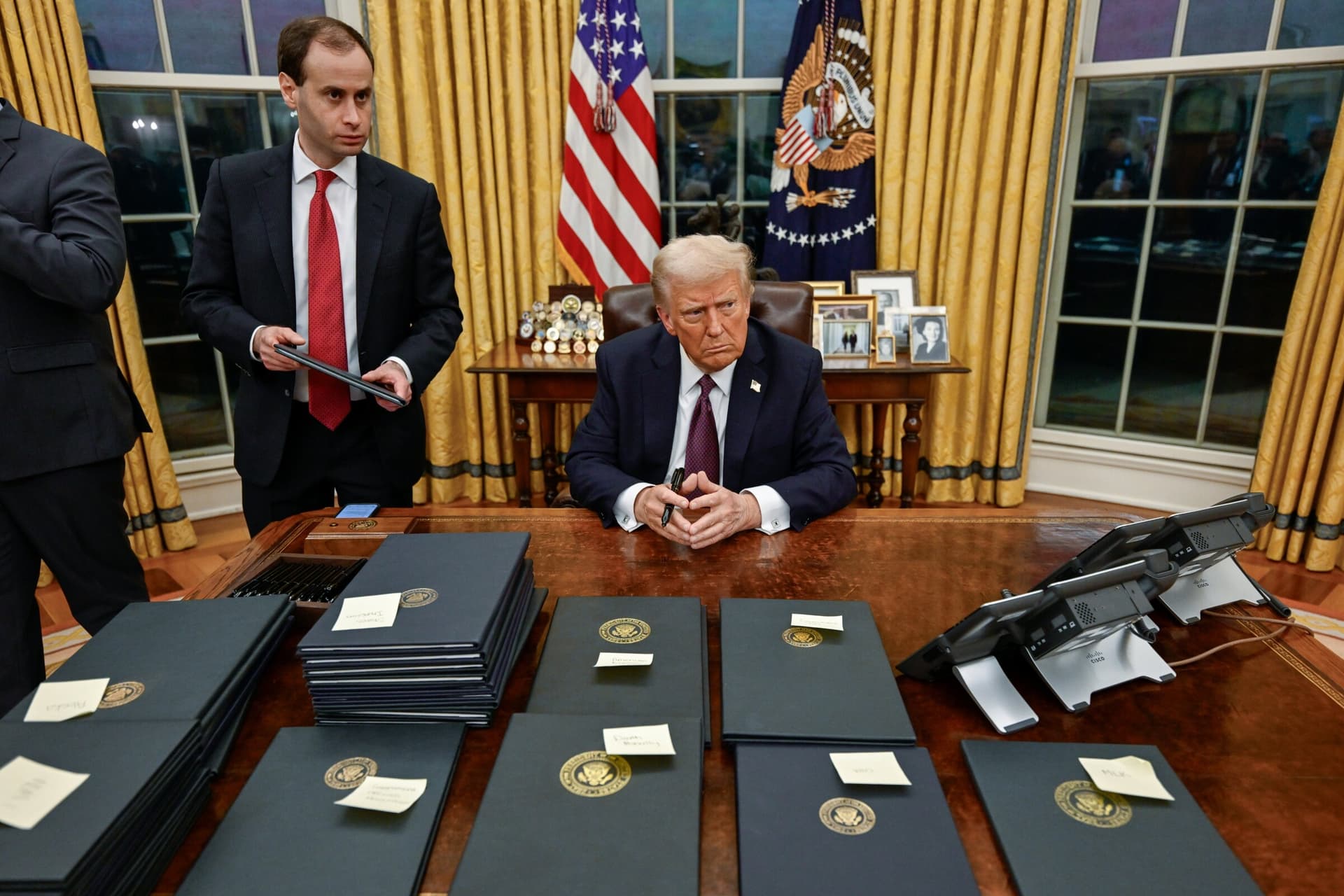
MoMA opens Wifredo Lam retrospective When I Don't Sleep, I Dream
MoMA presents more than 130 Wifredo Lam works spanning the 1920s to the 1970s. Highlights include La jungla, in MoMA’s collection since its 1945 purchase, and loans from the Estate of Wifredo Lam, Paris.
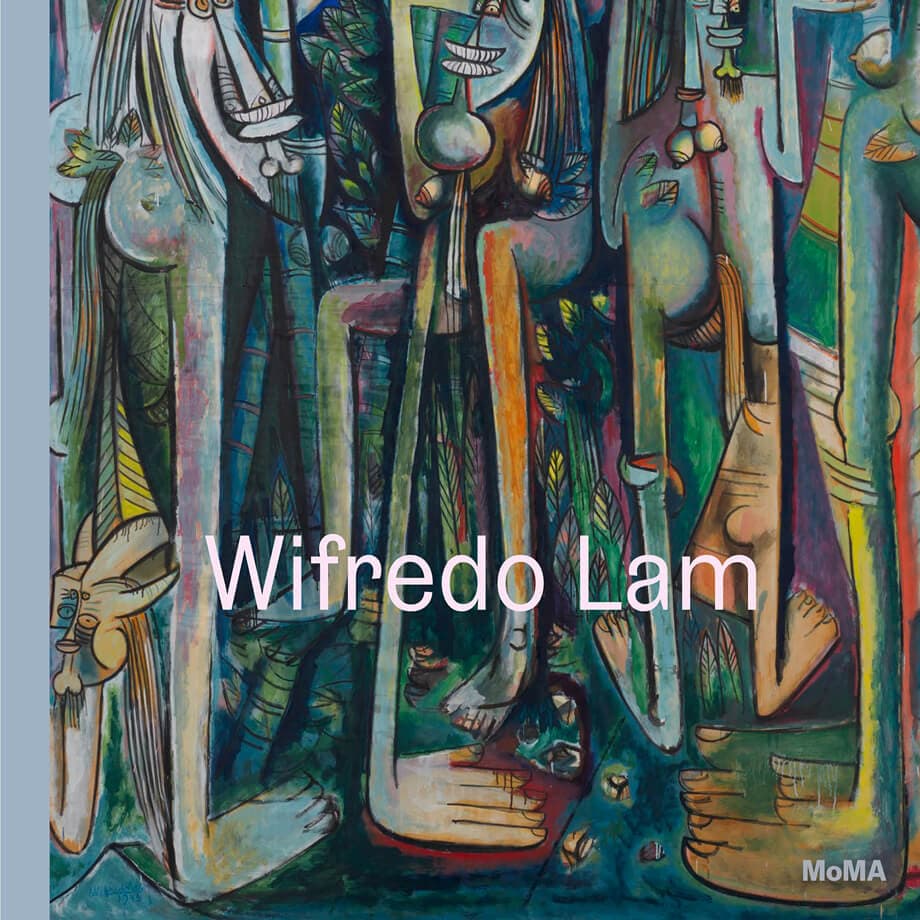
The Museum of Modern Art in New York has opened the most extensive United States retrospective devoted to Wifredo Lam, presenting more than 130 artworks that span the 1920s to the 1970s and remain on view through April 11, 2026. The exhibition, titled Wifredo Lam: When I Don’t Sleep, I Dream, was announced with a MoMA press release datelined NEW YORK, September 30, 2025, and officially opened for the public on November 10, 2025.
Beverly Adams, curator of the retrospective, frames the show around Lam’s political and diasporic subjects: “His radically inventive works continue to speak to us across time,” said Adams. “The realities he confronted, colonialism, racism, exile, and displacement, remain as urgent today as they were in his lifetime.” MoMA bills the presentation as a six-decade survey of Lam’s career and includes paintings, large-scale works on paper, collaborative drawings, illustrated books, prints, ceramics, and archival material.
Key loans for the presentation include works from the Estate of Wifredo Lam, Paris, alongside pieces from private collections and gallery lenders. MoMA’s own La jungla, dated 1942–43 and executed in oil and charcoal on paper mounted on canvas, measures 7'10 1/4" × 7'6 1/2" (239.4 × 229.9 cm) and has been in the museum’s collection since MoMA purchased it in 1945. The ALBA blog highlights the museum’s earlier treatment of La jungla, noting, “In 1945, when New York’s Museum of Modern Art purchased The Jungle (1943), Wilfredo Lam’s first major painting to explore Afro-Cuban belief systems, the curators inexplicably chose to display it in the museum lobby, next to the coat check.”
Press coverage singles out politically charged and rarely seen works that anchor the presentation. Forbes reports that La Guerra Civil, produced in Barcelona in 1937, hangs in the opening gallery and can be seen in the United States as part of this MoMA presentation; Forbes also writes that MoMA “won’t hold La Guerra Civil for that long, only through the end of the Lam exhibition, April 11, and it will ironically have to leave America for Spain to escape fascism, not the other way around.” Forbes further identifies Grande Composition (1949) as Lam’s largest canvas, nearly 14 feet across, and says it has not been shown in more than 60 years and never in the US.
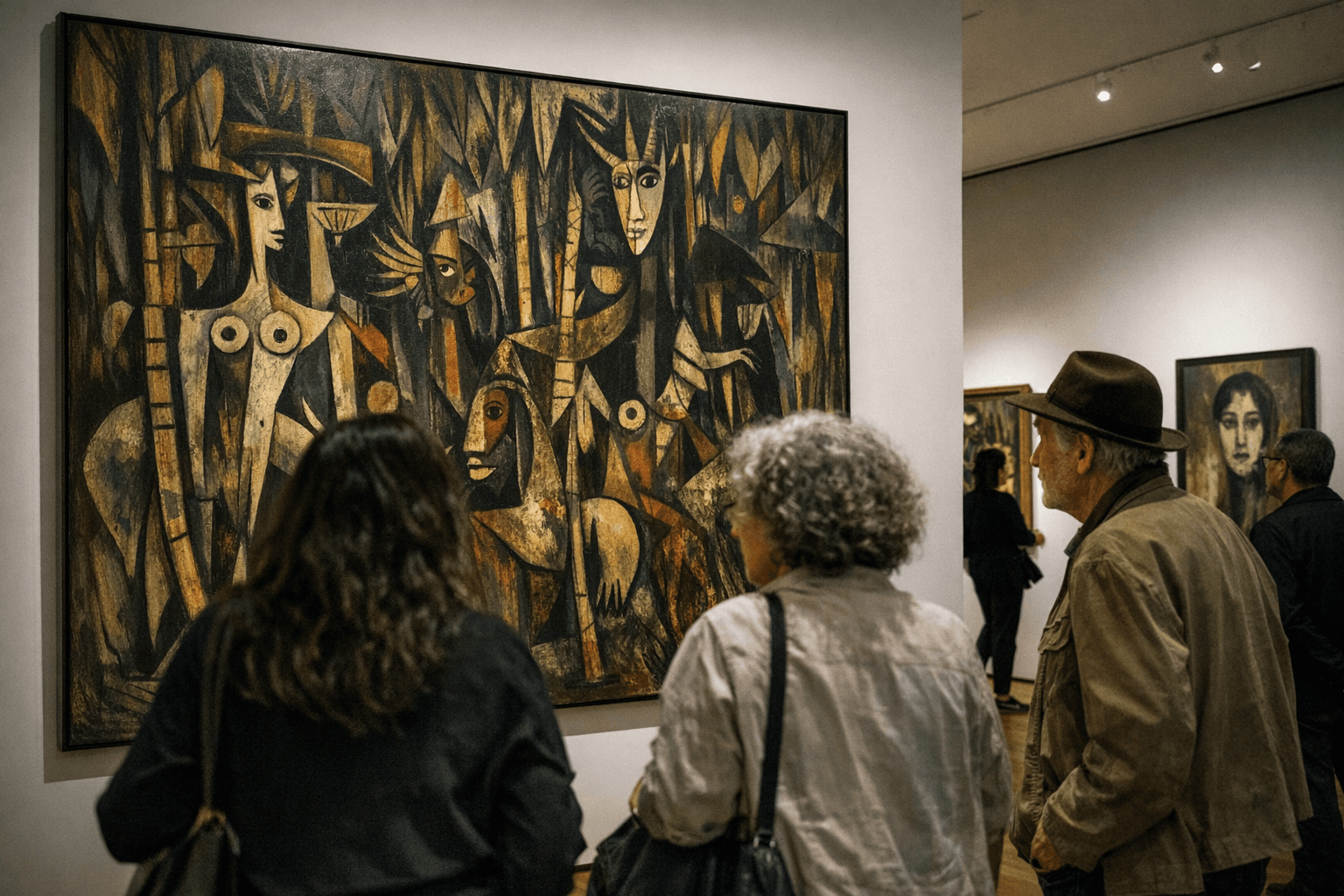
The retrospective closes with late ceramic works and literary collaborations, including illustrated books with Édouard Glissant and René Char and the Annonciation print portfolio with Aimé Césaire from 1982. Specific works on view beyond La jungla and La Guerra Civil include Les Abalochas dansent pour Dhambala, dieu de l’unité (1970), oil on canvas, 6'11 7/8" × 8' (213 × 244 cm), from a private collection courtesy McClain Gallery, and Harpe astrale (1944), oil on canvas, 6'10 5/8" × 6'2 3/4" (210 × 190 cm), also from a private collection.
Published counts vary: MoMA’s press materials describe the exhibition as featuring “more than 130 artworks” from the 1920s–1970s, while Ocula reported the survey would include “more than 150 works made between 1920 and 1960.” A review titled “When I Don’t Sleep, I Dream” appeared on March 4, 2026, in the World Socialist Web Site, reflecting the show’s ongoing public reception. Installation photography for the MoMA presentation is credited to Jonathan Dorado, and several works carry the credit © Succession Wifredo Lam, ADAGP, Paris / ARS, New York 2025. The exhibition continues at MoMA through April 11, 2026.
Know something we missed? Have a correction or additional information?
Submit a Tip