Monaco arson convict reemerges in New Mexico murder-for-hire case
A man convicted in Monaco’s deadly penthouse fire later surfaced in New Mexico under a new name, then was accused of plotting to kill his estranged wife.
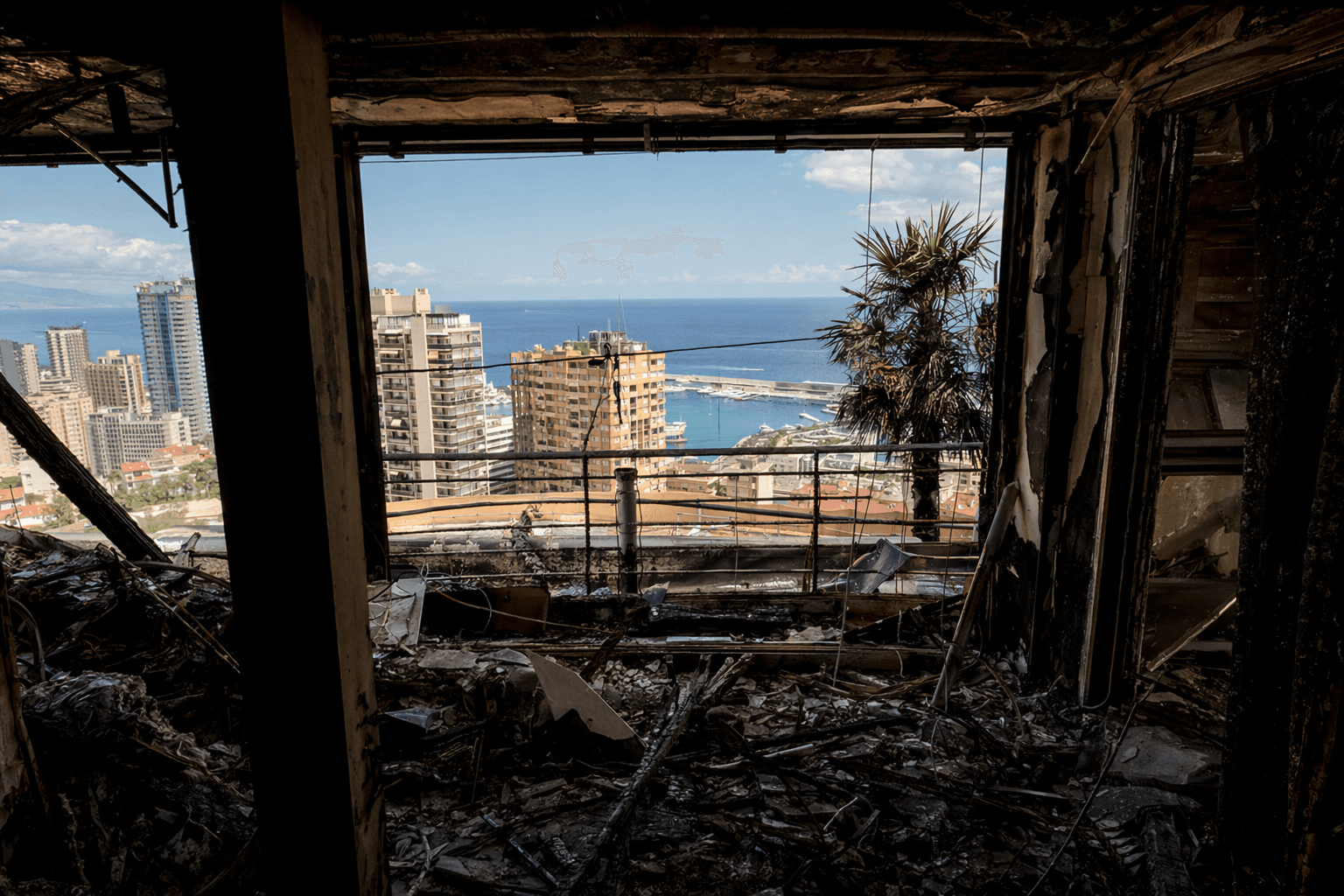
Ted Maher’s path from Monaco to New Mexico reads like a study in reinvention and the difficulty of making a notorious past disappear. After his conviction in the 1999 penthouse fire that killed billionaire banker Edmond Safra and nurse Vivian Torrente, Maher later changed his name to Jon Green and, in New Mexico, was accused of putting out a hit on his estranged wife, Dr. Kim Lark. Maher denied the allegations in both cases.
The Monaco fire unfolded in Safra’s penthouse apartment in Monte Carlo, where the billionaire banker founded Republic National Bank of New York had been living with his nurse. CBS News reported that Safra paid Maher $600 a day as a nurse before the blaze. Safra’s wife, Lily, was on the other side of the apartment and escaped, while Safra and Torrente died after firefighters took two and a half hours to reach them. Maher initially claimed the fire was part of a plan to stage a heroic rescue, then was convicted in Monaco after the case became so consuming that Monaco Matin called it the principality’s “Trial of the Century.”
The story resurfaced years later in a different state and under a different name. Maher, now using Jon Green, was accused in New Mexico of arranging a murder-for-hire plot against Lark, whom he met in 2017 and married on Valentine’s Day 2020. The case put the focus not only on Maher’s alleged conduct, but on how a person with a conviction tied to a deadly fire in one country could reappear in public life in another, under a new identity, before the next criminal case emerged.

The renewed attention came as 48 Hours revisited the saga in the episode “The Man with Two Names,” which aired May 16, 2026. Erin Moriarty, who first covered Maher’s Monaco case in 2002, returned to the story, tracing the arc from the 1999 fire in Monaco to the New Mexico allegations. The result is a case that stretches across borders and years, with the same central question lingering in both chapters: whether a convicted man can truly leave one life behind, or whether the record follows him until the next courtroom catches up.
Know something we missed? Have a correction or additional information?
Submit a Tip