Montana's Three-Pint Rule and 8 p.m. Taproom Cutoff Traced to Historic Laws
Montana breweries often cap pours at three pints and stop serving alcohol by 8 p.m., rules that trace back to the state's historic regulatory framework and still shape taproom operations.
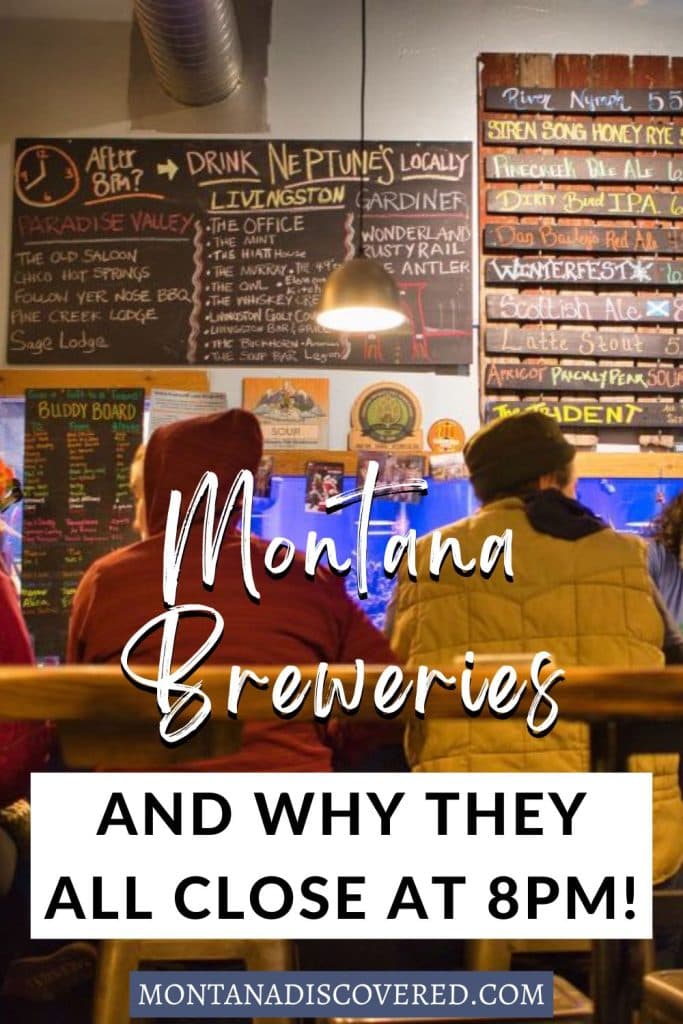
In towns across Montana, many taprooms limit customers to three pints and stop serving alcohol by 8 p.m. Those practices are not purely cultural or brewer preference; they flow from the state’s long-standing statutory and administrative framework for alcohol service.
The rule history runs back to regulatory categories and licensing language developed in the 20th century. Licensing classifications set conditions for on-premise service and for how much alcohol can be sold in a single transaction or session. Administrative rules written to interpret those statutes have layered operational limits onto modern taprooms, creating a compliance environment where breweries often adopt three-pint caps and early cutoffs to avoid fines or license challenges. Local historians point to the continuity of those rules as a reason the limits persist even after craft beer shifted how Montanans gather.
Enforcement comes through state regulators working with local licensing authorities and health inspectors. Inspectors review license terms, observe service practices, and can cite establishments for violations that range from paperwork failures to over-service. For small breweries that double as neighborhood hubs, the result is a careful balancing act: keep the taproom lively and welcoming while staying within the letter of license conditions. Some operators say they impose self-policing house rules to protect staff and community relations even when the law is ambiguous.
For brewers and taproom managers, the practical takeaway is clear: know your license conditions, document how you serve, and train staff to manage pours and last-call timing. Session-strength beers, smaller pour sizes, timed last-call announcements, and clear signage help manage customer expectations. Offering packaged options like crowlers or growlers for off-premise consumption can be part of a compliant business strategy, provided those sales fit the license. Patrons should expect that hours and serving limits can vary by city and by the specific license a brewery holds; calling ahead or checking a brewery’s posted policy avoids surprises.
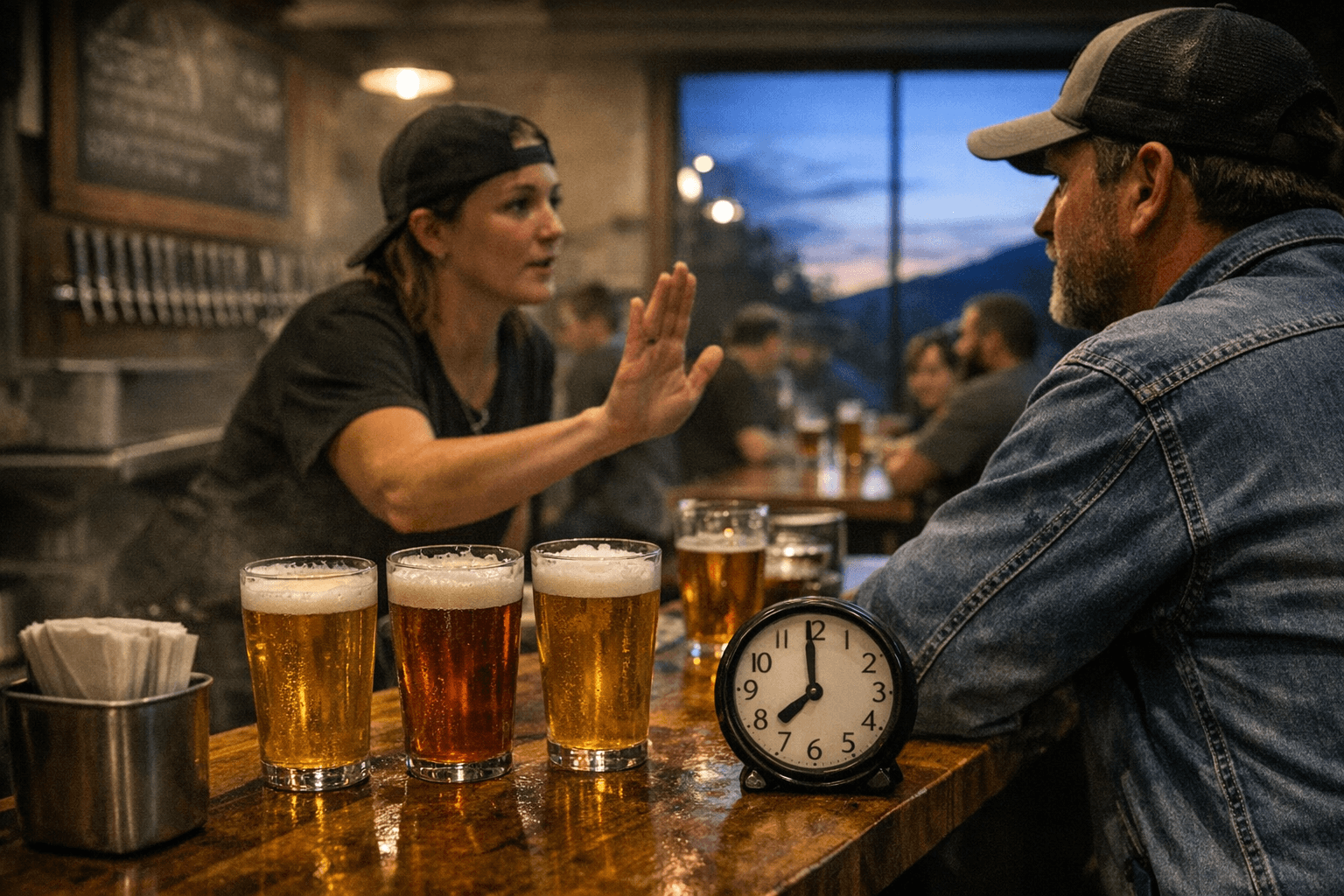
Community reaction is mixed. Many regulars treat small breweries as living rooms where friends convene, and they bristle when operational limits feel arbitrary. Brewers and local leaders have discussed whether statutes reflect contemporary reality for craft operations, and some advocates push for legislative updates to clarify taproom rules. Regulators emphasize that the statutes and rules in place aim to limit over-service and protect public safety.
What comes next for Montana taprooms depends on two things: local willingness to test the limits and lawmakers’ appetite for updating statutes. For now, verify your neighborhood taproom’s policy before you plan a long session; for brewers, make compliance part of service culture so your community space stays open and thriving.
Sources:
Know something we missed? Have a correction or additional information?
Submit a Tip