Moody's Says Southwest Holiday Cancellations to Cost Over $500 Million
Moody's Investors Service concluded on Jan. 5, 2026 that Southwest Airlines' late-December mass cancellations will produce refunds and passenger compensation exceeding $500 million, but the agency judged the credit impact likely manageable. The episode underscores ongoing regulatory scrutiny and the financial tradeoffs of modernizing airline operations while travel demand remains resilient.
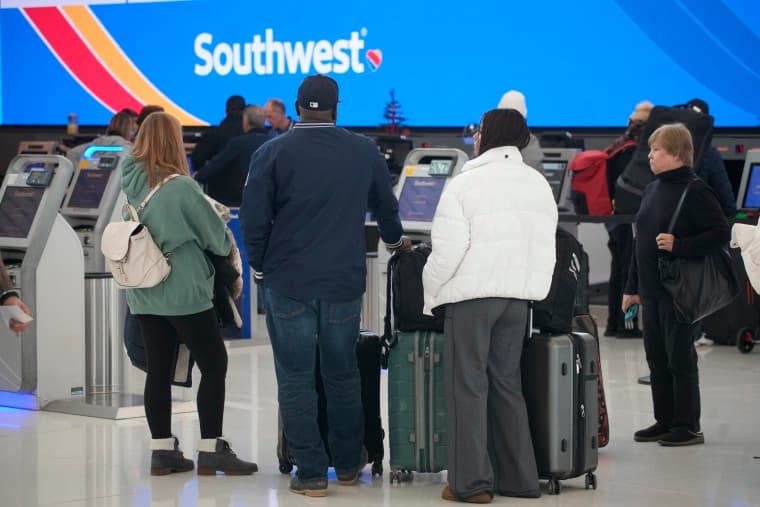
Moody’s Investors Service said on Jan. 5, 2026 that Southwest Airlines Co.’s late-December holiday cancellations will likely generate several hundred million dollars in refunds and passenger compensation, ultimately coming in above $500 million. The assessment comes as Southwest disclosed that the disruption will produce a pre-tax earnings hit of $725 million to $825 million in the affected quarter, a magnitude that will pressure near-term results but is not expected to fundamentally weaken the carrier’s balance sheet.
Moody’s pointed to Southwest’s cash cushion of roughly $13 billion and about $10 billion in debt as factors that will help the airline absorb the expense while continuing to invest in operational fixes. The rating agency concluded that the impact on passenger volumes and financial metrics “will barely be noticeable by this spring and beyond,” reflecting both the size of the carrier’s liquidity stockpile and the continuing resilience of air travel demand after the pandemic.
The late-December disruption recalls the more severe December 2022 meltdown that stranded more than 2 million travelers and resulted in roughly 17,000 canceled flights. Southwest previously reported that the 2022 crisis cost the company more than $1.1 billion in refunds, reimbursements, additional operational expenses and lost ticket sales across several months. That episode led to a 2023 settlement with the U.S. Department of Transportation under which Southwest agreed to a $140 million civil penalty and about $600 million in refunds and reimbursements to customers.
Regulators this winter have signaled a willingness to accept system upgrades and documented investments as part of enforcement outcomes. In late 2025 the DOT waived an $11 million remaining payment under the 2023 penalty and credited $112.4 million of documented Network Operations Control upgrades toward remediation. The agency cited improvements in on-time performance and completion factor in its decision. Southwest and regulators say the NOC upgrades included gate optimization tools, enhanced flight planning systems, a modernized movement control platform and new optimizers to speed aircraft and crew recovery during disruptions.
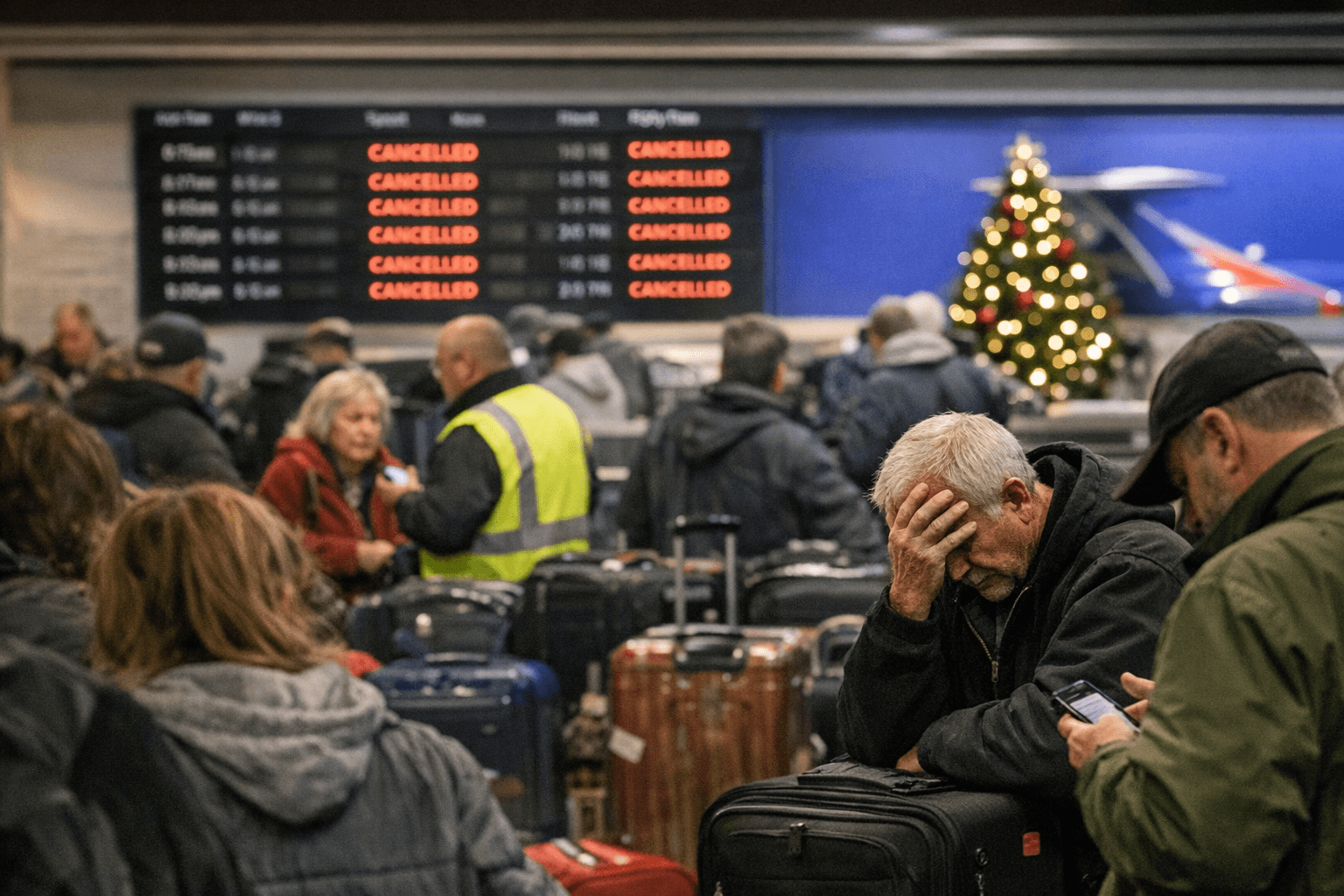
Analysts and rating agencies are weighing two competing dynamics. On one hand, the sizable one-time cash costs and the company’s public pledge to review operations intensify scrutiny of Southwest’s execution risk. On the other hand, the airline’s liquidity profile, the documented investments exceeding $1 billion in network infrastructure since 2022, and robust travel demand provide a buffer against sustained credit deterioration. Moody’s view illustrates how investors and regulators are balancing immediate consumer compensation with incentives for long-term operational investment.
For markets, the episode is likely to mean near-term pressure on Southwest’s quarterly earnings and reputational costs with customers, but limited systemic credit spillovers for the U.S. airline sector. The key indicators to watch in coming months are Southwest’s first-quarter operational metrics, the pace of NOC deployment and any further regulatory steps that might attach conditions to credits granted for upgrades. Long term, the crisis reinforces a trend toward heavy investment in resilience and technology across major carriers as the primary tool to reduce the frequency and severity of disruptive meltdowns.
This article was produced by Prism’s automated news system from verified source data, official records, and press releases, then run through automated quality and moderation checks before publishing. The system is built and supervised by the people who set the standards it runs under. Read our full AI policy.
Did this article answer your question?