Mookie Betts Lands on IL With Oblique Strain, Out Four to Six Weeks
Betts strained his right oblique on a checked swing Saturday, triggering a 4-to-6-week absence that reshuffles the Dodgers' leadoff spot and shortstop.
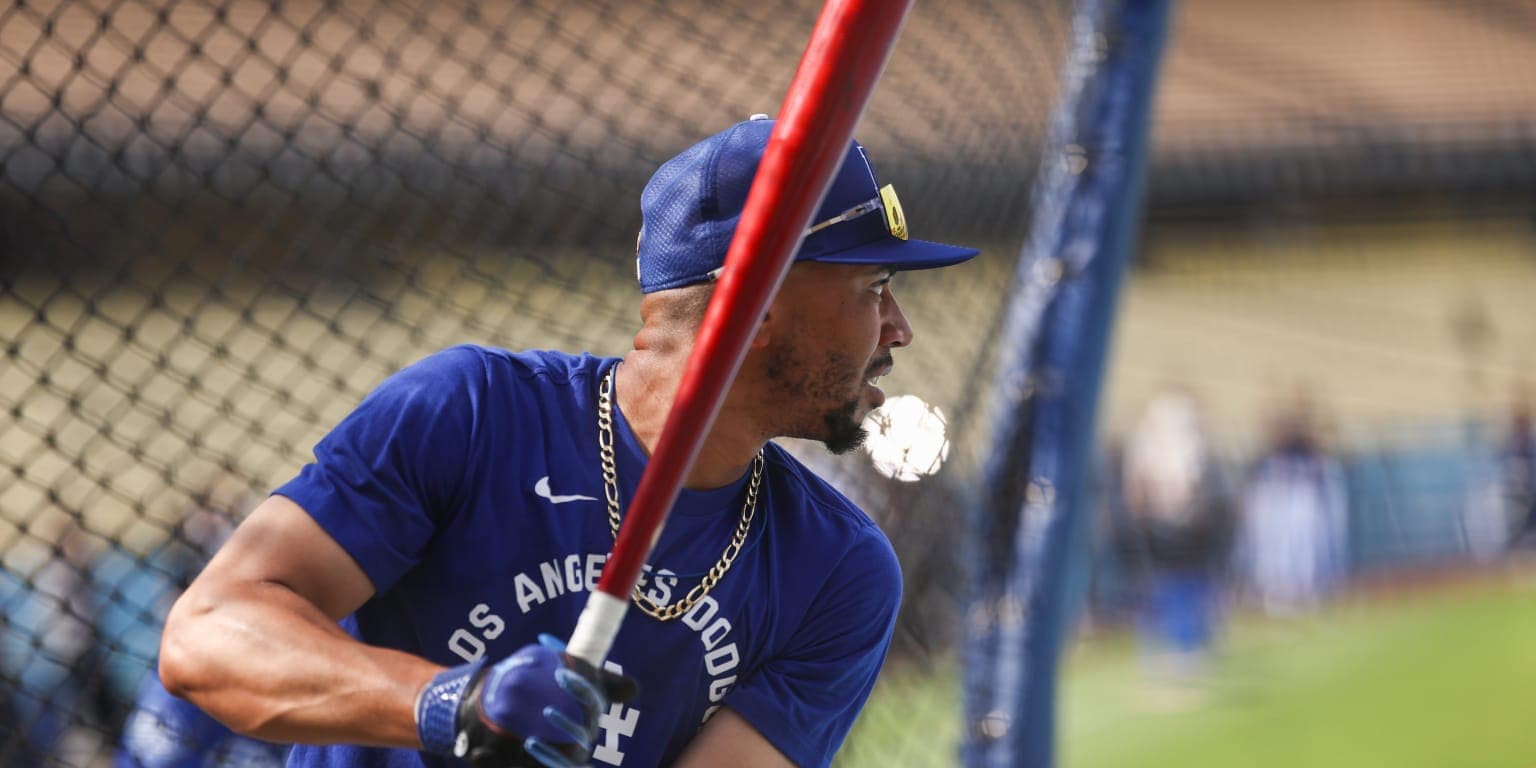
Every swing a major-league hitter takes fires through the oblique muscles. They are the engine of rotational power, and when one tears, the sport essentially demands that you re-injure it on the next pitch. That biological reality is why baseball's medical community treats oblique strains with a caution bordering on paranoia, and why the Los Angeles Dodgers wasted no time placing Mookie Betts on the 10-day injured list after an MRI confirmed a right oblique strain on April 5.
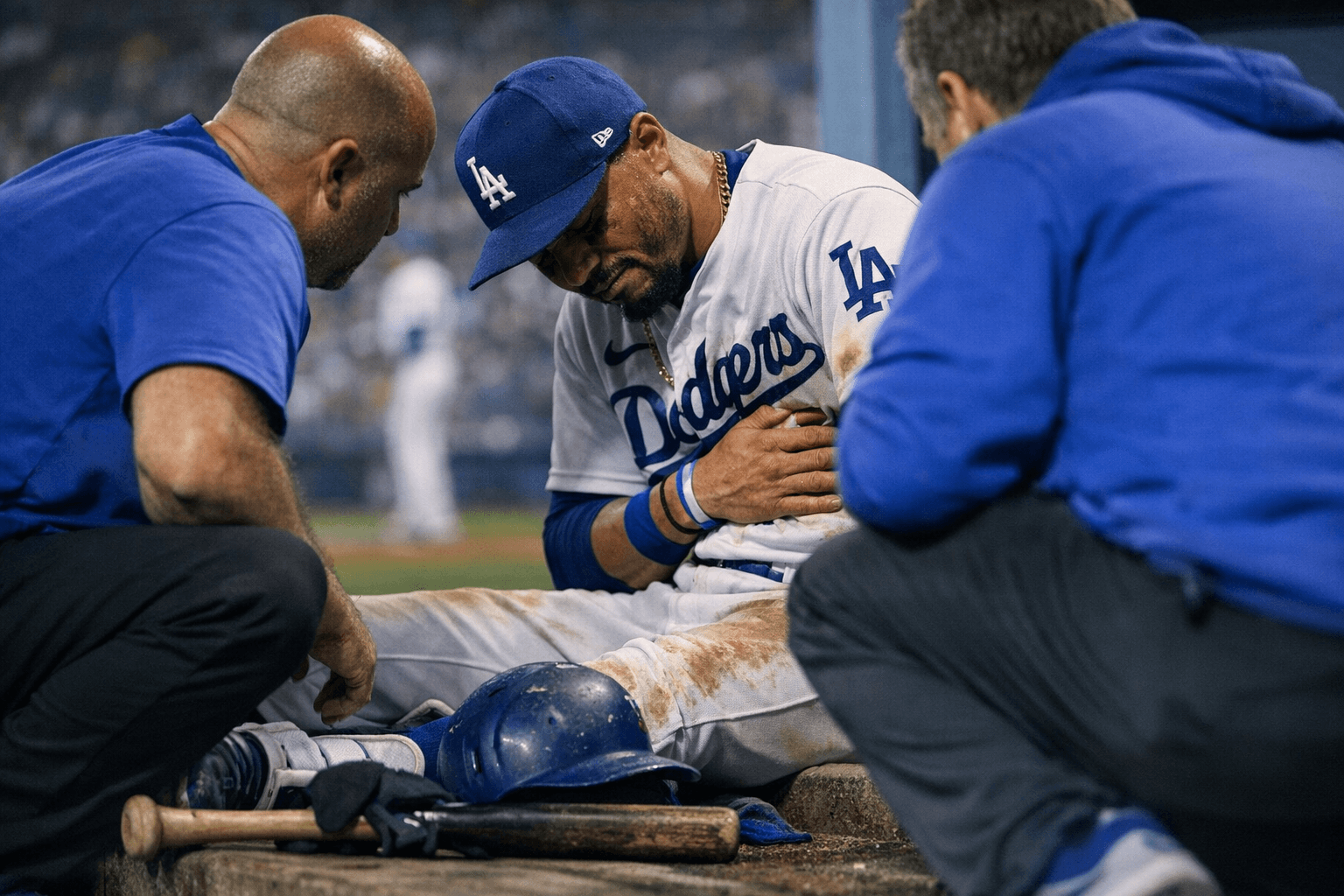
The injury surfaced in the most mundane way possible. During Saturday's series finale against the Washington Nationals, Betts was pulled from the lineup after just one plate appearance, the damage apparently triggered by a checked swing. He initially reported lower back discomfort, but imaging told a different story. The Dodgers placed him on the IL retroactive to April 5 and recalled infielder Hyeseong Kim from the minors to cover the roster spot.
Manager Dave Roberts set an estimated timeline of four to six weeks, then immediately signaled optimism. Asked whether Betts could beat the upper bound of that window, Roberts said he would "take the under." The team's medical staff outlined a graded throwing and hitting progression, with frequent monitoring and re-scans to gauge tissue healing before any baseball activity ramps up.
The caution is medically justified. Research from MLB's Health and Injury Tracking System found that position players who suffer oblique strains miss an average of 21 to 27 days depending on severity, and those figures represent clean recoveries. The risk of re-injury is substantial precisely because the muscles cannot be rested the way a hamstring or wrist can; breathing, coughing, and even normal trunk movement keep the tissue under low-grade stress throughout recovery. A second strain typically doubles or triples the original timetable, which is why teams consistently err toward conservatism even when a player insists he feels ready.
For the Dodgers, the absence creates a structural problem that extends beyond simply filling a position. Betts had been playing shortstop, and Los Angeles will address the vacancy with a platoon: Kim starts against right-handed pitching, Miguel Rojas against left-handers. The defensive adjustment is manageable. The offensive adjustment is harder.
Betts anchors the top of the Los Angeles order, meaning the plate appearances he vacates directly alter the run-environment for Shohei Ohtani and Freddie Freeman, who hit second and third. The leadoff spot functions as a table-setter; a replacement who cannot reach base at Betts' rate limits the situations Freeman and Ohtani inherit and reduces the pressure opposing pitchers feel from the first inning on. Roberts will likely cycle through available options to find a combination that keeps some heat on opposing starters, but there is no roster-level substitute for a two-time batting champion with Gold Glove-caliber defense.
The schedule during Betts' projected absence includes division rivals and national contenders. Late April brings the Chicago Cubs to Dodger Stadium, followed by a home series against the Miami Marlins before the club travels to St. Louis to open May. Each series carries weight in the early National League standings, and the Dodgers will navigate them without their most complete player.
Roberts did not shy away from the stakes. "He's elite in everything he does, his bat, his glove, his leadership, so obviously this is a big thing for us," Roberts said. "We've got confidence in the guys who will step up, but Mookie's a difference-maker and we'll miss him."
The club said it expects to release clearer rehab milestones within the week. For now, the priority is a full recovery by summer rather than a rushed return that risks a longer absence the second time around.
This article was produced by Prism’s automated news system from verified source data, official records, and press releases, then run through automated quality and moderation checks before publishing. The system is built and supervised by the people who set the standards it runs under. Read our full AI policy.
Did this article answer your question?

.jpg&w=1920&q=75)
