Moonshot AI releases Kimi K3, stirring fears of full AI communism
Moonshot AI’s Kimi K3 arrived with 2.8 trillion parameters and a 1-million-token window, but key benchmark and pricing details were still missing.
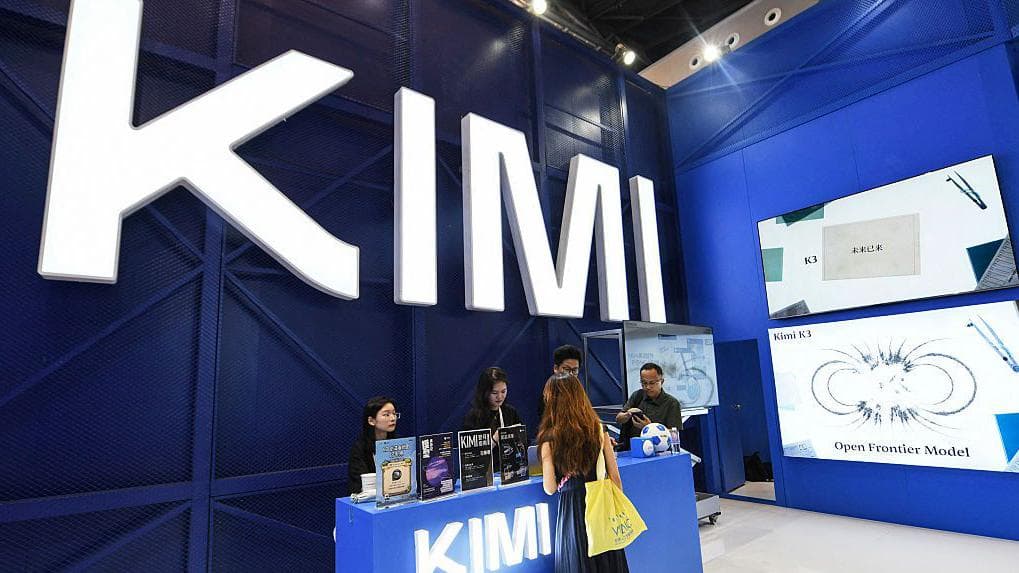
Moonshot AI rolled out Kimi K3 around the World Artificial Intelligence Conference in Shanghai, and the Beijing startup said the open-weight model could rival OpenAI and Anthropic. The launch immediately drew attention because the model was described as having 2.8 trillion parameters and a 1-million-token context window, putting it among the largest AI systems publicly discussed so far.
The reaction, including jokes and fears about full AI communism, said as much about geopolitics as it did about the model itself. Moonshot was founded in 2023 by former ByteDance researcher Yang Zhilin, and it has grown fast enough to be treated as one of China’s most valuable AI companies. The firm was reported at a US$3.3 billion valuation after a 2024 funding round, then later raised about $2 billion at a $20 billion valuation in a round led by Meituan’s venture arm Long-Z Investments, with Tsinghua Capital, China Mobile and CPE Yuanfeng participating.

Kimi K3 also builds on a steady release cadence. Moonshot launched Kimi k1.5 in January 2026, then followed with Kimi K2.5, which added agentic and coding features. Moonshot’s official site says the Kimi platform supports code, analysis, sheets and slides, and says its research team is working toward AGI while sharing research with the open-source community.
The harder questions now sit beneath the headline-grabbing scale. BenchLM said verified public sources had not yet published Kimi 3 benchmark scores, API pricing, reasoning mode or weight availability, leaving outsiders without the basic details needed to test the model’s real standing. That matters because model size alone does not answer whether Kimi K3 actually outperforms American rivals on coding, reasoning and long-context work, or how much of its performance depends on undisclosed training choices and access limits.
The wider backdrop is real, too. A U.S. government report highlighted an increasing number of Chinese companies developing world-leading open-weight AI models, a sign that the competition is no longer limited to a few familiar names. Kimi K3 looks less like proof of an ideological breakthrough than a commercial attempt to narrow the gap fast, while the questions around censorship, data governance and model access remain central to judging whether this is a genuine shift or another viral overreaction.
This article was produced by Prism’s automated news system from verified source data, official records, and press releases, then run through automated quality and moderation checks before publishing. The system is built and supervised by the people who set the standards it runs under. Read our full AI policy.
Did this article answer your question?