Moonwell Pylons force mercy-versus-power choices in gothic high-level D&D
Design diary explains Moonwell Pylons force parties to choose between battlefield control and strengthening a boss, making high-level play about ethics not just damage.
B. Dave Walters posted a design diary on January 14, 2026, laying out a clear shift in how to challenge high-level Dungeons & Dragons parties. Rather than escalating hit points or adding endless minions, Walters and coauthor Beth designed encounters that make choices matter: tactical tools come with moral costs that change the story and the enemy.
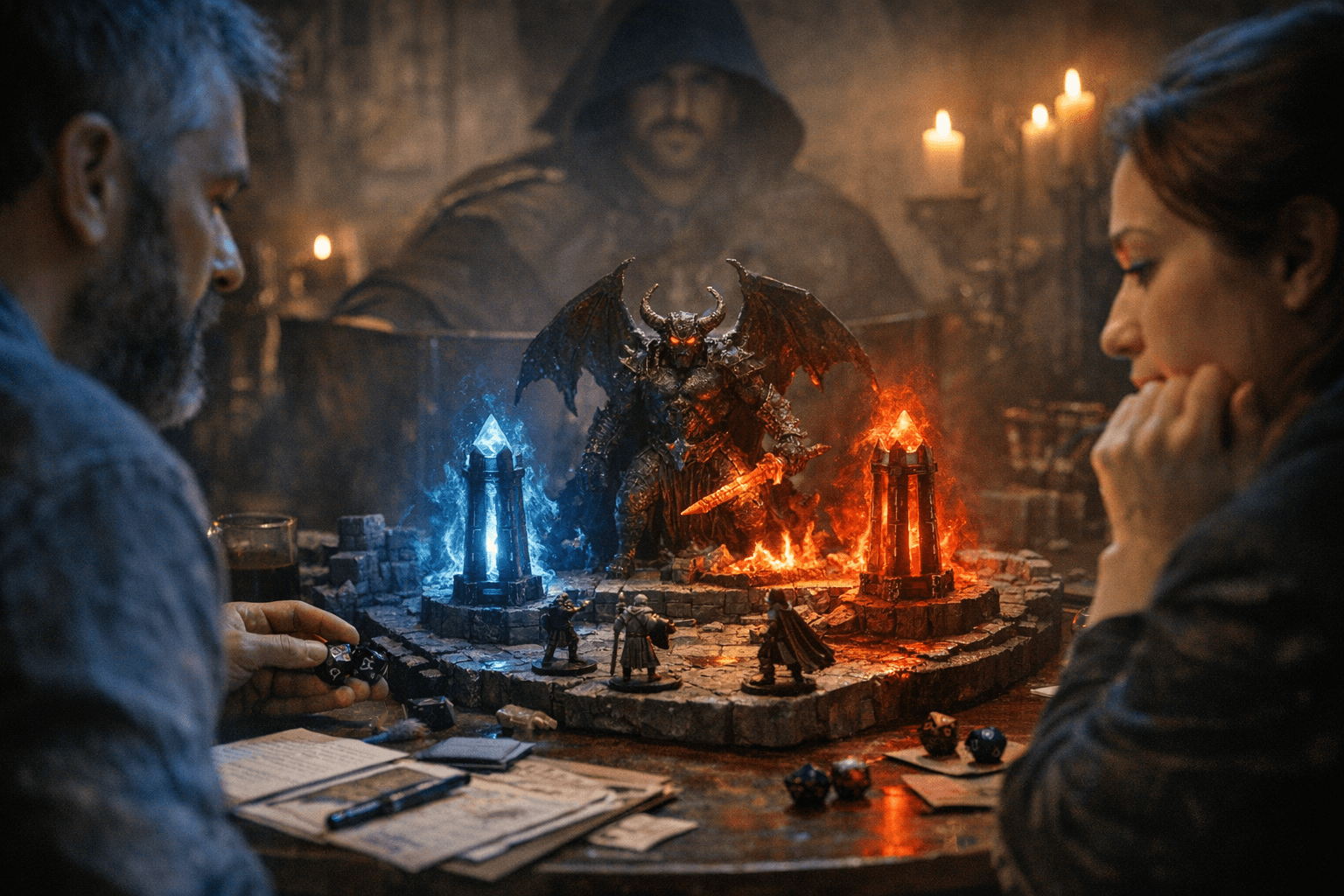
The centerpiece is the Temple of Dead Dragons, a gothic, body-horror module in the Night Terrors anthology. Its signature mechanic, the Moonwell Pylons, gives players powerful battlefield control - cover, buffs, or area-denial - but every activation strengthens the final boss. That trade-off forces parties to balance short-term survival and battlefield dominance against making the ultimate confrontation harder. The result is a high-level test that targets ethics and consequences instead of pure math in hit points and damage per round.
Walters and Beth framed mood and character at the heart of the design. The adventure revolves emotionally around two sisters, Mildrith and Corinthe, whose relationship and suffering anchor player decisions. By tying mechanical temptations to emotional stakes, the module pushes powerful characters into wrenching choices: use the pylons now to survive a gauntlet and risk an empowered antagonist, or hold back and accept greater immediate danger to preserve mercy and a cleaner conscience.
For dungeon masters this is a usable blueprint. If you run tier-four play, you can graft Moonwell-style devices into lairs to create meaningful trade-offs. Signal the consequences clearly, use strong NPCs like Mildrith and Corinthe to humanize the cost, and tune the pacing so choices accumulate rather than resolve instantly. Balance options with diminishing returns or soft caps so the mechanic tests decision-making without collapsing into binary win-or-lose situations. Expect more roleplay at the table as players debate mercy, sacrifice, and tactical necessity.
Community relevance is immediate. High-level tables often suffer from resource bloat and decision fatigue; design that forces ethical calculus restores tension and makes player choices narratively consequential. Temple of Dead Dragons demonstrates a pathway for adventure writers: lean into atmosphere and character to make mechanical hooks feel meaningful.
What comes next is simple for GMs and writers alike: experiment. Use mechanics that trade advantage for escalation, anchor them to sympathetic NPCs, and let ambiguity drive table conversations. Players who want to measure their characters by choices rather than damage will welcome encounters that punish decisional cowardice as surely as they punish poor tactics.
Sources:
Know something we missed? Have a correction or additional information?
Submit a Tip