More than 1.5 million pilgrims arrive in Saudi Arabia for Hajj
More than 1.5 million overseas pilgrims reached Saudi Arabia as Hajj opened under a fragile regional ceasefire, with heat and security fears shaping every step.
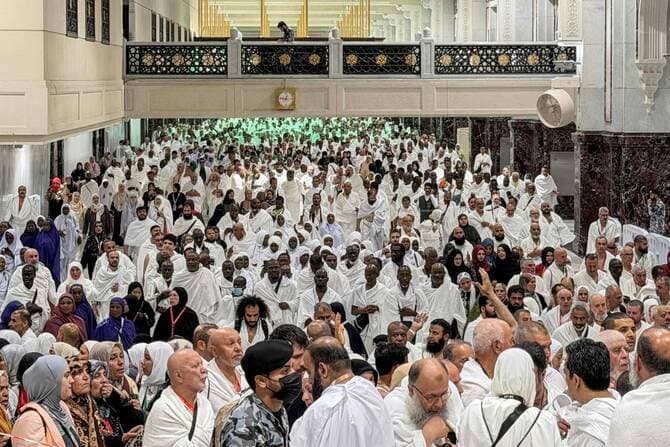
More than 1.5 million pilgrims from outside Saudi Arabia had reached the kingdom before Hajj began, turning Mecca into a vast test of faith, logistics and security as regional tensions lingered over the pilgrimage. For Muslims able to make the journey, Hajj is one of Islam’s Five Pillars and a once-in-a-lifetime obligation, but this year’s rites opened against a tense backdrop of war fears, travel uncertainty and strict crowd controls.
Saudi officials said the arrivals figure, announced by Saleh bin Saad Al-Murabba, already surpassed last year’s international total. The annual Hajj officially began on Monday, May 25, 2026, and the main rituals will run through May 29, ahead of Eid al-Adha. The pilgrimage drew 1,833,164 people in 2024, including 1,611,310 from outside the Kingdom, while Saudi data for 2025 recorded 1,673,230 pilgrims overall, including 1,506,576 external pilgrims.

The scale of the gathering has sharpened the kingdom’s focus on access control. Saudi authorities have tightened enforcement against unauthorized Hajj participation, requiring official permits and the Nusuk smart card for entry to the holy sites. The Ministry of Hajj and Umrah, the Ministry of Interior and other state agencies have expanded coordination around Mecca, Medina, Mina, Arafat, Muzdalifah and Jamarat, with cooling, water, medical and security preparations built into the route. Violators face fines, deportation and re-entry bans, a signal that authorities are determined to avoid the chaos that can come when unregistered worshippers push into already crowded sites.
Heat remains the most immediate physical danger. In the 2024 Hajj, Saudi authorities reported 1,301 deaths, mostly among unauthorized pilgrims, after temperatures in Mecca reached 51.8C. Saudi forecasters have warned that temperatures during Hajj 2026 could climb as high as 47C, keeping heat safety at the center of planning for the General Authority for Statistics, the National Center for Meteorology and the health ministry. For pilgrims moving between the holy sites, the risk is not abstract: it is measured in long walks, packed transport corridors, shade, water, and the ability of the system to keep pace with the crowd.
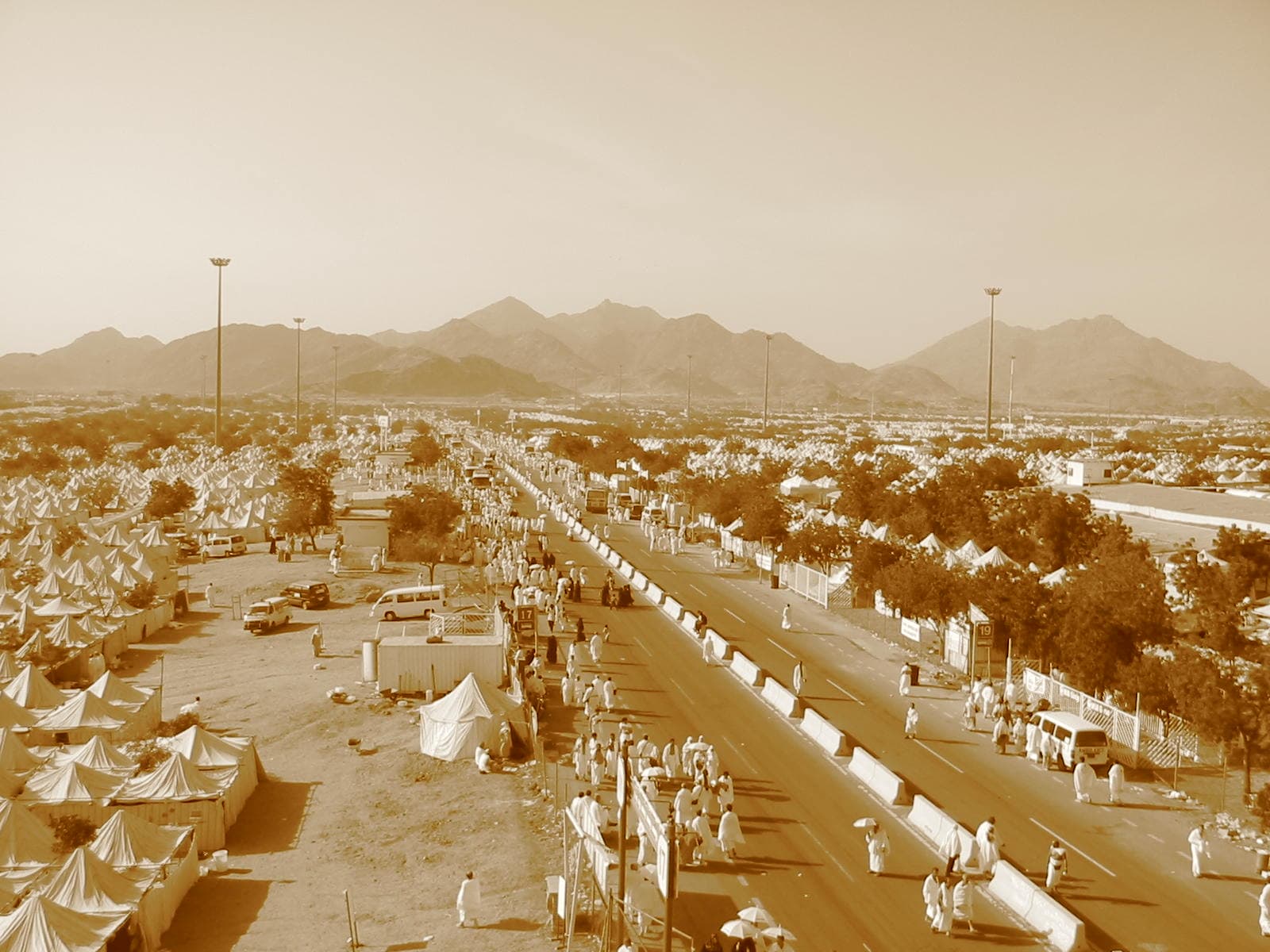
The pilgrimage is unfolding while the region remains unsettled, and that uncertainty hangs over the world’s largest annual religious gathering. For the millions converging on Saudi Arabia, the challenge is to complete a central act of worship while navigating a landscape shaped by conflict, temperature and the strict logistics of one of Islam’s most demanding rites.
This article was produced by Prism’s automated news system from verified source data, official records, and press releases, then run through automated quality and moderation checks before publishing. The system is built and supervised by the people who set the standards it runs under. Read our full AI policy.
Did this article answer your question?