More women die in war, families grieve mothers and wives
More than 150 women have died in Afghanistan, Iraq, Kuwait and Syria since 9/11, forcing Memorial Day grief into homes that lost mothers and wives.

Women’s military service has moved far beyond the margins, and so has the burden of grief. When Defense Secretary Leon Panetta and Chairman of the Joint Chiefs of Staff Gen. Martin Dempsey rescinded the direct ground-combat exclusion rule on Jan. 24, 2013, and when Defense Secretary Ash Carter opened all military occupations and positions to women starting in January 2016, the Pentagon changed the rules of service. It did not change the costs of war. Families now remember fallen service members as mothers and wives as often as sons and husbands, while the country’s public rituals still struggle to catch up.
The scale of that loss is visible in the government’s own records. The Defense Casualty Analysis System, maintained by the Defense Manpower Data Center, says it tracks U.S. casualties from the Korean War to the present and maintains historical data reaching back to the American Revolutionary War. Its active-duty deaths-by-year table was current as of May 22, 2026. Memorial Day honors more than one million men and women who have died in military service since the Civil War, according to the U.S. Census Bureau. In the Iraq war alone, DCAS lists 4,418 total deaths and 31,994 wounded in action.
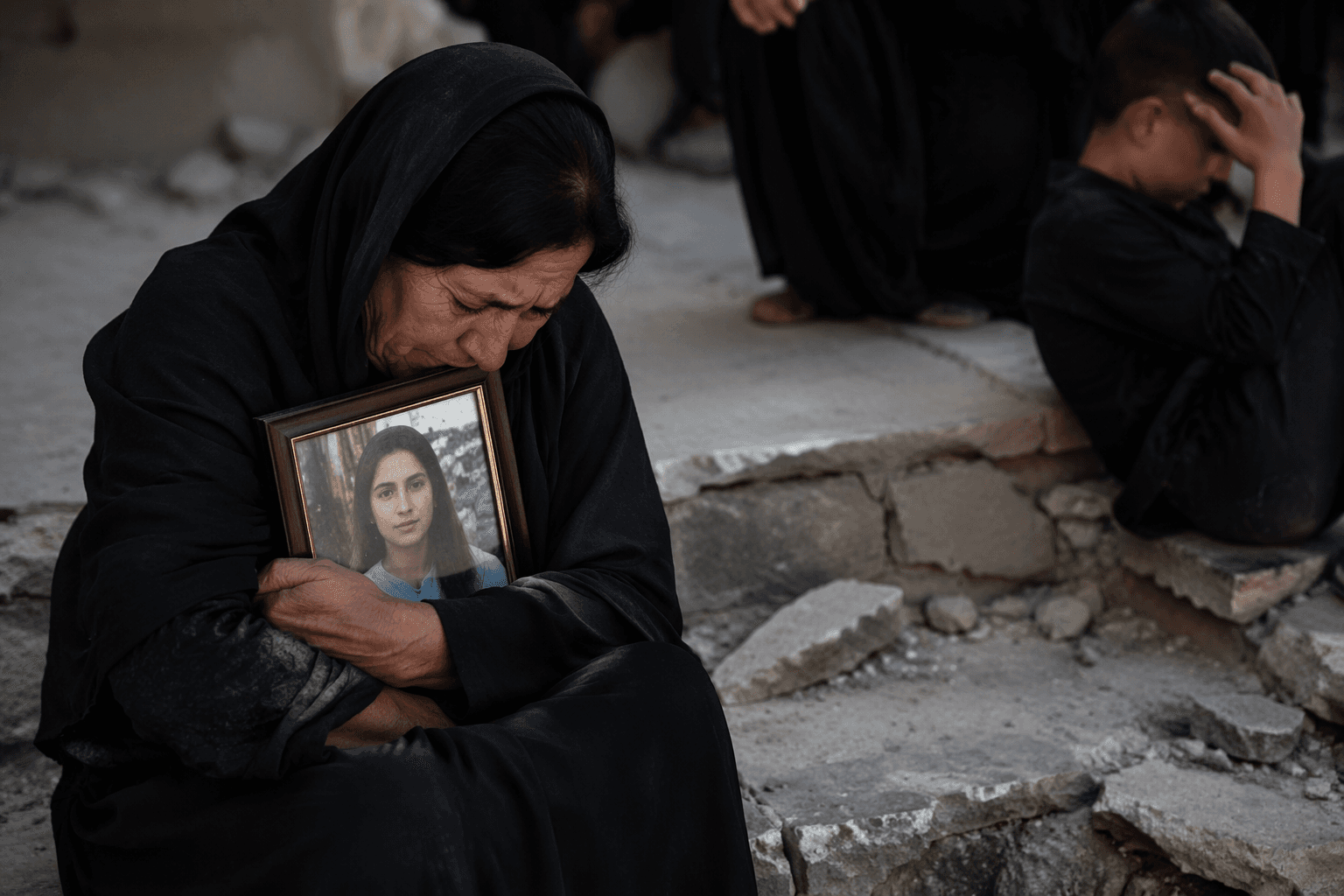
The war on terror has also left a documented toll on women service members that is too often absent from the national memory. One compiled memorial list says 153 women deployed to Afghanistan, Iraq, Kuwait and Syria have died since Sept. 11, 2001, including two killed at Kabul airport on Aug. 26, 2021. Those names reflect a broader shift in how war reaches military households. As women have taken on combat-adjacent and direct-risk roles, the loss has become more visible in the lives of spouses, children and parents who once might have expected only men to disappear from the family’s military ledger.
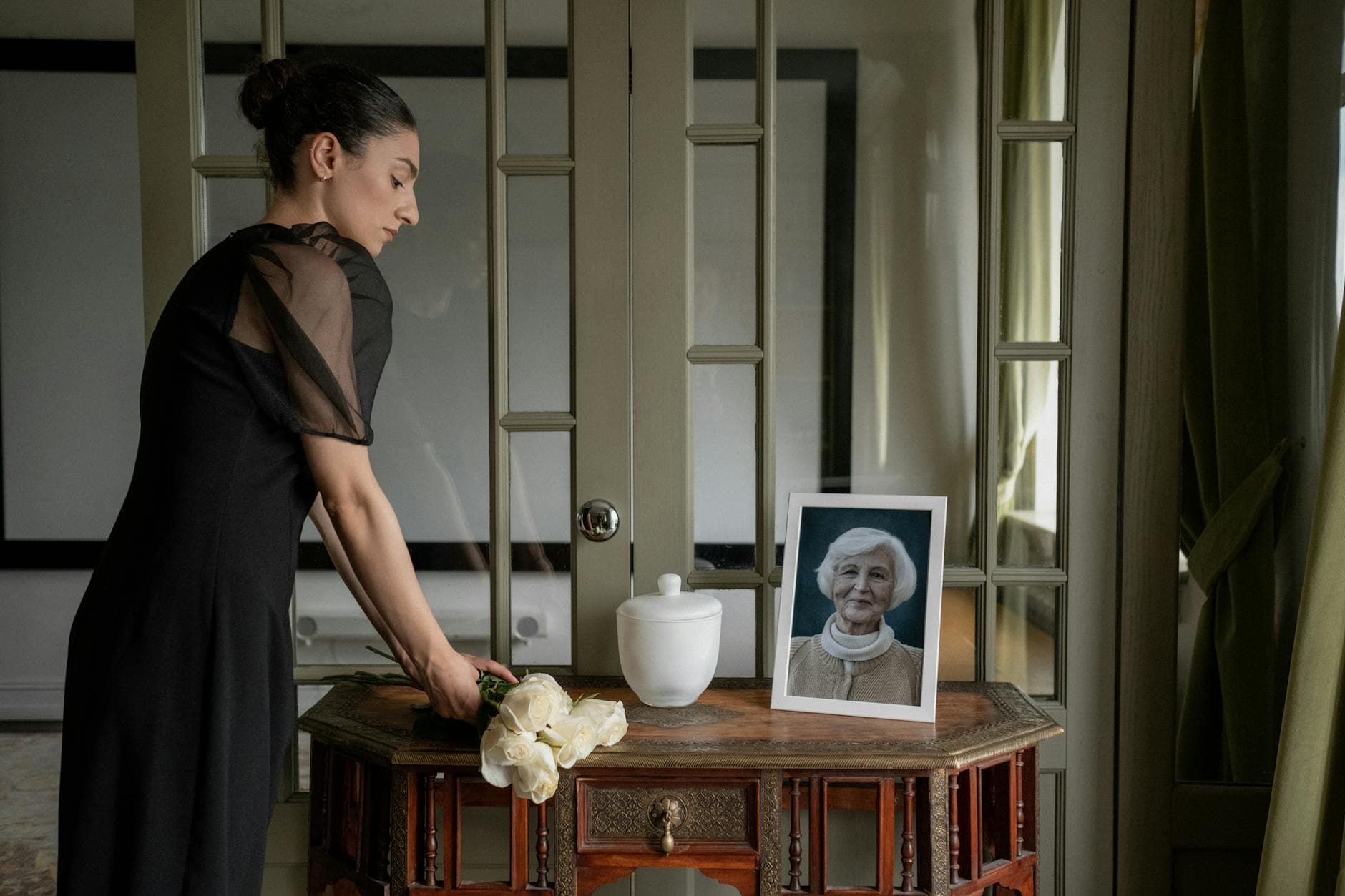
The institutions that preserve that history have grown, but the public story still lags. The Military Women’s Memorial describes itself as the nation’s historical repository documenting women’s service, and its oral history collection includes more than 1,400 accounts from women who served from World War I to the present. That archive matters because remembrance shapes policy, and policy shapes support. As the country marks Memorial Day, the record shows that women have long been in harm’s way. What is changing now is that more military families are burying mothers and wives, and the nation can no longer treat that as a footnote to war.
Know something we missed? Have a correction or additional information?
Submit a Tip