Morgan Stanley warns Qatar LNG blackout could erase 2026 surplus, tighten markets
Morgan Stanley said damage to QatarEnergy facilities may wipe out the 2026 LNG surplus, risking a sharp price squeeze and forcing downgrades for exposed Asian markets.
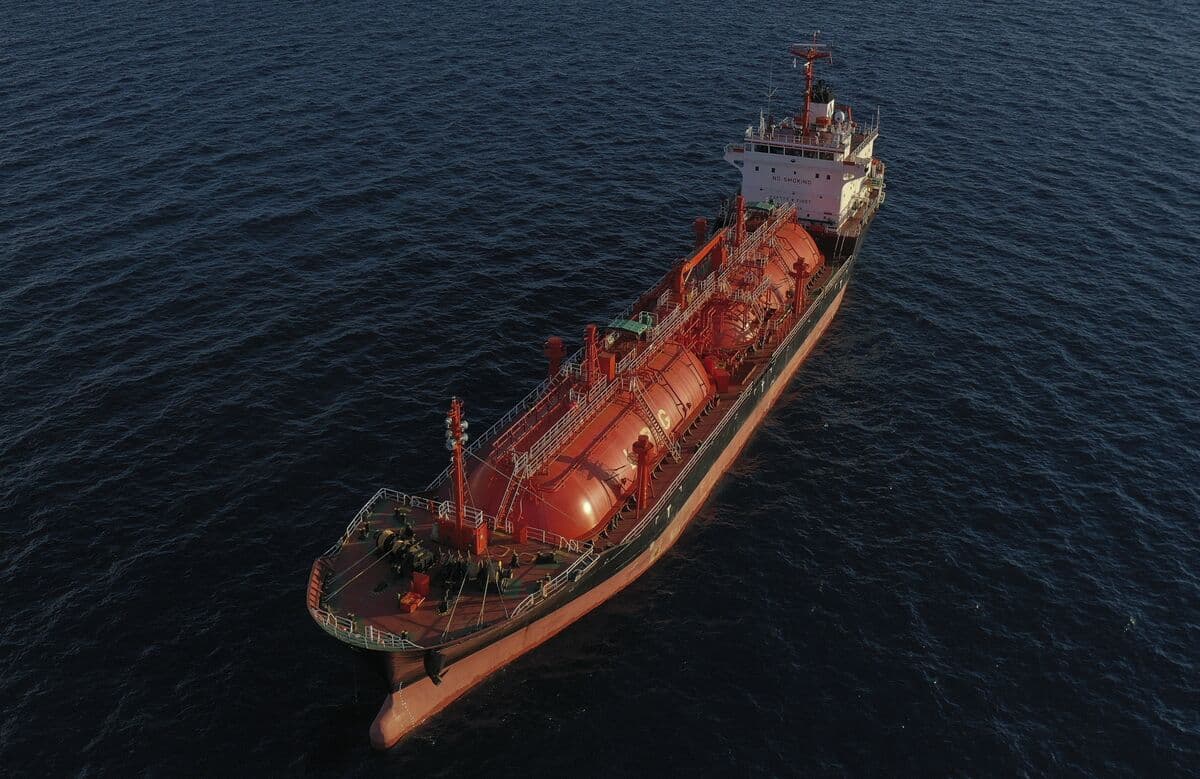
Analysts at Morgan Stanley warned in notes circulated March 8–9, 2026 that damage to QatarEnergy’s facilities after drone and missile attacks could wipe out most of the global LNG supply surplus that had been forecast for 2026, tightening gas markets and lifting price risk across Europe and Asia.
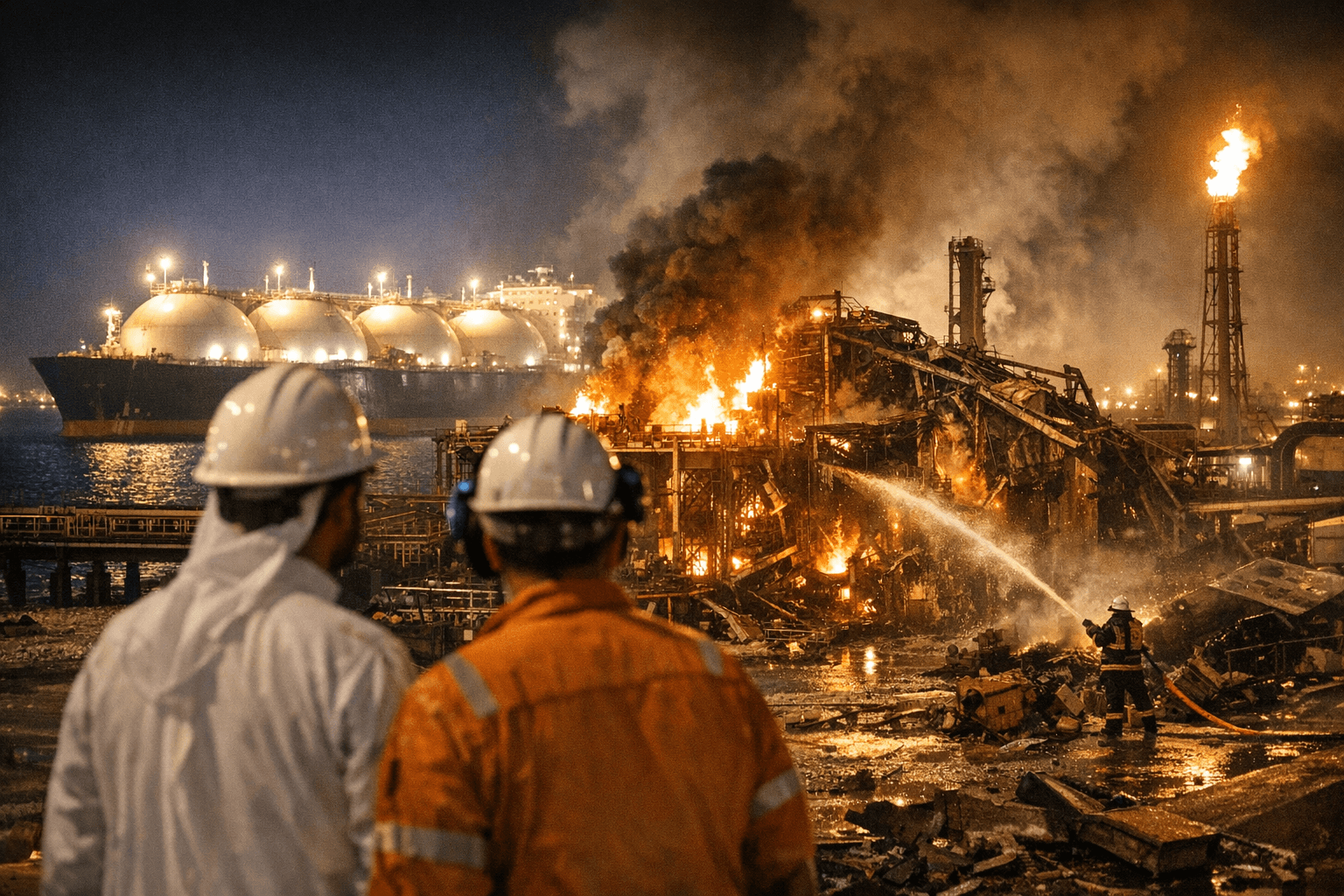
QatarEnergy announced an immediate halt to production at key facilities in Ras Laffan and Mesaieed following the attacks, a step that the bank and market participants say removed a large share of global export capability overnight. Qatar shipped nearly 81 million metric tons of LNG in 2025. Yahoo Finance described the strikes as Iranian drone strikes and said the shutdown “effectively removes roughly 20% of the world’s LNG export capacity from the market in one hit.”
Markets reacted instantly. European natural gas futures surged more than 40% and Asian LNG prices jumped nearly 39% after the production halt was announced, market trackers reported. Morgan Stanley’s baseline assessment projects Europe could lose about 2.3 million tonnes of LNG supply per month, a figure that includes volumes diverted to Asia and reduced direct arrivals to Europe. The bank says that if Qatar’s exports resume quickly, Europe’s inventories could still be replenished to roughly 70%–75% by the summer, leaving price pressure concentrated at the front end of the curve.
Morgan Stanley cautioned that current market pricing may reflect only a short disruption. “Current pricing only reflects a 1-2 week interruption. If Qatar halts production for several months, prices could double again!” the bank’s analysis, as reported by Hua/Bitget, stated. The bank reproduced stress scenarios that included “60–80 for one month,” a numeric stress metric that was published without a clarified unit in the circulated summaries.
The notes, and a March 5 strategist memo from Daniel Blake and Jonathan Garner, stressed Asia’s vulnerability and moved the bank to defensive positioning. “We stay defensive,” the strategists wrote, adding that “Asia remains critically dependent on Middle Eastern supply of crude oil, refined products and LNG and we believe the market is too complacent about supply chain risks.” Morgan Stanley downgraded India from overweight to equal-weight in the March 5 reshuffle, citing exposure to a potential Qatari supply disruption.
The bank framed the risk against the 2022 Russia gas cutoff, saying the 2026 Middle East risk may approach that earlier episode in scale while operating through different transmission mechanisms. In 2022 Europe lost roughly 130 billion cubic meters a year of Russian gas and TTF more than doubled, topping 200 euros per MWh in the summer, a comparison Morgan Stanley used to illustrate potential outcomes.
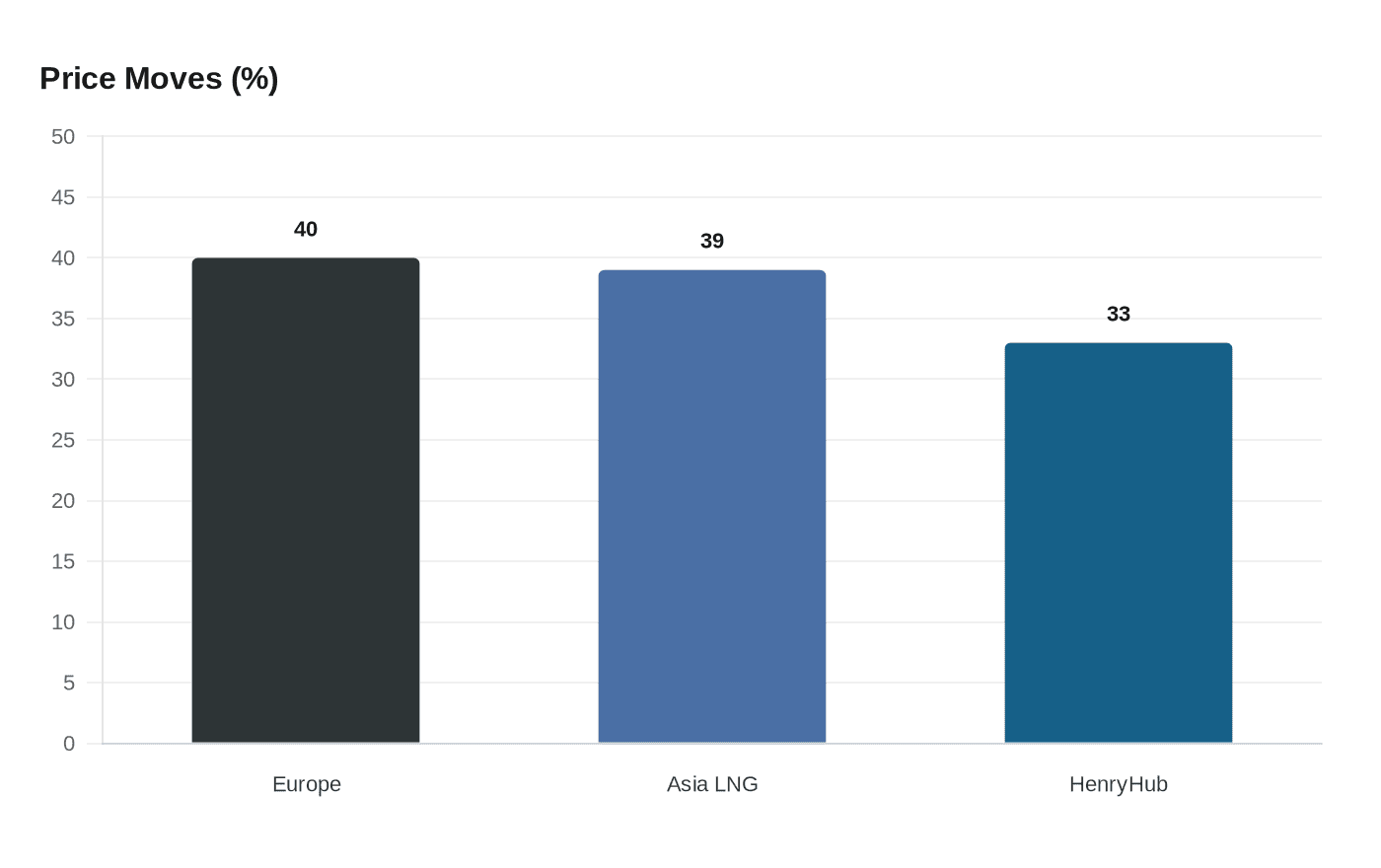
U.S. market forecasts and company-level responses also shifted. The EIA forecast cited by market analytics predicts a move from oversupply in 2026 to a deficit of about 1.6 billion cubic feet per day in 2027, with Henry Hub averaging close to $4.60 per MMBtu in 2027, up roughly 33% from earlier projections. Producers such as CNX Resources, flagged by analysts, have low fully burdened cash costs and large buyback programs that could benefit if a prolonged global tightening materializes.
Traders, producers and policymakers now face a binary outcome: a quick repair and partial repricing or an extended outage that could trigger a 2022-style squeeze, force earnings downgrades in energy-importing Asian economies and raise broader economic risks. The market will hinge on how fast QatarEnergy can restore output, the verification of attacker attribution and any escalation that threatens flows through the Strait of Hormuz.
This article was produced by Prism’s automated news system from verified source data, official records, and press releases, then run through automated quality and moderation checks before publishing. The system is built and supervised by the people who set the standards it runs under. Read our full AI policy.
Did this article answer your question?