Morocco courts Western tourists to boost its claim in Western Sahara
Morocco is turning Dakhla into a tourism showcase, even as the UN still lists Western Sahara as a non-self-governing territory and the sovereignty dispute remains unresolved.
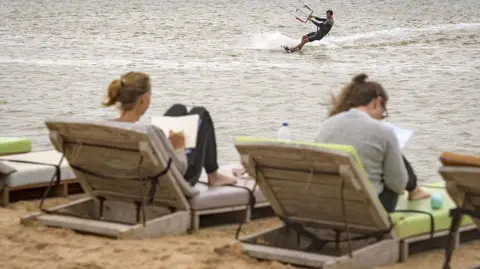
Luxury hotels, flight links and leisure marketing in Dakhla are doing more than chasing holiday dollars. They are helping Morocco present Western Sahara as settled ground, even though the territory remains on the United Nations list of non-self-governing territories and its legal status is still disputed.
Western Sahara has been listed by the United Nations as a non-self-governing territory since 1963, a designation that reflects a decolonization process still formally incomplete. In its advisory opinion of 16 October 1975, the International Court of Justice found no territorial sovereignty tie that would override the Sahrawi people’s right to self-determination. The conflict has never been resolved, and the UN Security Council renewed MINURSO’s mandate on 31 October 2024 through resolution 2756, keeping the mission in place until 31 October 2025.

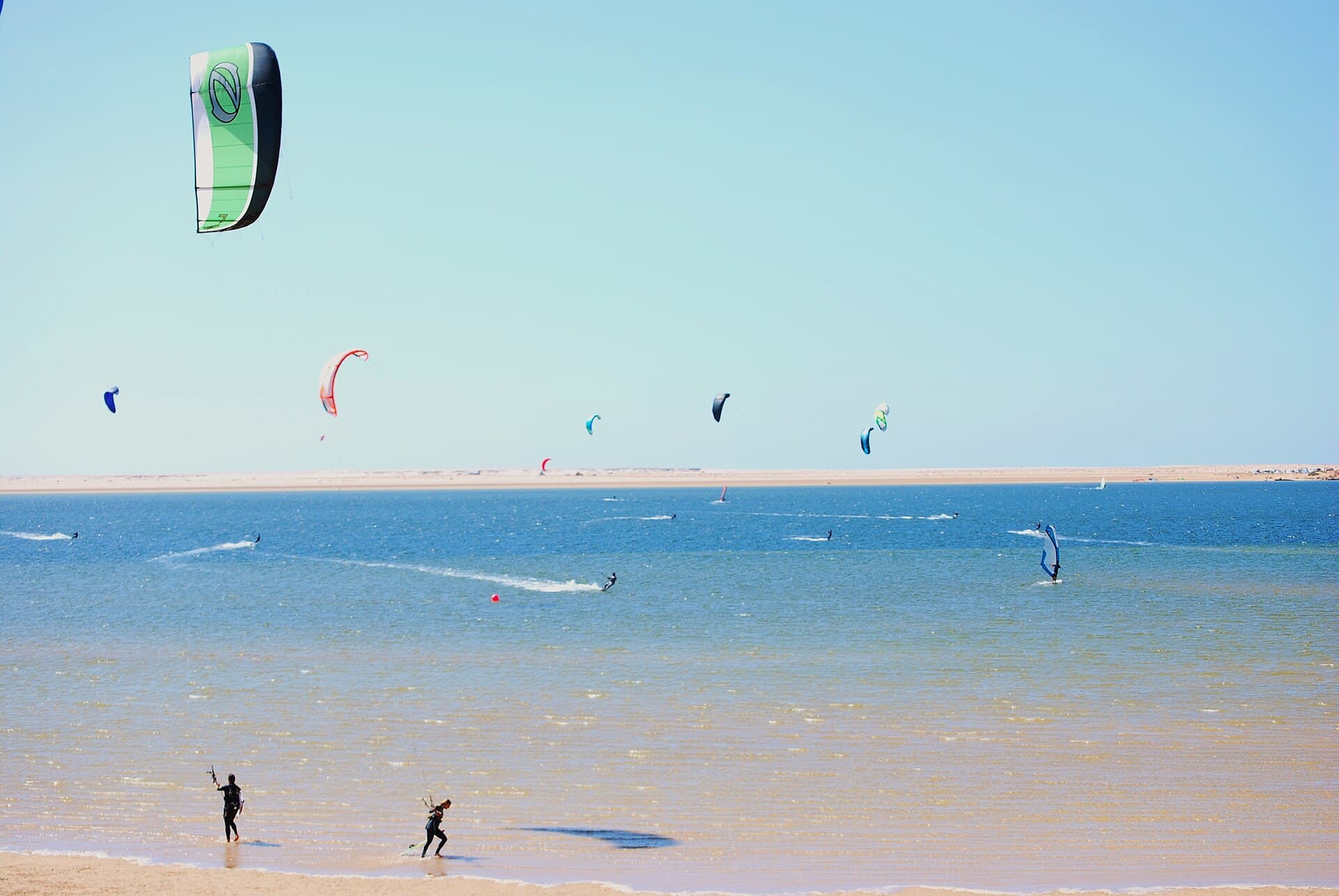
Morocco controls roughly 80% of the territory, while the Polisario Front, backed by Algeria, controls the remaining Free Zone. Against that backdrop, the Moroccan National Tourist Office has launched a targeted strategy to boost tourism in Dakhla, after meetings with local tourism councils, operators and territorial authorities focused on access, visitor flows and coordination. The city, described in reporting as home to about 100,000 people, has become the best-known tourism hub in Western Sahara, especially for kitesurfing and wind sports.
The tourism drive fits into a wider state strategy to deepen economic activity and normalize Morocco’s presence in the territory. In June 2025, Morocco announced plans for a new civilian airport in Western Sahara as part of infrastructure work tied to preparations for the 2030 FIFA World Cup, which Morocco will co-host with Spain and Portugal. Support for Morocco’s autonomy plan has also grown internationally in recent years, giving Rabat added diplomatic momentum as it pushes its case abroad.
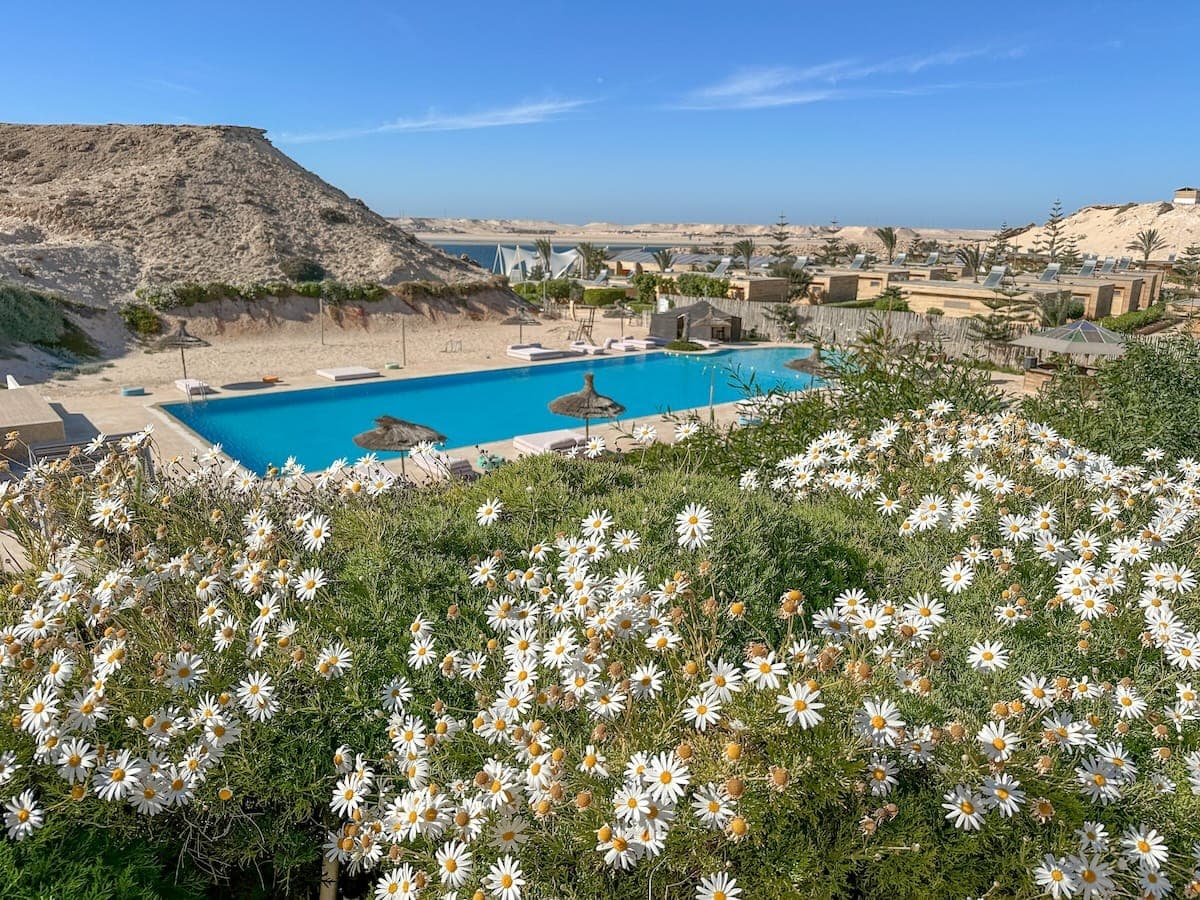
Critics say the development boom is not neutral. They argue that luxury resorts, roads and other projects on occupied land turn tourism into a tool of domination, helping “Moroccanize” the territory and present it as a routine part of Morocco rather than a disputed one. Morocco continues to describe Western Sahara as its southern provinces, while Sahrawi activists and the Polisario Front reject that claim and insist the land remains occupied.
The human rights dimension remains stark. Human Rights Watch’s World Report 2026 said 2025 saw continued security-force pressure in Morocco and Western Sahara. In June 2025, Western Sahara Resource Watch reported that UN experts called on Morocco to stop demolishing Saharawi homes as the kingdom expanded green-energy projects in occupied Western Sahara. In Western Sahara, tourism is not just an industry pitch; it is part of a contest over sovereignty, identity and the future of a territory the UN still has not fully decolonized.
This article was produced by Prism’s automated news system from verified source data, official records, and press releases, then run through automated quality and moderation checks before publishing. The system is built and supervised by the people who set the standards it runs under. Read our full AI policy.
Did this article answer your question?