Moscow says it shoots down more than 60 drones in overnight attack
Dozens of drones reached Moscow’s airspace before dawn, forcing airport restrictions and emergency crews into action as officials counted another mass interception.
Dozens of drones over Moscow punctured the image of a capital insulated from the war, sending air defenses, emergency crews and aviation officials into action before dawn on June 30. The immediate question was not only how many were intercepted, but what the attack revealed about the reach of Ukraine’s long-range campaign and the strain on Russian air defense around the capital.
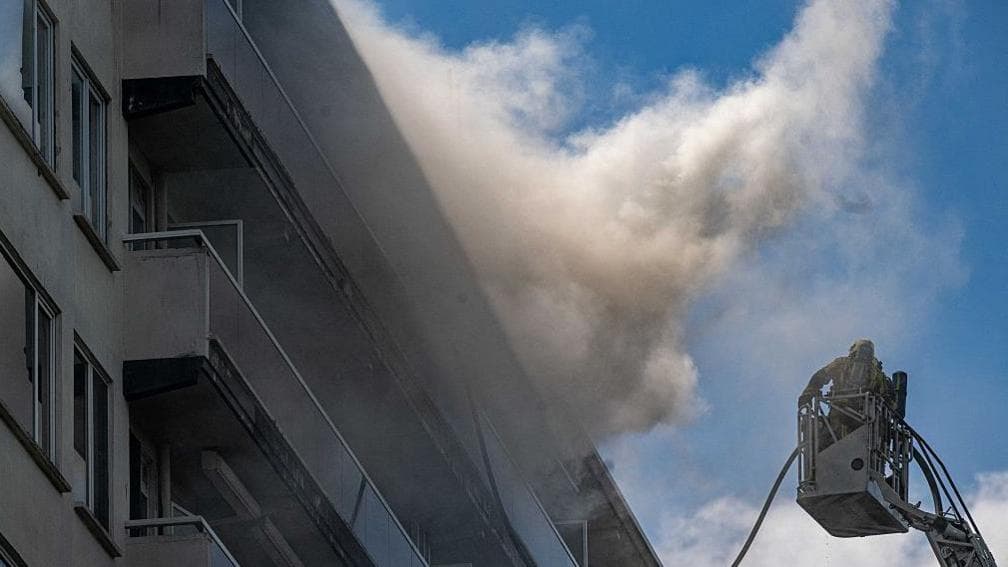
Sergei Sobyanin said the Russian military shot down more than 60 drones and reported no injuries. Over roughly two hours, he posted 11 messages saying air defenses had intercepted drones and that emergency services were working at debris sites across the city and its suburbs. Another report put the number at 50 unmanned aerial vehicles downed by 7:30 a.m. local time. Russian aviation authorities, known as Rosaviatsiya, temporarily restricted arrivals and departures at Domodedovo Airport and Zhukovsky Airport.
Monitoring channels described explosions, smoke and fire in Moscow Oblast, including Yegoryevsk and Dubna. Dubna is home to the Kronshtadt drone plant and the Raduga missile design bureau, two sites that give the attack a sharper military edge than a symbolic strike on the capital alone. The reports pointed to a campaign aimed at infrastructure tied to Russia’s drone and missile production as well as the larger security ring around Moscow.
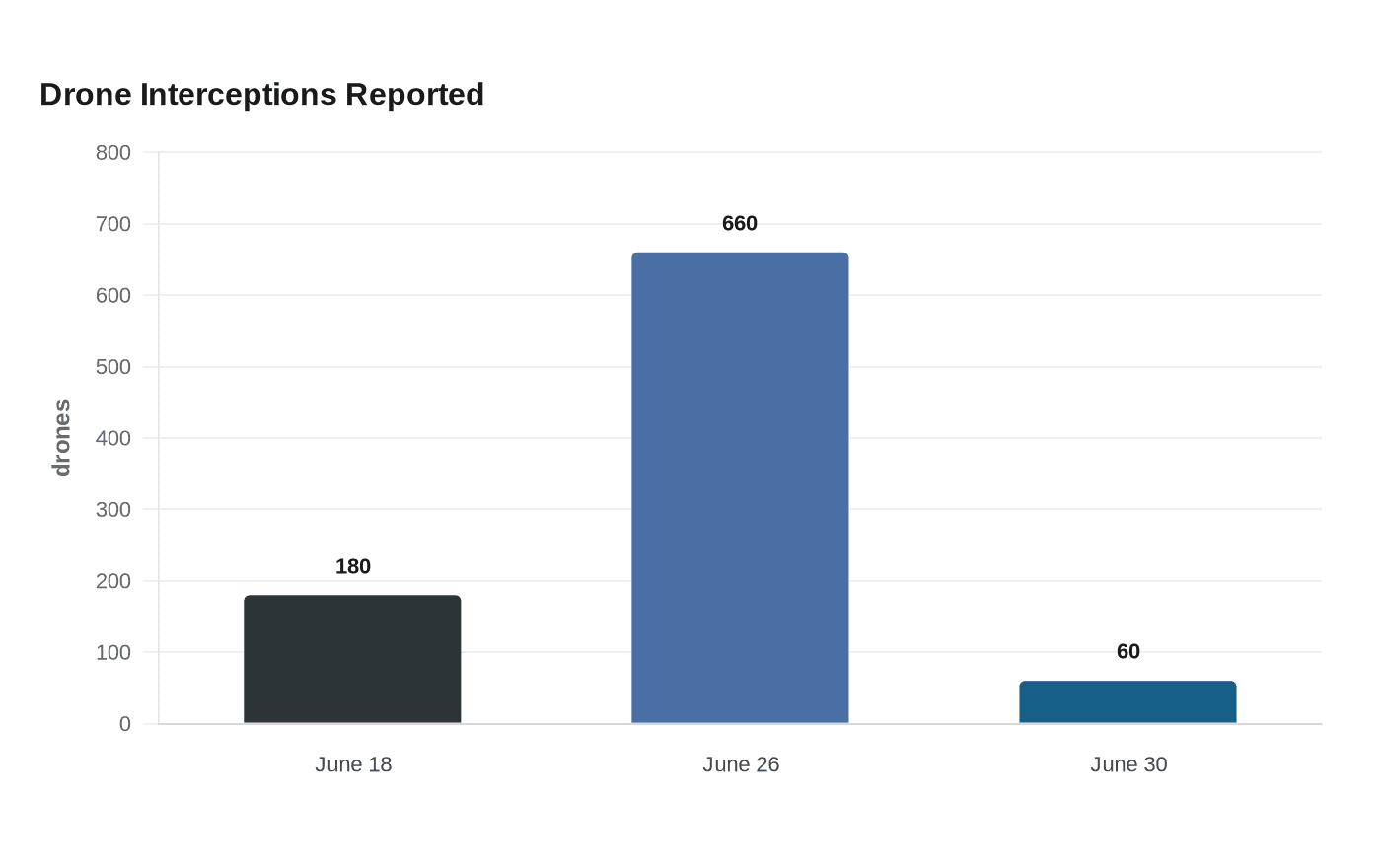
The overnight attack came after a week of heavy drone activity across Russia. On June 26, Russian officials said at least 660 Ukrainian drones were intercepted across at least 12 regions. On June 18, Moscow said about 180 drones were shot down as they approached the capital, in what other reports described as the largest drone attack on Moscow since the full-scale war began. Those figures suggest a sustained tempo that has moved beyond isolated raids and into a wider contest over Russia’s rear areas.
Kyiv has framed the strikes as retaliation for Russian attacks on Ukrainian cities and communities, and Ukraine’s military has intensified long-range drone attacks on Russian energy assets and other targets deep behind the front line. For Moscow, the challenge is no longer simply to count interceptions. It is to keep airports open, protect sensitive industrial sites and prevent each overnight alert from becoming a public sign that the war is increasingly arriving at the city’s edge.
This article was produced by Prism’s automated news system from verified source data, official records, and press releases, then run through automated quality and moderation checks before publishing. The system is built and supervised by the people who set the standards it runs under. Read our full AI policy.
Did this article answer your question?