Most migrants return to Morocco after Ceuta border surge
Most of the roughly 60,000 people who crossed into Ceuta returned to Morocco, but a handful remained on the seafront, hungry and refusing to leave.
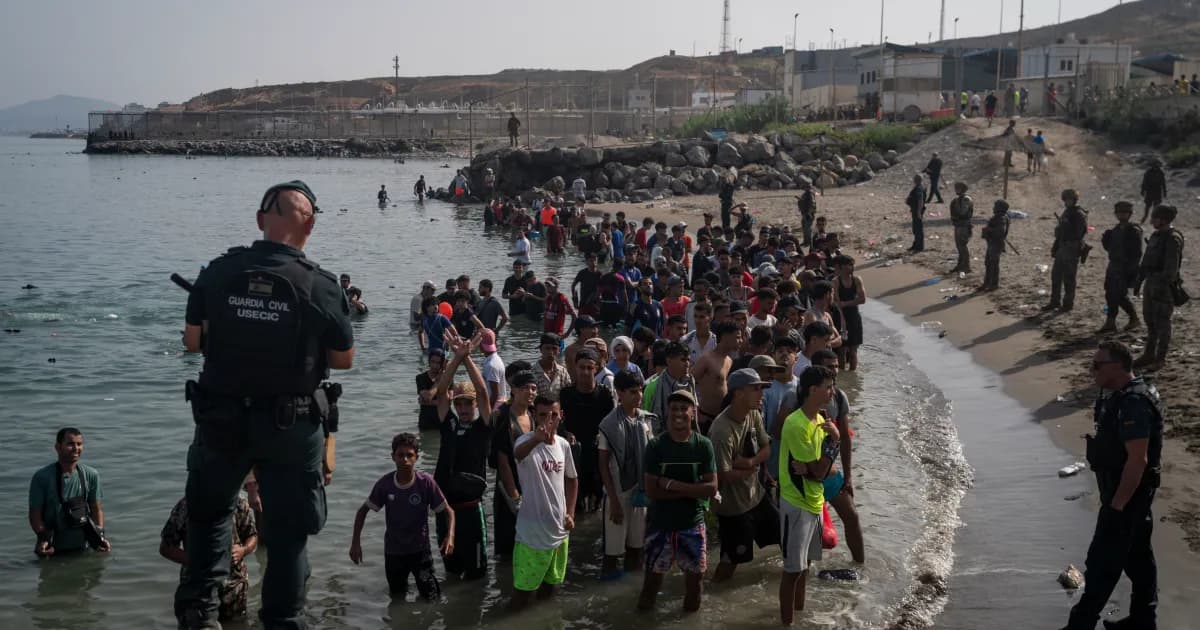
Most of the people who surged into Spain’s Ceuta enclave on Thursday had returned to Morocco by Sunday, leaving a small group on the seafront, tired, hungry and determined to stay. The rapid reversal came after about 60,000 people crossed from Morocco into Ceuta in roughly 24 hours, one of the largest migratory shocks Spain has faced at the North African border.
Spain said 57 people died in the border rush, and the toll later rose to 72. The influx pushed Spanish authorities to deploy soldiers and, after a calmer night, install a floating barrier in Ceuta. The enclave, which sits on the North African coast and borders Morocco, has long been a pressure point in Spain’s migration politics.
The crossings took place in a mix of ways: some migrants swam, some used inflatable devices, and others forced their way through barriers near Tarajal beach. Local services were quickly overwhelmed. Public-health personnel helped injured migrants on the beach, while the Civil Guard and Spanish police worked alongside the military to manage the arrivals and the fallout.
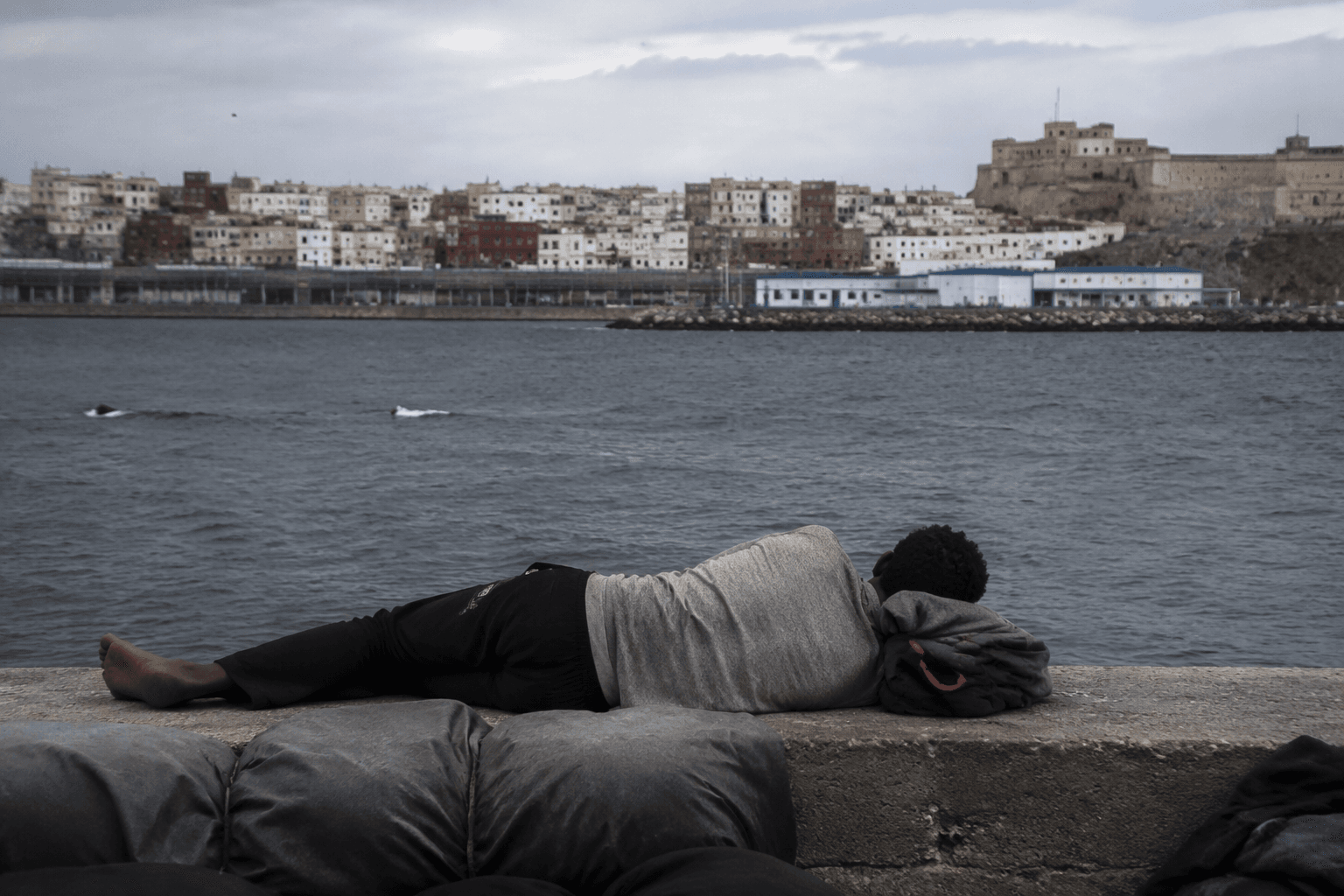
By the end of the weekend, many of those who had entered had gone back voluntarily to Morocco. Some migrants who returned said hunger and hostility pushed them to turn back. Reuters video coverage captured the desperation of the moment with one migrant saying, “I prefer to die here.” A small number still remained on the seafront in Ceuta, holding out despite exhaustion and scarce food.
The episode echoed an earlier crisis in May 2021, when about 8,000 migrants entered Ceuta in two days. Then, Spanish prime minister Pedro Sánchez traveled to the enclave and vowed to “restore order.” The scale of the new surge again exposed how quickly the Morocco-Spain border can buckle, and how fast a border emergency can become a humanitarian one.
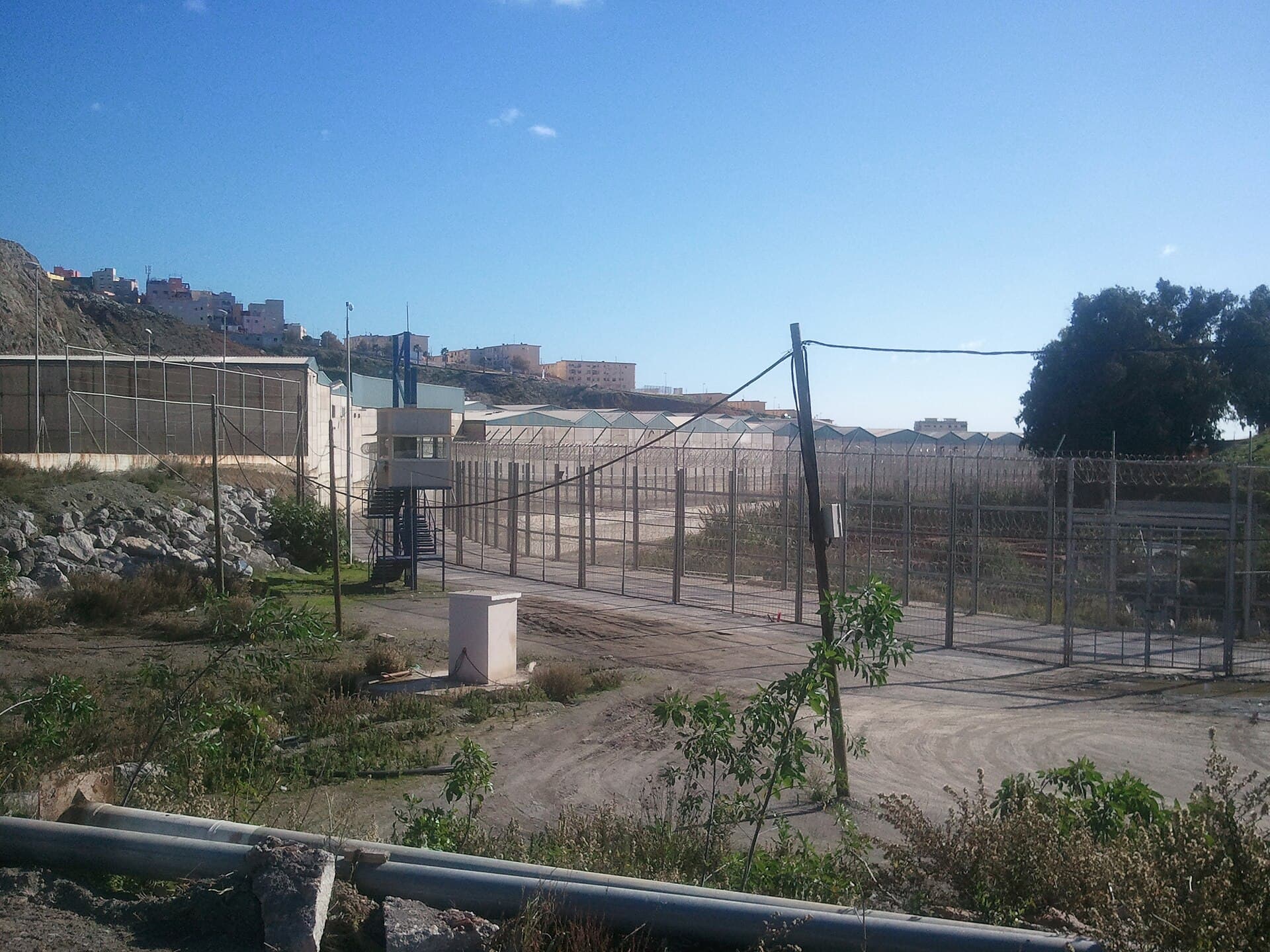
The political impact spread beyond Spain. Italy’s government moved to impose checks or suspend Schengen free travel with Spain in response to the crisis, while Ceuta’s leadership warned of a humanitarian and security emergency. The pressure on Ceuta also revived attention to Melilla and to the broader strain on asylum processing and border control along Spain’s frontier with Morocco.
This article was produced by Prism’s automated news system from verified source data, official records, and press releases, then run through automated quality and moderation checks before publishing. The system is built and supervised by the people who set the standards it runs under. Read our full AI policy.
Did this article answer your question?