Mount Dukono erupts, killing three hikers and injuring others in Indonesia
Three hikers died and five more were hurt after Mount Dukono erupted as about 20 climbers entered the closed volcano area in defiance of a ban.
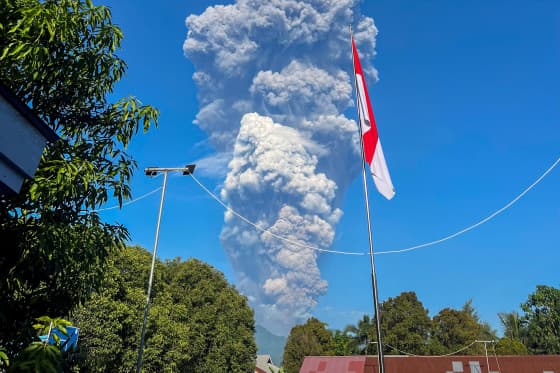
Why were hikers on Mount Dukono at all, when authorities had closed the area to visitors on April 17 and the volcano had already shown relentless activity this year? That question now hangs over a deadly eruption on Halmahera island in North Maluku province, where three hikers were killed and others were injured after the mountain blew out a column of ash about 10 kilometers, or 6.2 miles, into the sky.
Mount Dukono erupted at 7:41 a.m. local time on Friday, May 8, while about 20 hikers and climbers were still on the mountain despite safety restrictions and a climbing ban. Indonesian authorities said 17 of them were evacuated or rescued, while at least five of those brought down were injured. The dead were identified as two Singaporean nationals and one Indonesian. Reports said the group included nine Singaporeans and 11 Indonesians.
The deaths put a hard edge on the recurring debate around risk management at Indonesia’s most active volcanoes, especially when closures are already in place. Dukono has erupted nearly 200 times since March, according to CNN, making it one of the country’s most volatile peaks and a known hazard for anyone venturing near its slopes. The volcano stands about 1,355 meters high, and its latest eruption sent a thick plume skyward before rescue teams continued searching for missing hikers.
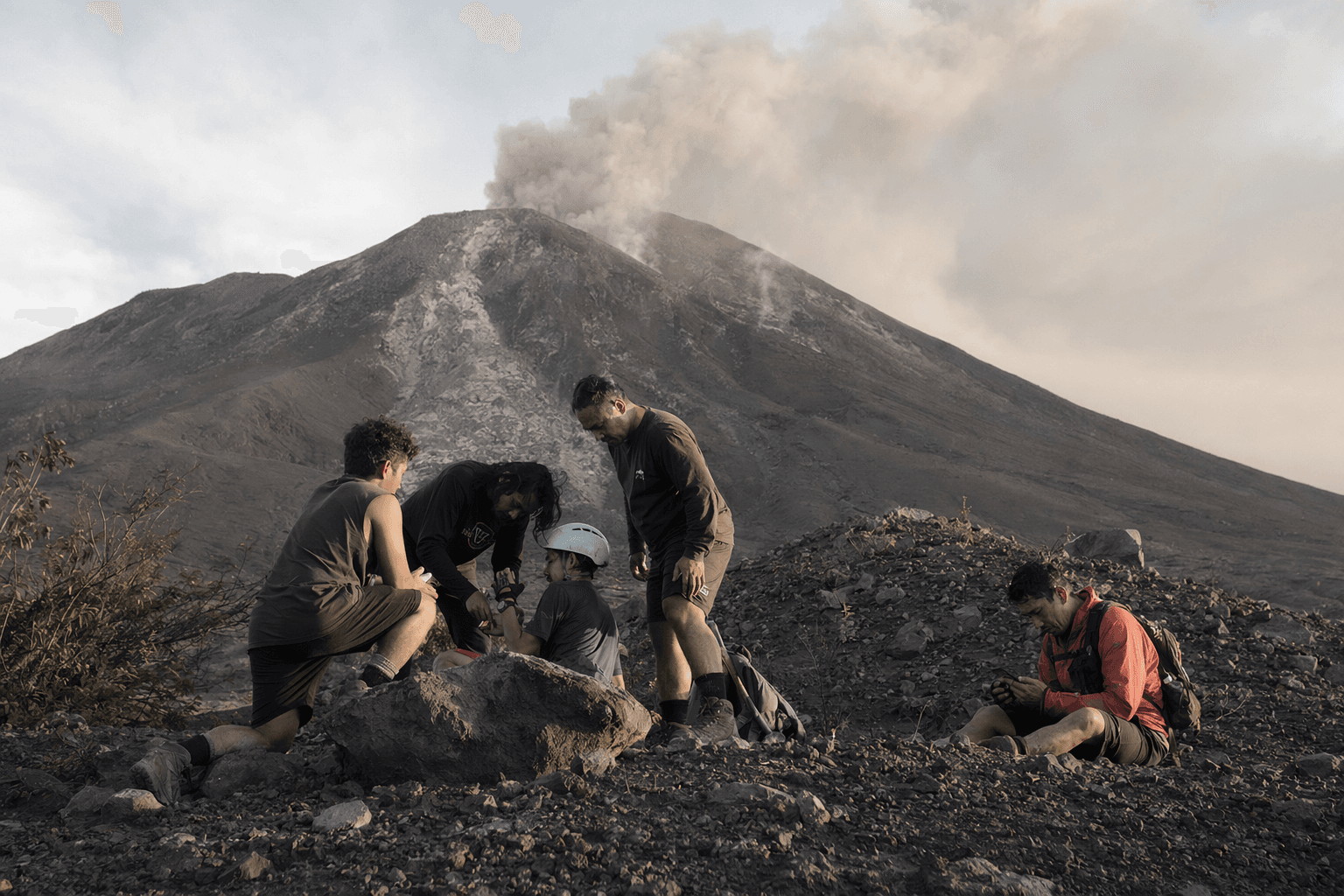
Authorities also warned of broader danger beyond the trail itself. Indonesia’s Geological Agency kept issuing notices through its MAGMA and Volcano Observatory Notice for Aviation system, which tracks volcanic unrest, hazards and likely outcomes for aviation and nearby communities. The eruption’s ash cloud raised the possibility of disruption well beyond the mountain, underscoring how a single decision to ignore a closure can ripple into rescue operations, medical care and air safety.
The episode now turns attention to enforcement, tour oversight and evacuation readiness at one of Indonesia’s most active volcanoes. For the families of the dead and injured, the consequences were immediate. For officials, the unanswered question is whether the warning signs were not enough, or whether they were simply not heeded.
This article was produced by Prism’s automated news system from verified source data, official records, and press releases, then run through automated quality and moderation checks before publishing. The system is built and supervised by the people who set the standards it runs under. Read our full AI policy.
Did this article answer your question?