Mount Vernon distillery revives George Washington’s whiskey legacy
Mount Vernon turned Washington’s whiskey business into a working attraction, blending heritage tourism, premium spirits and a lucrative founding-era brand.
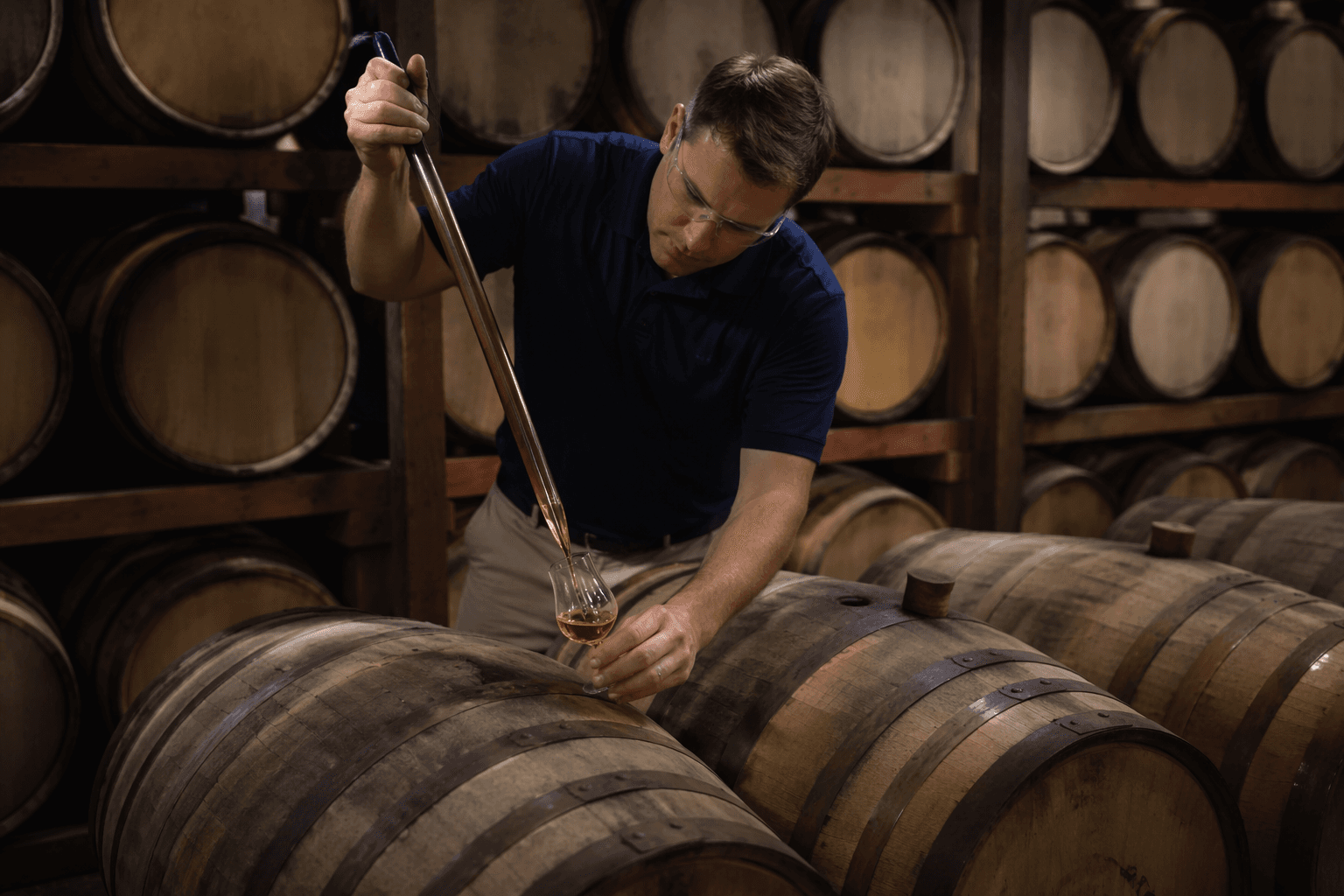
George Washington’s whiskey distillery is no museum relic. The rebuilt operation at Mount Vernon turns an 18th-century commercial enterprise into a modern draw, where visitors can tour, taste and buy spirits that promise a literal connection to the republic’s origins. It is also a revenue engine: Mount Vernon says whiskey sales have raised nearly $1.5 million for preservation and education.
A founder who ran a serious spirits business
Washington agreed to build a large distillery over the winter of 1797 to 1798, and by spring 1798 it was operating on the estate. The original building measured 75 feet by 30 feet and housed five copper pot stills and a boiler, a scale that put it among the biggest whiskey operations in the country at the time. In 1799, the year Washington died, the distillery produced 10,942 gallons of whiskey valued at $7,674, with more than 80 recorded transactions.
Those figures matter because they show the enterprise was not a gentleman’s pastime. Washington paid $332.64 in annual excise taxes on the distillery in 1799, a reminder that this was a taxable business selling into the market. Customers included neighboring farmers, merchants, family members and Mount Vernon overseers, which places the operation squarely inside the commercial life of northern Virginia rather than some self-contained estate ritual.
How the distillery came back
The reconstructed distillery opened to visitors in 2007 after about 10 years of research, excavation and reconstruction. Mount Vernon built it on the original site, just 2.7 miles from the estate’s main entrance outside Washington, D.C., so the experience sits physically close to the mansion while still feeling like a separate stop in the wider estate landscape. The project was supported in part by a $2.1 million grant from the Distilled Spirits Council of the United States, an early sign that modern spirits money saw value in restoring Washington’s production story.
That rebuilding did more than recreate a building. It restored a working piece of the estate’s industrial past, including the gristmill and the distillery as visitor attractions that interpret how grain became whiskey in Washington’s day. The original distillery had disappeared after later burning, so the reconstruction filled in a gap left by both time and fire, bringing archaeology into the service of public history.
From estate output to branded whiskey
Mount Vernon began producing small-batch spirits there in 2010 using George Washington’s recipe. Today the estate makes limited batches of both aged and unaged whiskey, including George Washington’s Rye Whiskey, prepared in the traditional 18th-century way. That shift from historical reconstruction to retail product is the heart of the operation’s appeal: visitors are not only watching a past industry, they are buying into it.
The numbers help explain why the model works. The historic distillery ran five copper pot stills for 12 months a year, and in 1799 it produced nearly 11,000 gallons. Translating that scale into small-batch releases lets Mount Vernon sell scarcity, craftsmanship and authenticity at the same time, which is exactly the formula that has made premium spirits one of the strongest heritage categories in American consumer culture.
Why the story still sells
The distillery’s revival has helped recast Washington as an entrepreneur as much as a general or president. That matters because the whiskey business sits at the center of one of the earliest and most forceful economic showdowns in U.S. history: the Whiskey Rebellion. In 1794, Washington led about 13,000 troops to suppress the uprising, a move that tied federal authority to the production and taxation of distilled spirits from the nation’s earliest years.
That history gives Mount Vernon’s whiskey a broader narrative charge. The modern bottles are not just souvenirs; they are products embedded in a story about taxation, land, labor and state power, all reframed for an audience that wants its consumption to carry meaning. In that sense, the distillery works as both an economic asset and a mythmaking machine, converting the founding era into something visitors can walk through, sample and take home.
A site built for tourism and preservation
The reconstructed distillery has welcomed more than half a million visitors since opening, evidence that the appeal extends well beyond whiskey buyers. Visitors come for the machinery, the setting and the chance to see a working interpretation of an 18th-century plantation industry, but they also support the estate’s broader preservation mission. The nearly $1.5 million raised by spirits sales helps fund that work, linking retail demand directly to maintenance, programming and public interpretation.
The distillery’s afterlife also stretches through the family that inherited it. After Washington’s death, the original operation continued under his nephew Lawrence Lewis and Lewis’s wife, Nellie Curtis Lewis, and it lasted until at least 1808 before the later fire erased the building from the landscape. Reconstruction did not simply restore a structure; it returned a profitable, historically grounded business to the estate and made it part of the Washington brand now sold to tourists, collectors and consumers who want a taste of the republic’s beginnings.
This article was produced by Prism’s automated news system from verified source data, official records, and press releases, then run through automated quality and moderation checks before publishing. The system is built and supervised by the people who set the standards it runs under. Read our full AI policy.
Know something we missed? Have a correction or additional information?
Submit a Tip