Mountbatten Trials Silent Foam Pickleballs to Address Noise Complaints
Mountbatten residents tested high-density foam silent pickleballs to reduce the sharp pop of plastic balls and ease neighbour noise complaints.

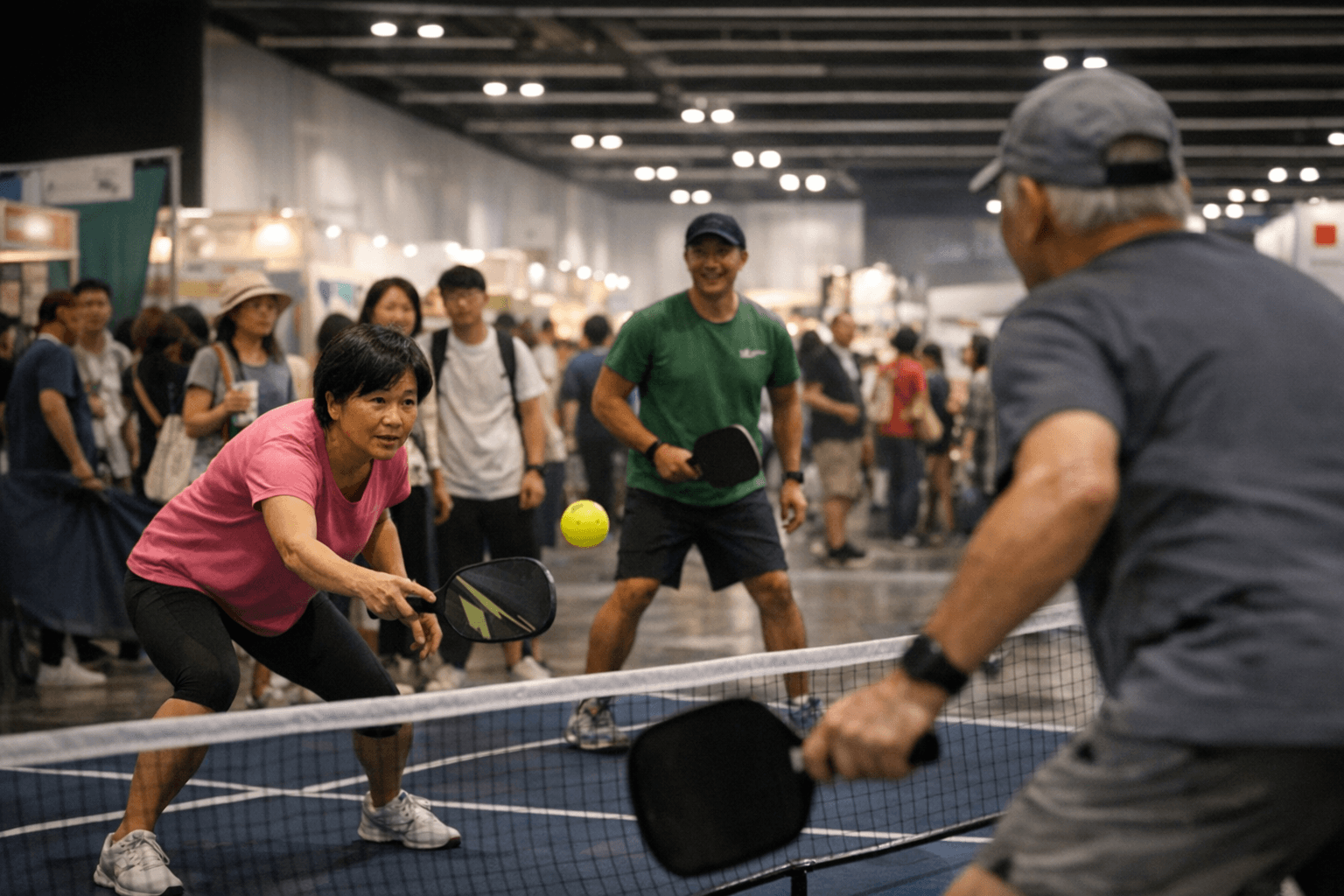
A community trial at Mountbatten Community Club aimed to quiet Singapore’s fastest-growing backyard sport by swapping out the characteristic plastic pop for high-density foam. Organisers distributed foam "silent" pickleballs to more than 120 participants during a Jan 11 try-out designed to respond to neighbour noise complaints and test whether quieter play could coexist with community courts.
The trial was framed as a practical experiment rather than a rule change. Mountbatten MP Gho Sze Kee said the initiative responds to resident feedback, and organisers reported the foam balls cut noise substantially, down to near conversational levels. That immediate reduction in impact sound addresses a common flashpoint in high-density housing where late-afternoon and evening play can collide with nearby households.
On court the difference was obvious. Players traded the sharp crack of hard plastic for muted thuds and a softer flight, and organisers noted the change affected ball speed, spin and overall dynamics. Scrimmage sessions moved toward steadier exchanges rather than explosive power plays, with teams adapting tactics to placement and control. That evolution makes silent foam balls a natural fit for recreational and community programming, where accessibility and neighbourly coexistence matter more than tournament-grade performance.
The shift has implications across the sport’s ecosystem. For local clubs and community centres, foam balls offer a tool to reduce conflicts and expand court hours without triggering complaints. For coaches and players, training with foam balls calls for adjusted drills and an emphasis on fundamentals rather than raw pace. Manufacturers and suppliers may see a nascent market for quieter equipment tailored to parks-and-recreation use, while competitive organisers will likely maintain a clear divide between foam and standard plastic play to protect elite-level standards for speed and spin.
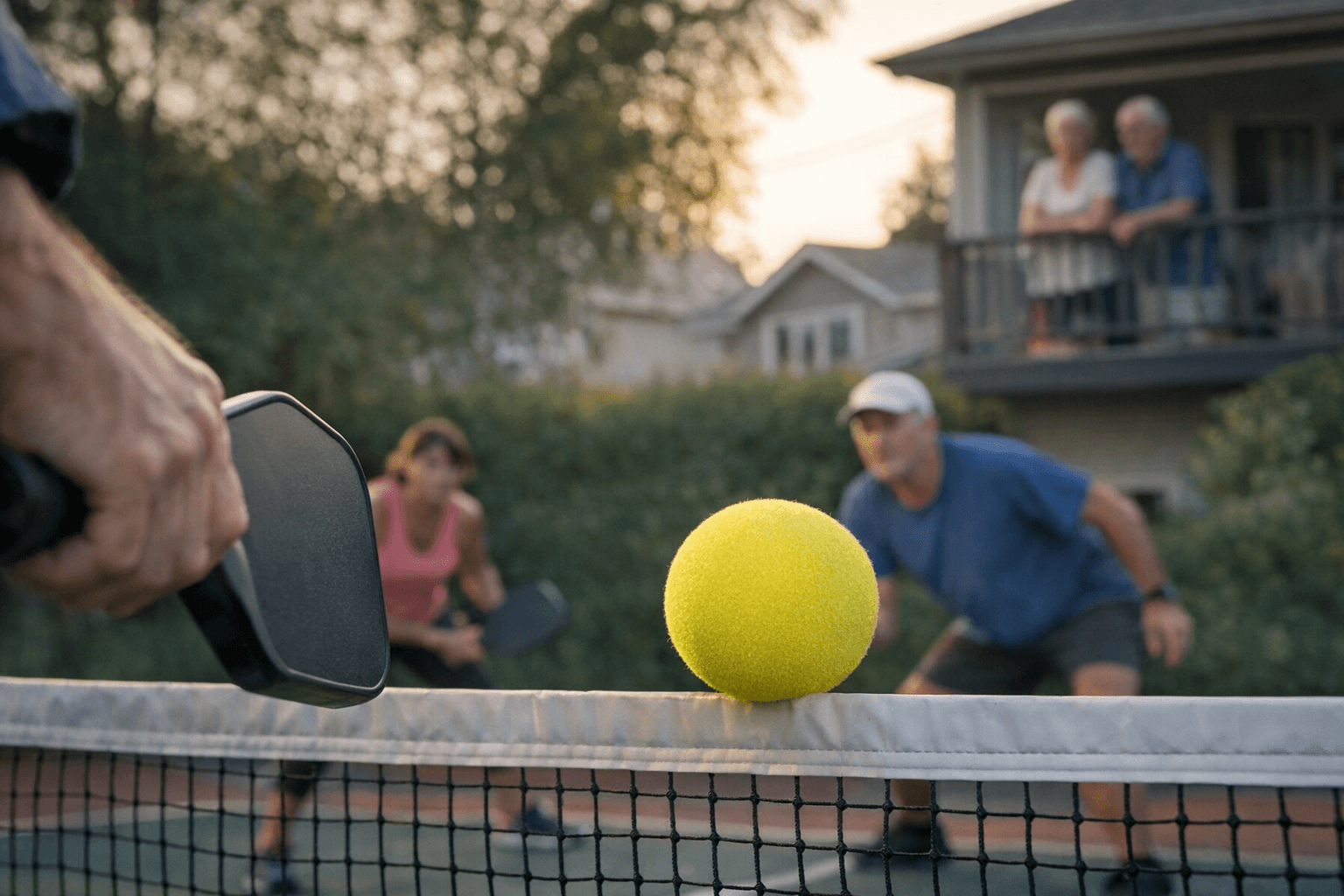
Culturally the experiment reflects pickleball’s unique role in Singapore’s community life. The sport has become a cross-generational meeting ground, and finding ways to keep courts open while respecting shared living spaces is as much about social diplomacy as it is about equipment. The trial signalled a willingness among players, MPs and grassroots organisers to innovate around etiquette and technology, reinforcing pickleball’s community-first identity.
Mountbatten plans further events, including a silent-pickleball tournament, to refine the format and test broader uptake. For players and community managers across Asia, the outcome will be instructive: quieter balls could ease friction in dense urban neighbourhoods and help preserve court access, while preserving the sport’s signature camaraderie at a slightly gentler volume.
Sources:
Know something we missed? Have a correction or additional information?
Submit a Tip