Moving to All-Grain Brewing: Systems, Gear, and Practical Budgeting
Moving from extract to all-grain brewing gives brewers more control over flavor, efficiency, and recipe flexibility, but it also requires new choices in equipment and process. This practical guide explains system types, core components, budget tiers, buying priorities, and process essentials so brewers can plan a reliable 5-gallon all-grain setup and grow from there.
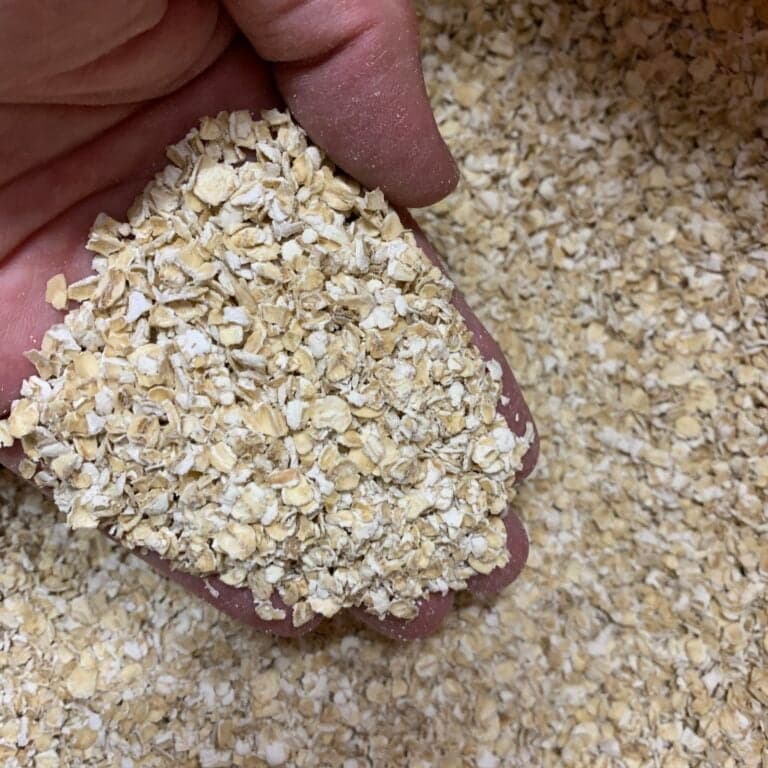
Stepping up to all-grain brewing is one of the most impactful moves a homebrewer can make. The change shifts control from pre-malted extracts to your own mash, meaning better ability to dial in flavor, tweak efficiency, and scale recipes. It also changes the equipment and space needs, so planning matters.
System selection sets the tone. Brew-in-a-Bag, or BIAB, uses a single vessel and a mash bag and offers the lowest equipment cost, smallest footprint, and fastest learning curve. Tradeoffs include heavier lifting for full-volume batches and less separation control than multi-vessel approaches. Three-vessel systems that separate mash, lauter, and kettle steps, and two-vessel systems such as HERMS and HWE, provide better process control and easier replication, but add plumbing and cost. Converted electric kettles and breweries with electric controllers from makers like Ss Brewtech, Spike, and Blichmann deliver precise temperature control and automation for step mashes, at higher upfront cost and a steeper learning curve.
Core equipment for reliable 5-gallon / 19 L all-grain batches starts with a mash tun, an insulated cooler or converted stainless vessel fitted with a false bottom or bazooka screen. BIAB alternatives use a large kettle and a fine nylon bag. A stainless brew kettle in the 10–15 gallon range (40–60 L) leaves necessary headspace for boilovers. Choose a high-output gas burner for outdoor setups or an electric element and controller for indoor brewing. A grain mill is optional; pre-milled grain works, but a small mill improves freshness and crush consistency and can boost efficiency. Add a precise thermometer, a long-handled mash paddle, a hydrometer or refractometer for gravity readings, and a wort chiller, immersion or plate, to minimize DMS and infection risk. Fermentation vessels can be glass, plastic, or stainless conicals depending on budget and space, and pumps and quick-connect plumbing are useful upgrades for frequent brewers.
Budget expectations vary widely. A budget BIAB rig typically runs $150–$400, a mid-tier full-volume BIAB or basic two-vessel setup sits in the $400–$1,200 range, and pro-style electric systems start around $1,500 and can exceed $6,000 with stainless vessels, PID controllers, pumps, and plate chillers.
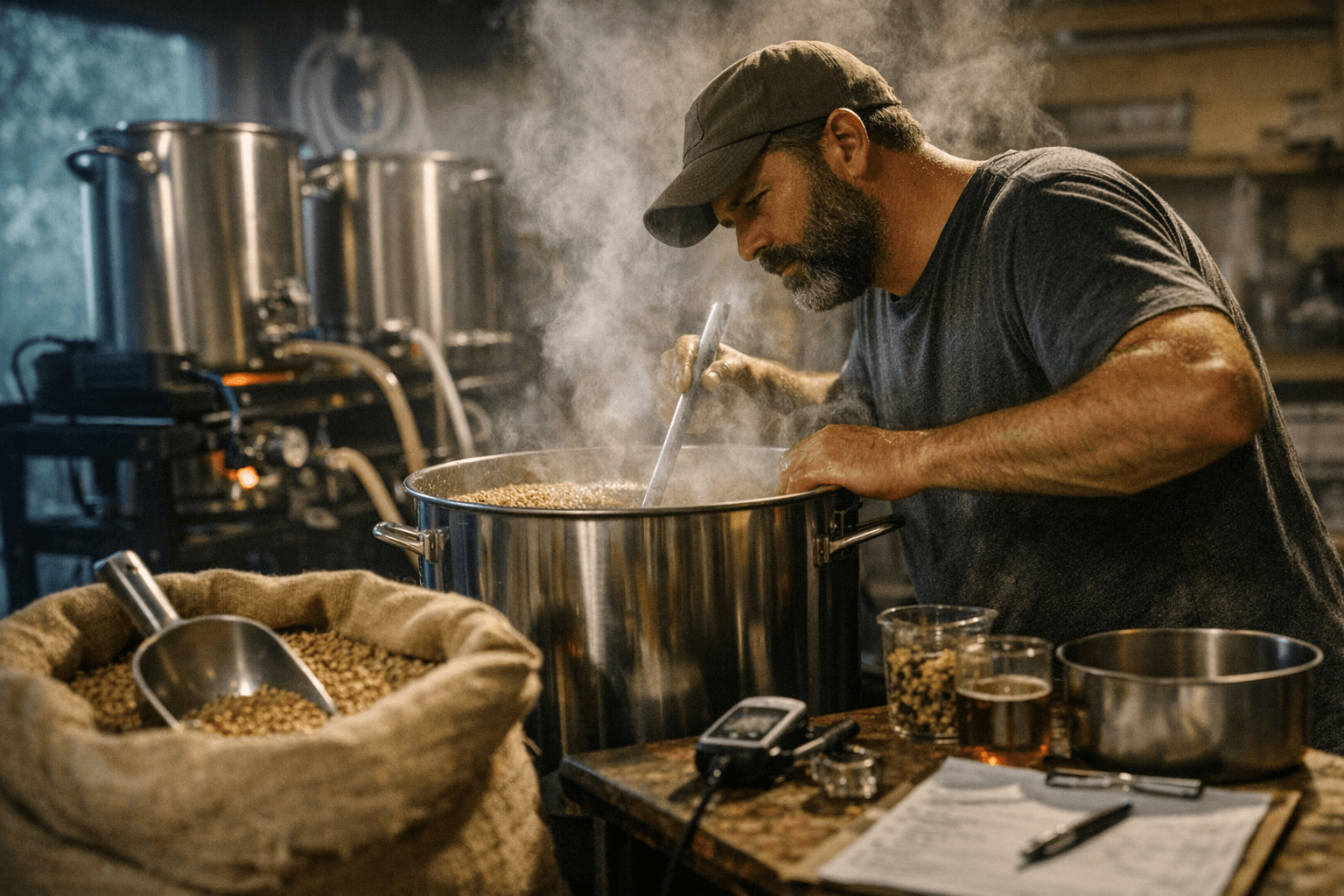
Practical buying and workflow priorities simplify decision making. Start with what you can store and lift and plan ventilation for any gas burner. Prioritize a robust kettle and a reliable chiller; they affect sanitation and final beer quality most. If cash is tight, begin BIAB on a gas burner and upgrade incrementally. Buy a good thermometer and a refractometer or hydrometer early, accurate measurements save guesswork. If you plan frequent brewing and scaling, invest in a pump and quick-connect fittings to reduce process time and splashing.
Process essentials include learning strike temperature calculations that account for grain absorption and tun loss, and using a single infusion mash such as 152°F / 67°C for 60 minutes for most American ales. Decide whether to sparge or run no-sparge BIAB batches. Chill wort quickly, aerate well before pitching, and control fermentation temperature with a dedicated fridge or controller for best results.
Measure available space, choose a batch size you can lift and store, and favor modular gear that can be upgraded. Record every brew, iterate on technique, and upgrade equipment as brewing frequency and goals grow. All-grain rewards patience and precise process more than expensive gear alone.
Know something we missed? Have a correction or additional information?
Submit a Tip