MPs launch inquiry into student loans, debts and repayment fairness
MPs opened a fairness probe into student loans as debts top £50,000 and repayment terms tighten, with many graduates saying the degree no longer adds up.
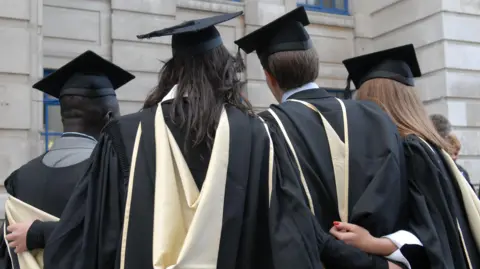
Parliament has opened a fresh test of higher education’s promise: whether a degree still delivers a fair financial return once debt, interest and repayments are taken into account. The Treasury Committee launched its inquiry into student loans and the broader taxation of graduates on 12 March 2026, amid growing anger over what many borrowers see as a moving set of goalposts.
The committee said it will examine whether repayment terms are reasonable and proportionate, and whether graduates are being treated fairly once they leave higher education. It will not look at university funding or the administration of individual loans. Instead, it will focus on the burden created by the current system, including a repayment threshold of £28,470, above which borrowers pay 9% of earnings. That threshold will also be frozen for three years from April 2027, after the Chancellor’s announcement at the 2025 Budget.
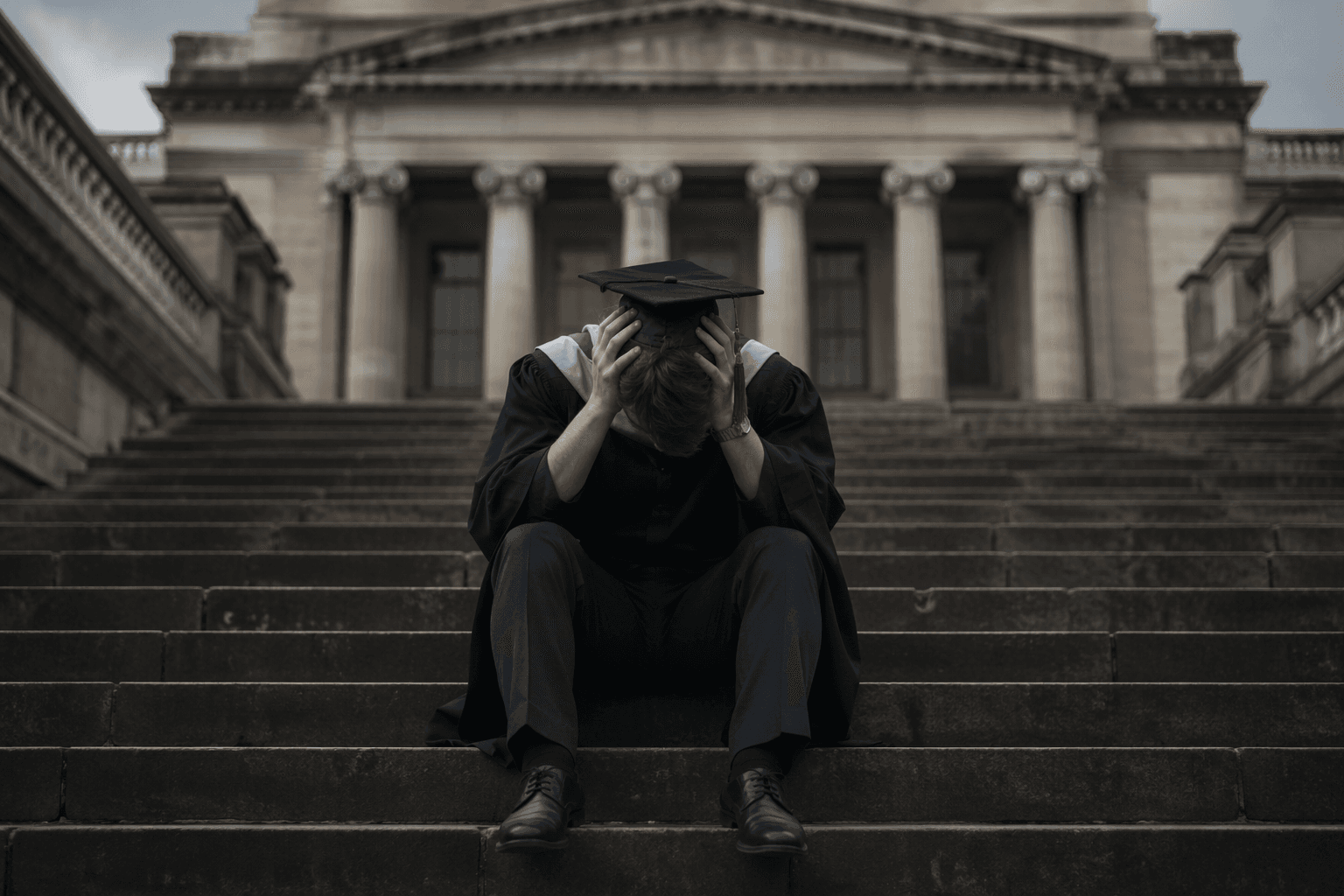
Dame Meg Hillier, the committee chair, said the inquiry is about fairness and whether the goalposts have been moved unfairly for graduates. She pointed to higher interest rates and, in some cases, particularly high marginal tax rates as drivers of dissatisfaction, warning that the burden may be falling unfairly on younger people.
The stakes are clear in the numbers. The Institute for Fiscal Studies says students now leave university with more than £50,000 in student loan debt. The committee is inviting views from anyone aged 16 and over through an online survey, asking whether people would take out the loan today and whether repayments materially affect financial planning.
The inquiry lands as public confidence in university weakens. A major survey found 34% said university is not worth going to in 2025, up from 15% in 2005. Over the same period, the share who believed graduates are better off in the long run fell from 50% to 36%. A separate YouGov survey of almost 1,000 home undergraduates in England and Wales found 66% thought the standard of education and the wages graduates earn were not enough to justify the cost, while only 15% said degrees were worth the money.
Other research shows the picture is more complicated. King’s College London Policy Institute found 81% of graduates still said their degree was worth it overall, but nearly a third said their career prospects had not been enhanced by university. Around three in five graduates who started after £9,000 fees were introduced in England still reported significant debt. The committee now has a political and economic question to answer: at what point does higher education stop paying its way?
This article was produced by Prism’s automated news system from verified source data, official records, and press releases, then run through automated quality and moderation checks before publishing. The system is built and supervised by the people who set the standards it runs under. Read our full AI policy.
Did this article answer your question?

