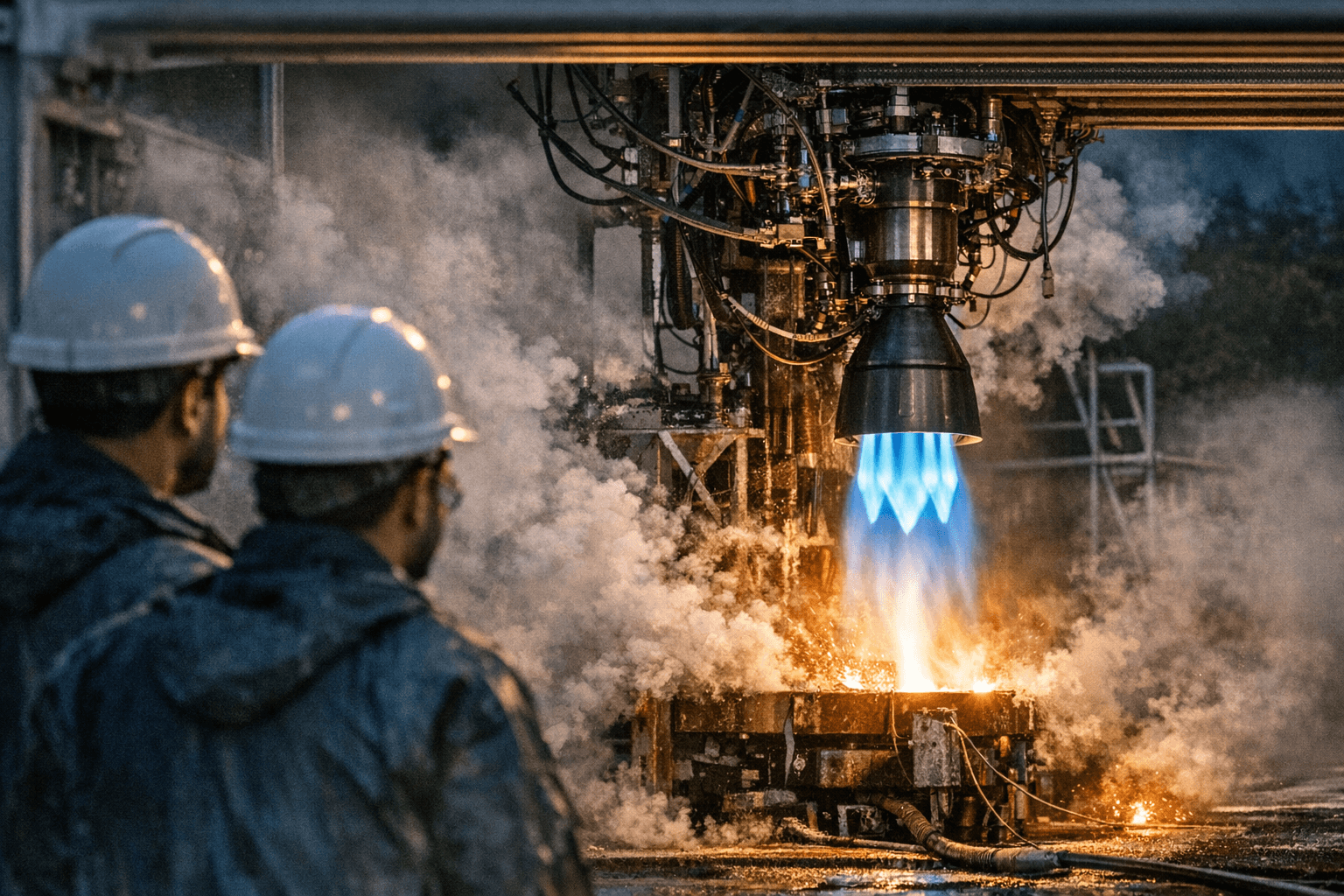
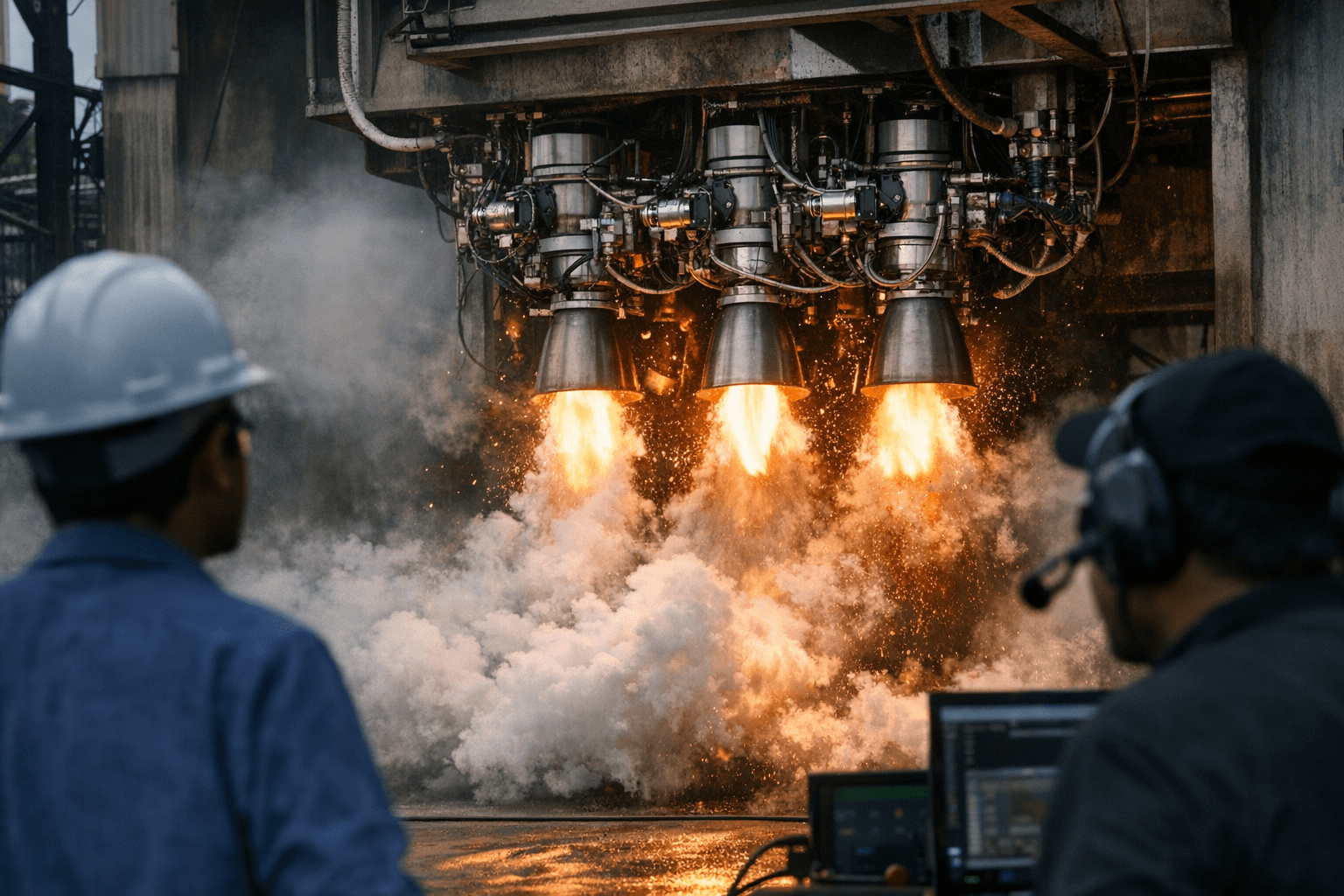
MTP unveils AdditiveM physics-based AI platform for predictive metal AM modeling
MTP's AdditiveM promises qualification-grade, physics-based AI models for metal AM that the company says can run on standard engineering workstations and high-end personal laptops.
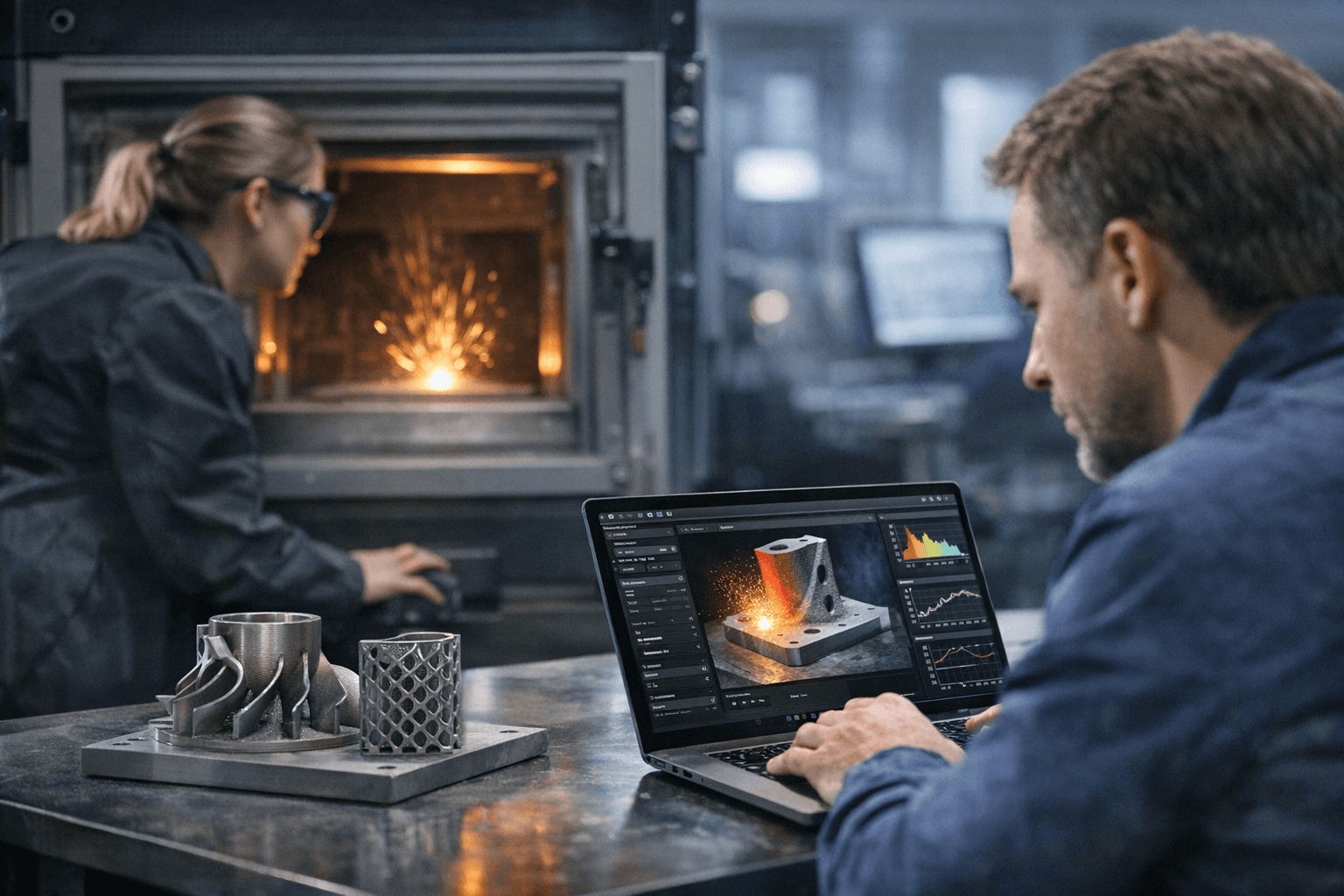
Manufacturing Technology Project (MTP), an American deep-tech startup led by President & Tech Strategist Hamed Hosseinzadeh, has introduced AdditiveM, a physics-based simulation and AI platform positioned as the company’s first flagship product for predictive modelling in metal additive manufacturing, the company told 3Dnatives in a #3DStartup interview with Hosseinzadeh.
Hosseinzadeh framed MTP’s mission in explicit engineering terms. “I founded MTP to bridge the gap between high-fidelity physics and real-world manufacturing practice. The vision was to create a new generation of engineering tools that combine multiphysics simulation, Physics-Based AI, and digital twin technologies to enable predictive modeling, process optimization, and eventually autonomous control of manufacturing systems,” he told 3Dnatives, identifying multiphysics simulation and Physics-Based AI as the core stack behind AdditiveM.
MTP described AdditiveM as “qualification-grade process and performance modeling for metal additive manufacturing,” and said the platform is designed to move metal AM away from experimentation. “The main benefit of AdditiveM is that it transforms metal additive manufacturing from a trial-and-error process into a predictive, physics-based, AI-assisted digital twin workflow, while remaining computationally efficient enough to run on standard engineering workstations and even high-end personal laptops,” the company told 3Dnatives, adding that one primary feature is that the simulation platform improves the performance of 3D printing processes.
The company positioned AdditiveM as more than a solver. “AdditiveM will not be just a simulator; it will evolve into a Physics-Based Digital Twin platform enhanced by AI. It is being developed to support design, process optimization, qualification, and ultimately closed-loop, intelligent control of metal additive manufacturing systems,” MTP said in the interview, and 3Dnatives noted the product “addresses four fundamental challenges,” though the supplied excerpt does not list those four challenges.
MTP’s announcement arrives as hardware vendors push AI-enabled qualification claims. TCT reported that Precision Additive launched the PA-300 metal AM system using Scanning Super Laser Melt SSLM technology and an “AI architecture” based on NVIDIA technology, with the PA-300 marketed for high-quality, qualification-ready components in defence, aerospace, energy and medical industries. That February 02, 2026 report by Sam Davies underscores a broader market emphasis on AI for qualification-ready metal AM systems.
The company did not provide several key commercial and technical details in the 3Dnatives excerpt. The interview did not include an official launch or availability date for AdditiveM, pricing or licensing model, names of pilot customers or partners, validated material lists or supported machine models, or the explicit list of the “four fundamental challenges” the product claims to solve. MTP also did not share third-party validation, certification targets, compute benchmarks beyond the claim about workstations and high-end laptops, or integration specifics for CAD, MES, or control systems.
Hosseinzadeh’s stated roadmap ties AdditiveM to closed-loop intelligent control and autonomous production, a shift that will require the validation, machine integrations, and certification steps MTP has not yet disclosed. The company’s combination of multiphysics simulation, Physics-Based AI, and digital-twin framing places it squarely in the same market conversation as systems like Precision Additive’s PA-300, but verification of AdditiveM’s qualification-grade performance will depend on forthcoming demos, customer pilots, and technical data from MTP.
Know something we missed? Have a correction or additional information?
Submit a Tip