Multi-Agency Trust Board Oversees Ebey’s Landing Reserve and Visitor Resources
A multi-agency trust board coordinates management of Ebey’s Landing Reserve, guiding visitor planning, safety notices and partnerships that affect access and local farms.

Ebey’s Landing National Historical Reserve on central Whidbey Island is overseen through a multi-party Trust Board that coordinates visitor services, preservation and partnerships across public and private lands. The National Park Service provides a centralized set of resources for planning visits, posting safety notices such as erosion warnings on the Bluff Loop trail, and sharing Trust Board meeting information and links to partner sites including Fort Casey, Fort Ebey and Ebey’s Landing State Park.
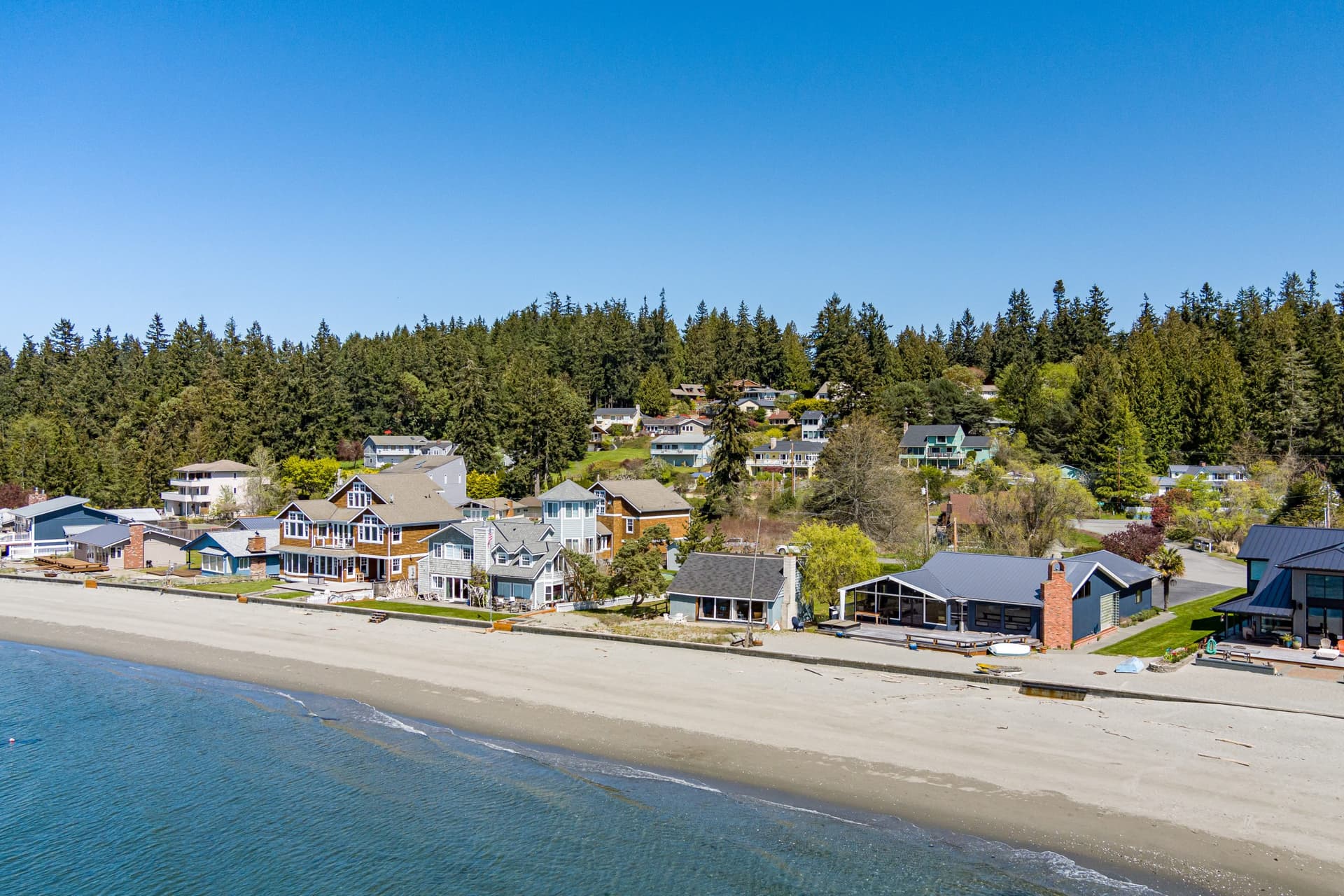
The Reserve protects a broad cultural and agricultural landscape that includes historic Coupeville, working farms and public trails. Management through the Trust Board brings together local, county, state and federal entities to balance recreation, heritage tourism and private land uses. For Island County residents and businesses that rely on recreation and heritage visitors, those governance choices shape parking, trail maintenance and seasonal access to on-site historic buildings.
Practical visitor guidance on the NPS site emphasizes access routes and expectations. Directions available for reaching the Reserve recommend travel via SR-20 or the Mukilteo–Clinton ferry, and resources note parking hints and seasonal hours for historic sites. Crucially, the site reminds visitors that much of the Reserve is privately owned and that people should stay on public paths. That reminder has immediate implications for visitor behavior, liability and the day-to-day operations of working farms that sit within the protected landscape.
From an economic perspective, Ebey’s Landing functions as both a heritage destination and a driver of local spending on lodging, dining and outdoor recreation. The Trust Board model spreads responsibility for resource stewardship and visitor management across jurisdictions, which can improve coordination but also requires ongoing funding and policy alignment. For island residents, coordinated messaging on trail cautions and parking helps reduce conflicts with private landowners and supports the farm-dependent character that distinguishes the Reserve.
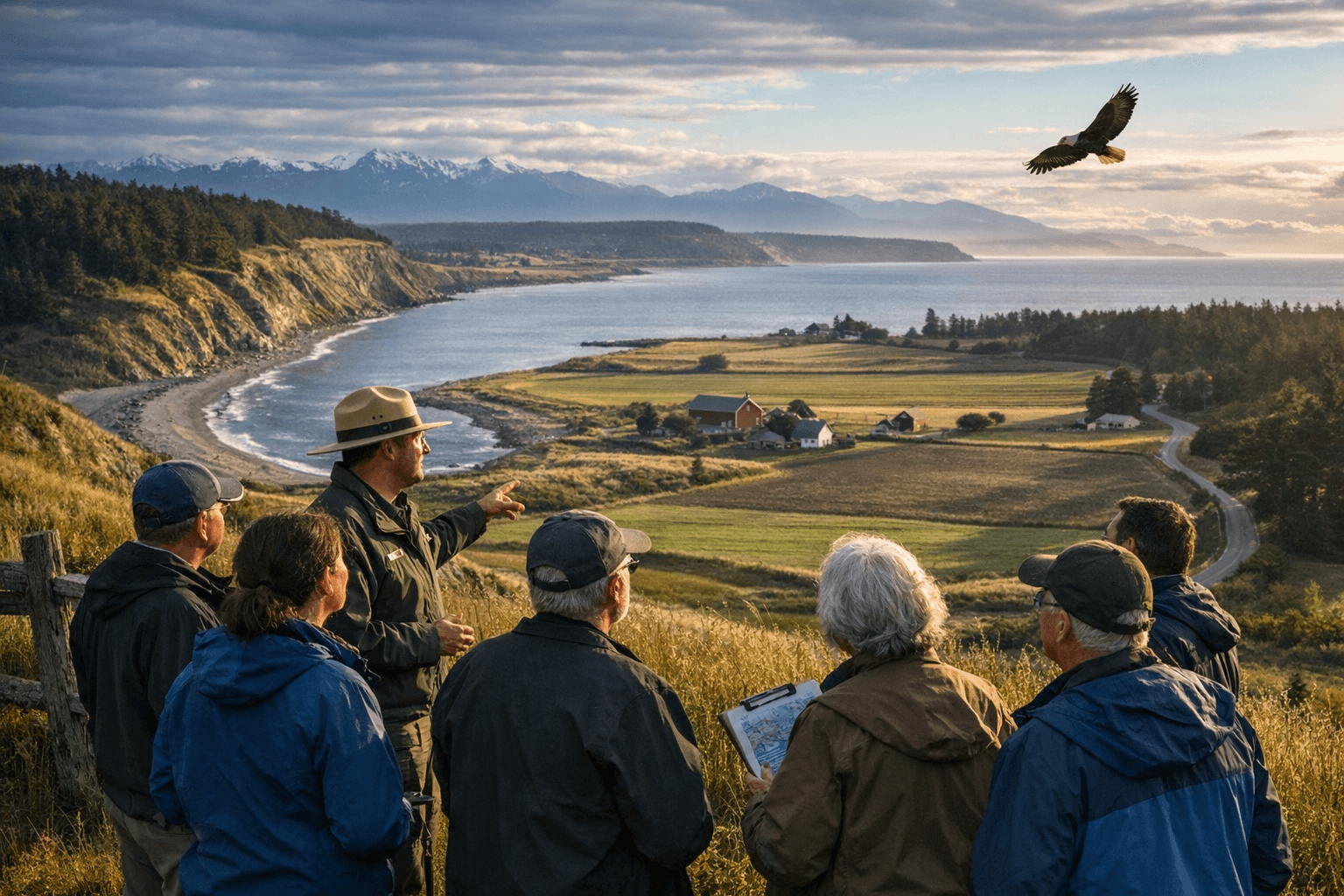
Trust Board meeting information posted by NPS creates transparency about planning and stewardship decisions. For community members tracking land use, conservation easements or seasonal events in Coupeville and surrounding areas, those meetings are a primary venue where public input can influence maintenance priorities and visitor services.
For Islanders who use the Reserve for recreation or run businesses that serve visitors, the Trust Board arrangement means clearer rules and shared responsibility — but also a need to stay informed. Before heading out, check the NPS visitor resources for route options, parking guidance, seasonal hours and trail cautions such as Bluff Loop erosion; monitor Trust Board notices to follow changes that may affect access and local operations.
Sources:
Know something we missed? Have a correction or additional information?
Submit a Tip