Mumbai’s dabbawalas face decline as remote work cuts demand
Remote work has thinned Mumbai’s lunchbox runs, forcing dabbawalas to chase bonuses, side work and new delivery models.
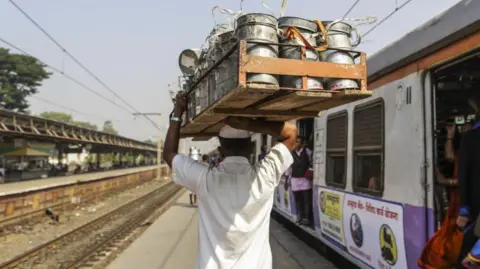
Remote work and rising delivery costs are squeezing Mumbai’s dabbawalas, a lunchbox network that has operated since 1890 and built a global reputation on precision. About 5,000 dabbawalas still move roughly 200,000 lunchboxes a day across the city, but the decline in office commuting has cut into the steady demand that once sustained the system.
The pandemic marked the sharpest break. Lockdowns shut offices, reduced customers and disrupted the business hours that had long anchored the route network from homes to workplaces and back again. As hybrid work has persisted, dabbawalas have said fewer people now need midday meals carried to fixed office addresses, and some workers have sought other employment as the customer base has thinned.
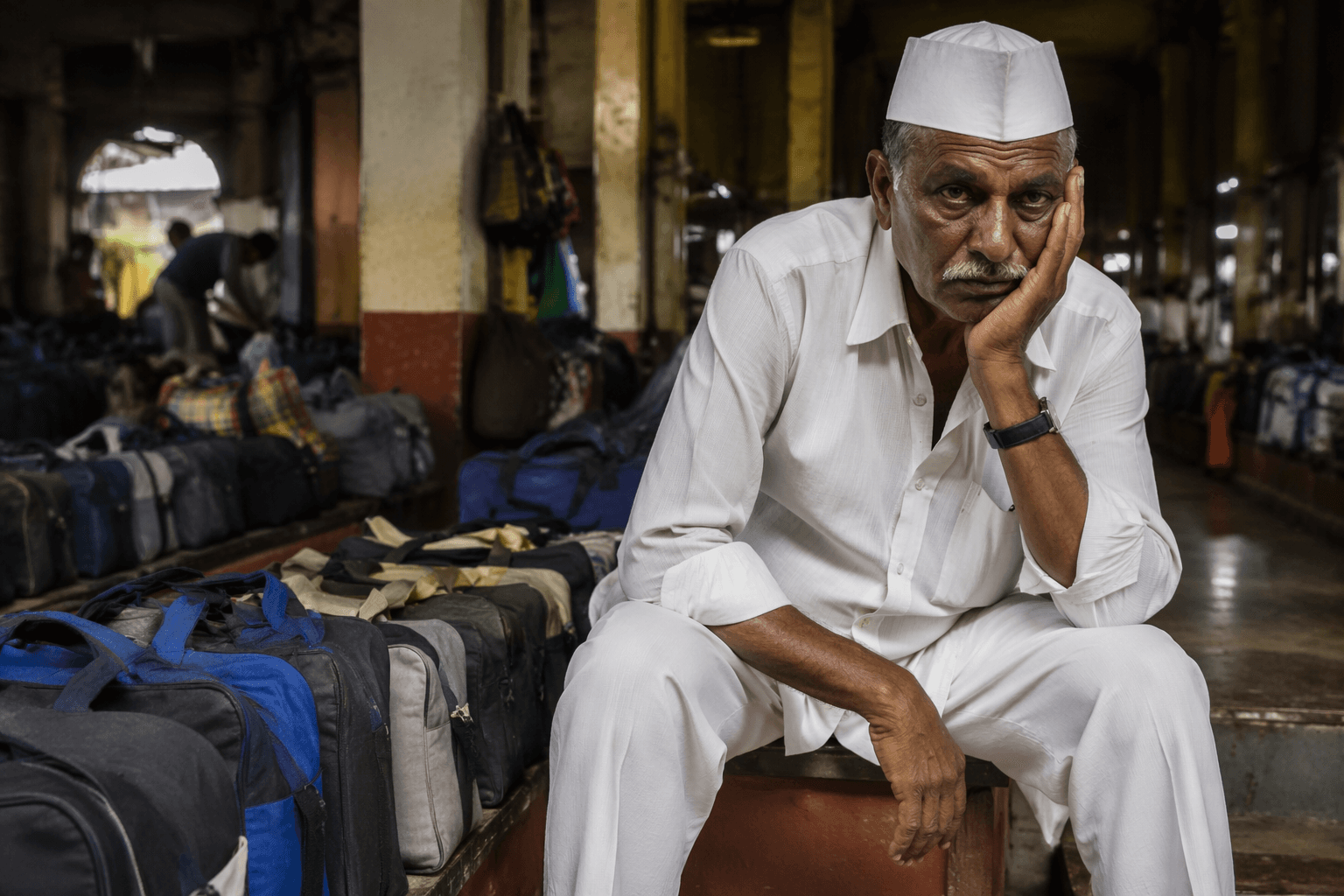
The strain has also shown up in the labor politics of the trade. In November 2023, the Mumbai Dabbawala Association asked customers for a Diwali bonus and urged them not to deduct pay for festival closures. Association president Subhash Talekar said dabbawalas typically receive only six to seven holidays a year and pressed customers to contribute one month’s salary as a bonus, underscoring how tightly many workers remain tied to small margins and seasonal goodwill.
What makes the decline more consequential is the role the dabbawala system has played in Indian and global management studies. Harvard Business School has long held it up as an example of meticulous coordination, with small self-managed teams and performance described as near six-sigma. That reputation helped turn a local labor network into a case study in low-cost urban logistics. Now the same model is being tested by a city whose work patterns have changed and by a delivery economy where wages, fuel and handling costs continue to climb.
The pressure has pushed the network to adapt. Recent reporting and case material show dabbawalas experimenting with restaurant partnerships and parcel and app-based services as lunchbox demand weakens. Business commentary in 2025 also pointed to the challenge from quick commerce and the economics of modern delivery, which are forcing even a historically efficient system to prove it can survive beyond the office lunch hour. For Mumbai, the dabbawalas’ decline is more than a labor story. It is a sign that the post-pandemic city no longer moves on the same schedule, and that even the most celebrated informal systems must now fight to stay relevant.
This article was produced by Prism’s automated news system from verified source data, official records, and press releases, then run through automated quality and moderation checks before publishing. The system is built and supervised by the people who set the standards it runs under. Read our full AI policy.
Did this article answer your question?