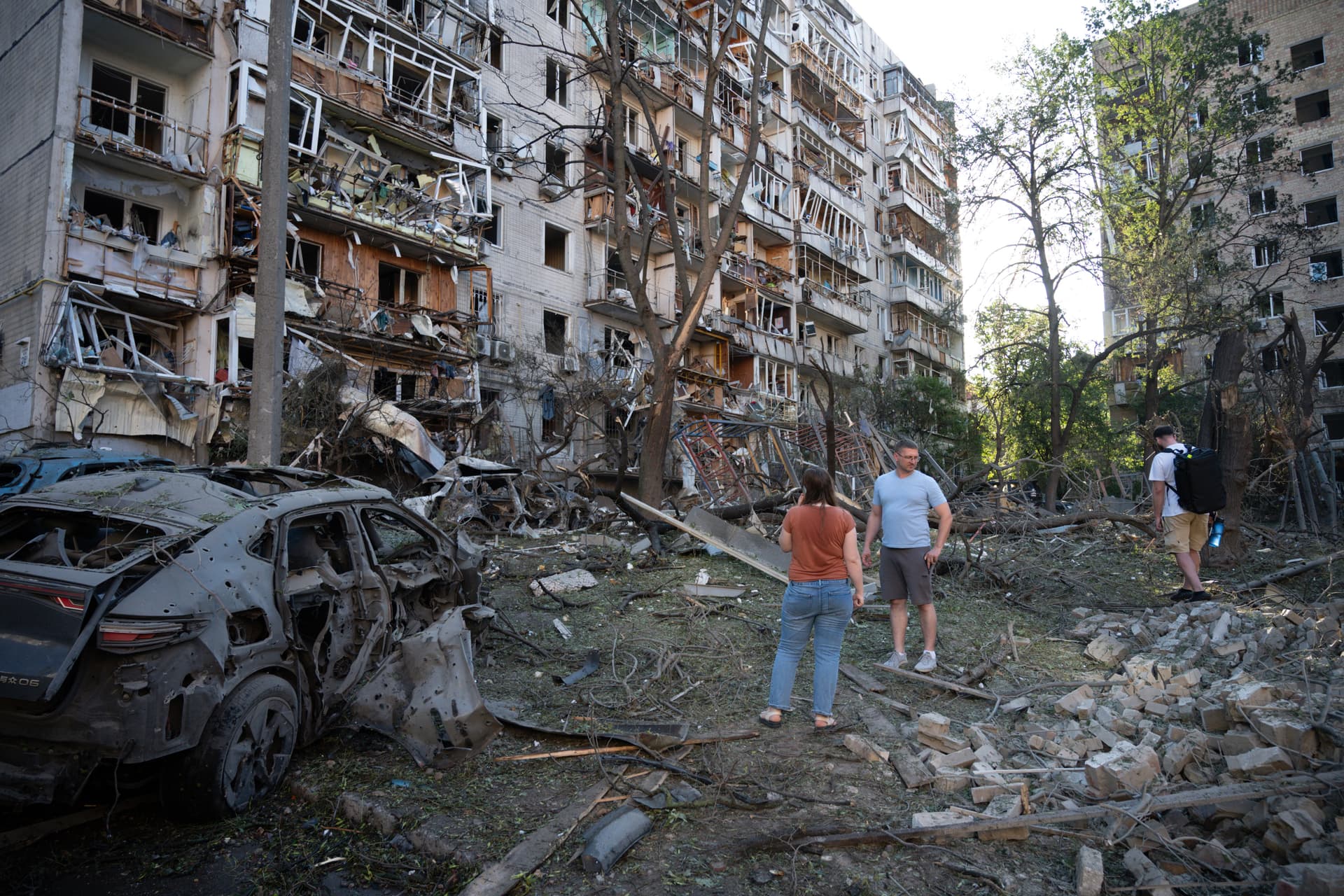
Munich airport briefly shuts after drone sighting disrupts 20 flights
A drone report shut Munich Airport for about an hour, diverting more than 20 flights and exposing how one sighting can rattle a major hub.

Two pilots in separate aircraft spotted what they believed was a drone shortly after 9 a.m. local time, and Munich Airport briefly stopped flights, diverting more than 20 inbound planes before operations resumed at 10:05 a.m.
Police searched the area with a helicopter but found no drone and no other threat to air traffic. The closure lasted about an hour, yet it was long enough to disrupt a busy weekend morning at one of Germany’s largest airports and send arriving flights to other airports while crews tried to determine whether the report was real.
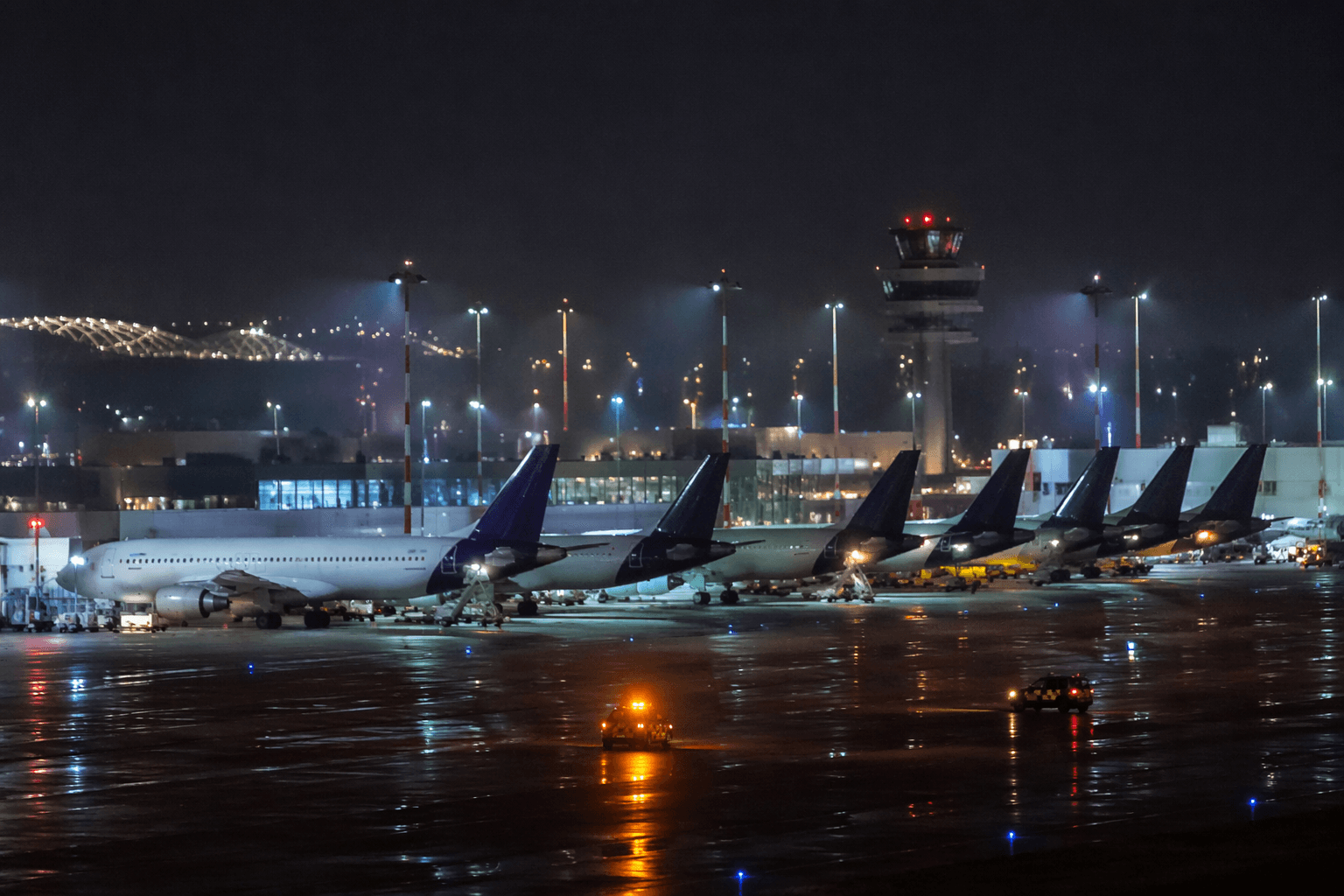
The episode fit a pattern that Munich knows too well. On October 2, 2025, German air traffic control first restricted operations at 10:18 p.m. and then suspended them altogether after several drone sightings. Munich Airport said the runway shutdowns began after sightings around 8:30 p.m., with both runways closed from 10:35 p.m. That night, 17 flights were canceled and 15 were diverted, with arriving aircraft sent to Stuttgart, Nuremberg, Vienna and Frankfurt. Another drone sighting early on October 4 delayed the start of operations that morning.

The repeated disruptions have turned Munich into a warning case for Europe’s aviation system. Even when officials cannot confirm a drone operator, the mere possibility of one above or near an airport can trigger sweeping safety measures, halt departures, reroute arrivals and leave passengers waiting while police and air traffic controllers work through a short list of bad options. The problem is not just nuisance or inconvenience. It is the fragility of a network built around precision, where a small and hard-to-trace device can interrupt a national transportation node in minutes.

Munich Airport’s own drone guidance underscores how tightly the airspace is controlled around airports. Under German aviation rules, control zones are split into areas that require approval and areas where drone use is prohibited. But rules on paper do not solve the detection problem, especially when sightings are brief, unverified and difficult to attribute. The pressure for stronger defenses has only increased since the German Bundestag began debating a second amendment to the Luftsicherheitsgesetz on December 18, 2025, aimed at strengthening drone defense powers. For airports, the gap remains stark: a single report can force a shutdown long before authorities can prove what was actually in the sky.
This article was produced by Prism’s automated news system from verified source data, official records, and press releases, then run through automated quality and moderation checks before publishing. The system is built and supervised by the people who set the standards it runs under. Read our full AI policy.
Did this article answer your question?