Musha Miniatures publishes beginner guide for mini painters
Musha Miniatures offers an evergreen beginner guide on brush control, thinning, basecoating, highlighting, basing, and color theory. It helps painters scale from single minis to armies.
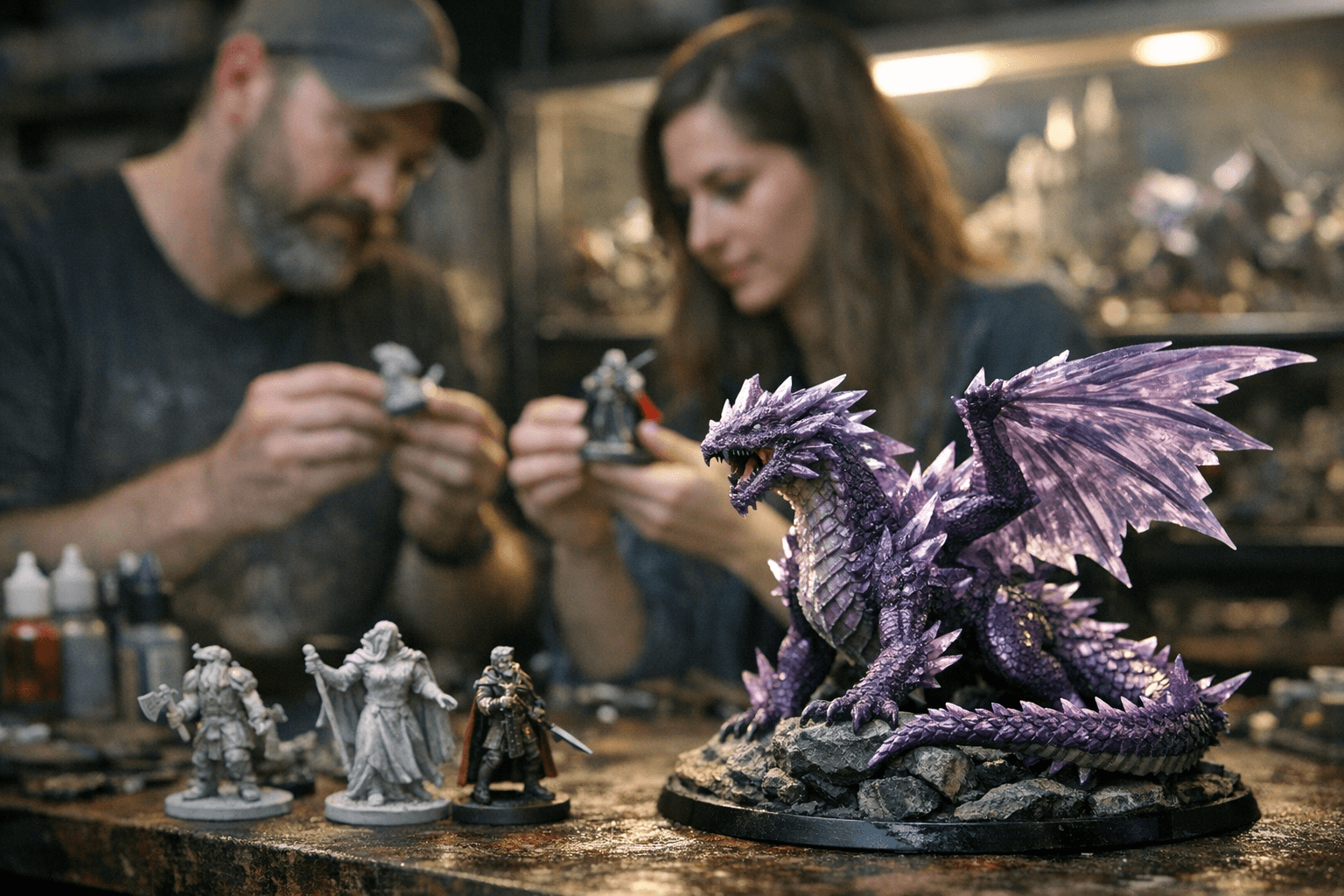
Musha Miniatures has compiled a practical, beginner-focused guide that lays out the core skills every new mini painter needs to move from one-off test models to table-ready squads. The collection focuses on repeatable workflows, brush control, paint thinning and airbrush recipes, basecoating, zenithal and zenithal-style highlighting, layering and blending, plus basing and color theory tuned specifically for models.
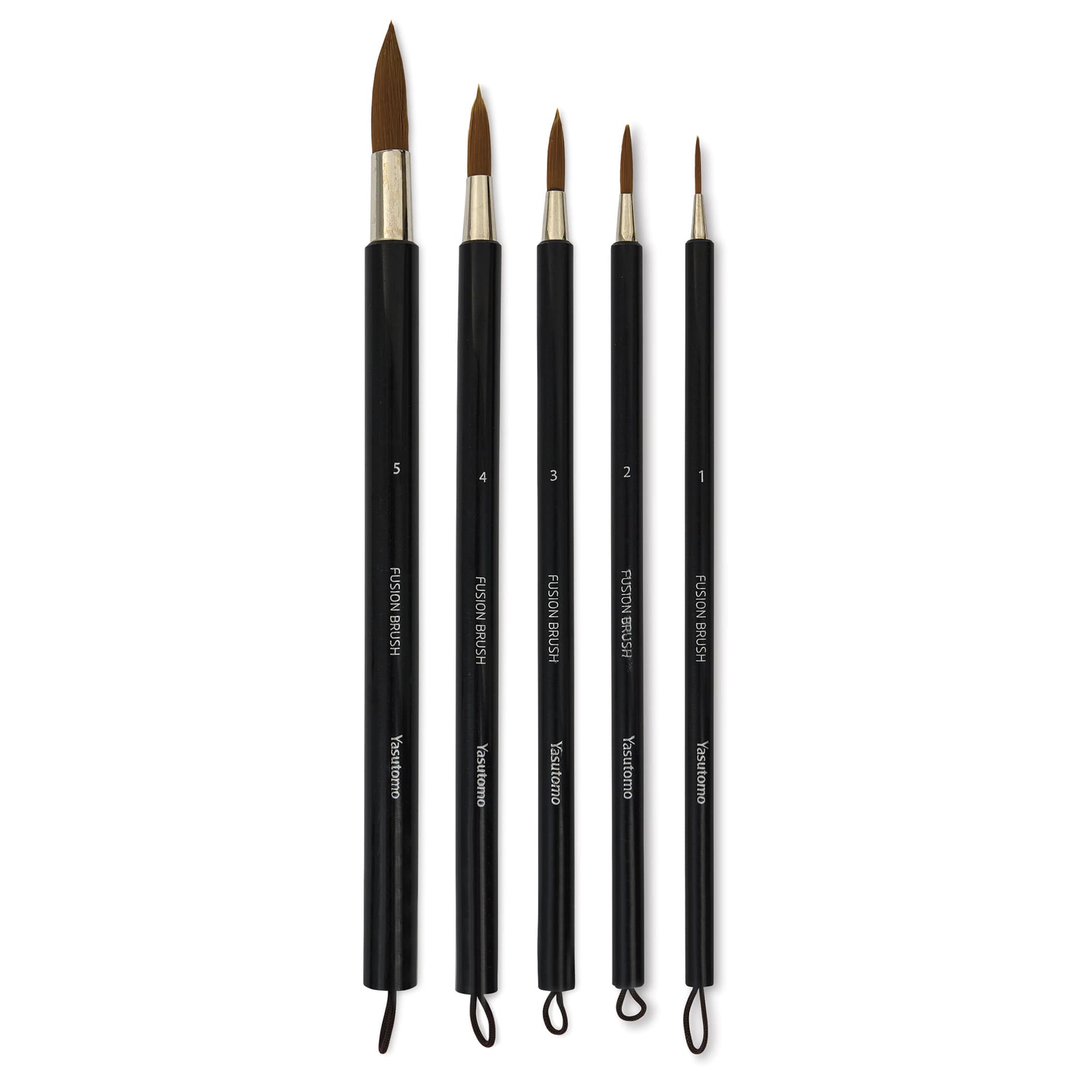
The guide starts with tools and setup recommendations that save time at the bench. It favors round brushes for general work and fine-point brushes for detail, and it promotes a wet palette and clear primer choices to reduce reworks. Airbrush users get accessible tips on atomisation and control, including recommended thinner mixes for Warpaints and other acrylics; example ratios are provided so you can dial in flow without guessing.
On paint handling, the guide separates thinning approaches for brushwork versus airbrushing and warns against over-thinning that ruins coverage. It explains when to reach for Speedpaints, contrast paints, or technical paints and when traditional layering or glazing will deliver stronger results. Core techniques are broken down into manageable stages: clean basecoats, edge highlights, layered transitions, glazing for color shifts, and simple wet blending for soft transitions, all presented as steps you can practice on a single mini and then scale to batches.
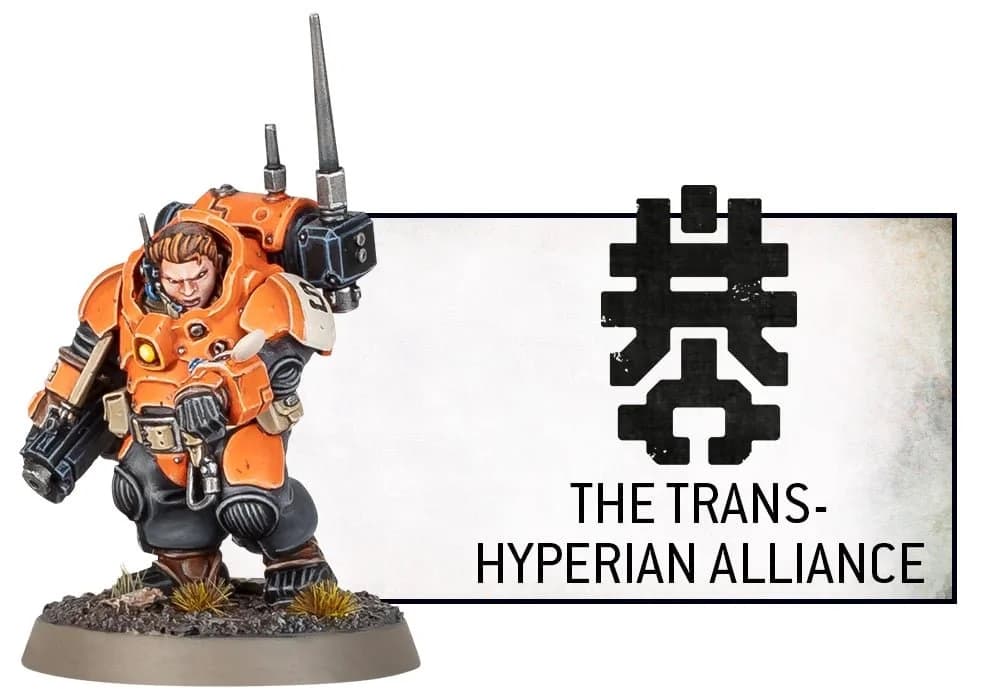
Basing and presentation get focused attention because neat basing makes armies read as cohesive units on the tabletop. The guide walks through quick basing techniques using texture paints, static grass or flock, and selective drybrushing to lift detail. It balances speed with neatness so you can produce tabletop-ready units while maintaining a tidy display standard.
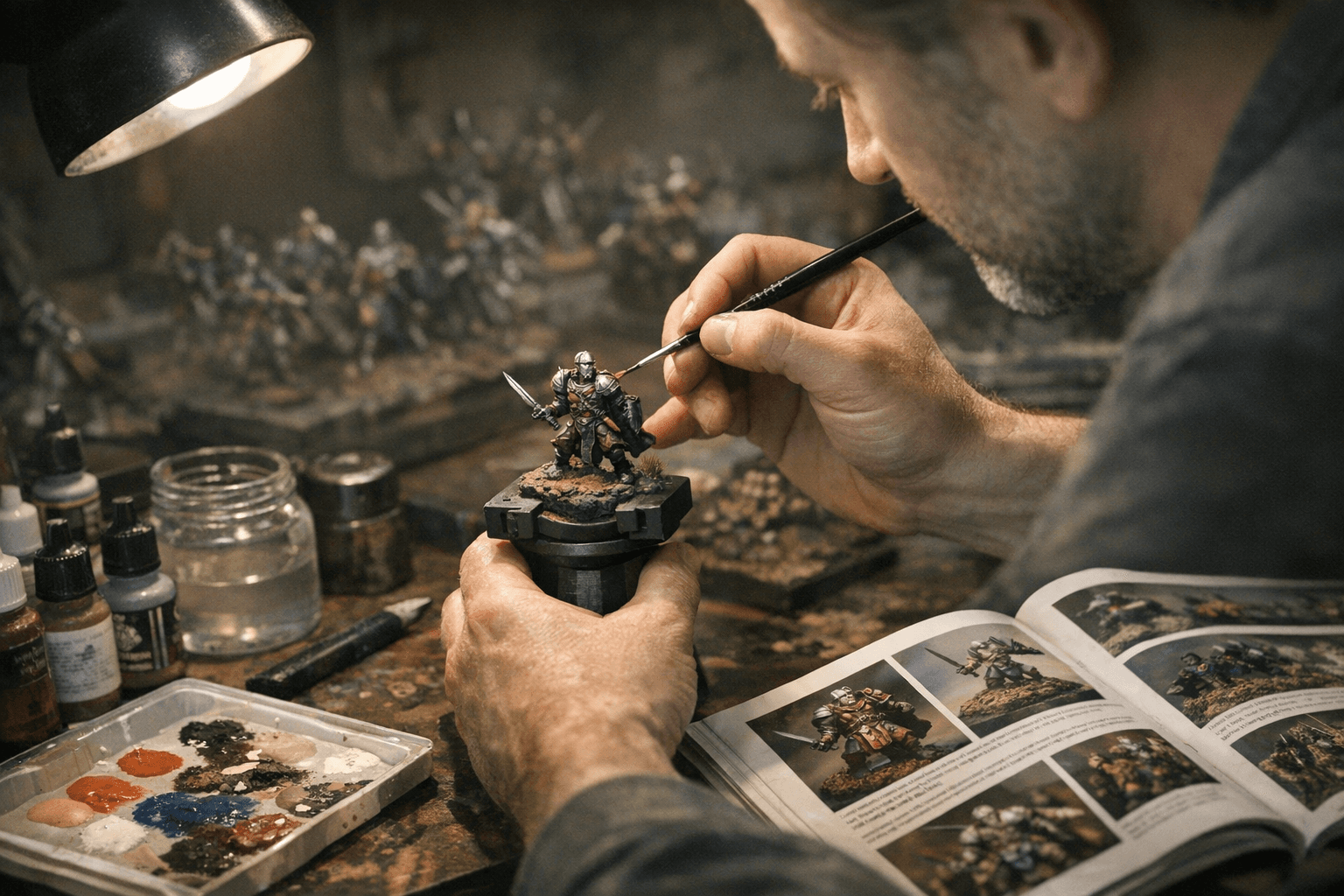
What makes this collection useful is its emphasis on sustainable habits: consistent thinning, brush care, and repeatable sequences for each phase of a paint job. That practical orientation helps you develop muscle memory and accurate time estimates for building an army rather than finishing a single vanity model.
For painters ready to push beyond starter kits, the guide also includes a primer on Speedpaint and Speedpaint Marker workflows for rapid tabletop color. Apply the workflows to a small test squad, refine thinner mixes and brush sizes, then scale up to batch runs. The payoff is less angst about supplies and more time actually painting, prime, paint, and present, so your next project hits the table clean and quicker than before.
Know something we missed? Have a correction or additional information?
Submit a Tip