Musk, Altman face trial that could reshape OpenAI and ChatGPT
Elon Musk’s suit could decide whether OpenAI stays under nonprofit control or turns into a more conventional AI company built for scale and profit.
Elon Musk’s lawsuit against Sam Altman, Greg Brockman and OpenAI has turned into a test of who gets to govern one of the world’s most important AI labs, and on what terms ChatGPT can keep growing. At stake is whether OpenAI can keep its claim that it was built to ensure artificial general intelligence benefits all of humanity while also expanding into a company with public-market ambitions and commercial weight.
Musk filed the case in 2024, accusing OpenAI of abandoning its founding mission and shifting toward profit. OpenAI has pushed back by arguing that Musk once supported moving the company toward a for-profit structure, then left the board in February 2018 and later launched xAI in March 2023 as a direct competitor. OpenAI says the company was founded in 2015 as a nonprofit and that Musk later sought majority equity, absolute control and the CEO role. That history now sits at the center of the dispute.
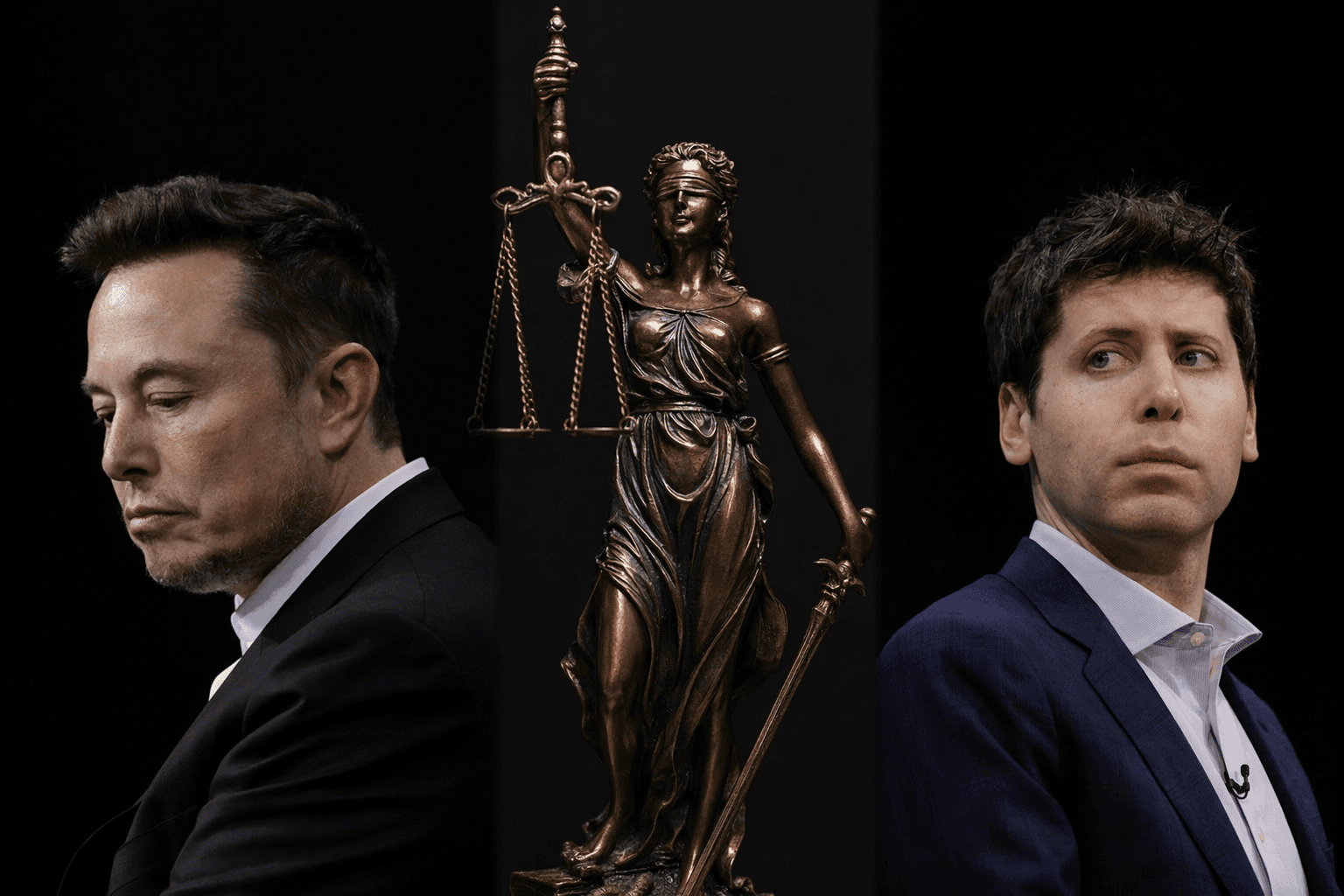
The legal pressure intensified on March 4, 2025, when California federal Judge Yvonne Gonzalez Rogers denied Musk’s request for a preliminary injunction that would have slowed OpenAI’s restructuring. She allowed the case to move ahead on a fast track, keeping the governance fight alive even as OpenAI continued to expand its commercial footprint. OpenAI has said it intends to move to dismiss Musk’s claims.
The company’s structure changed again on May 5, 2025, when OpenAI said its nonprofit would retain control while the for-profit entity transitions into a public benefit corporation. OpenAI said it reached that decision after discussions with the attorneys general of California and Delaware. The shift points to a compromise that preserves mission language while giving the company a more traditional corporate form for its commercial business, a move that could shape how investors, regulators and competitors judge the next generation of AI labs.
That is why this case matters beyond Musk and Altman. It is becoming a precedent-setting fight over whether frontier AI companies can promise public benefit, raise vast sums, and still remain true to nonprofit-style constraints. If the court redraws OpenAI’s obligations, it could influence not just control of OpenAI and ChatGPT, but the broader rules for how powerful AI systems are governed, how profits are justified, and how far mission-driven technology companies can stretch before their founding promise breaks.
This article was produced by Prism’s automated news system from verified source data, official records, and press releases, then run through automated quality and moderation checks before publishing. The system is built and supervised by the people who set the standards it runs under. Read our full AI policy.
Did this article answer your question?