Musk and Altman head to trial over OpenAI’s nonprofit origins
Musk and Altman are fighting over whether OpenAI broke its nonprofit promise, with a possible $150 billion damages claim hanging over the company’s future.
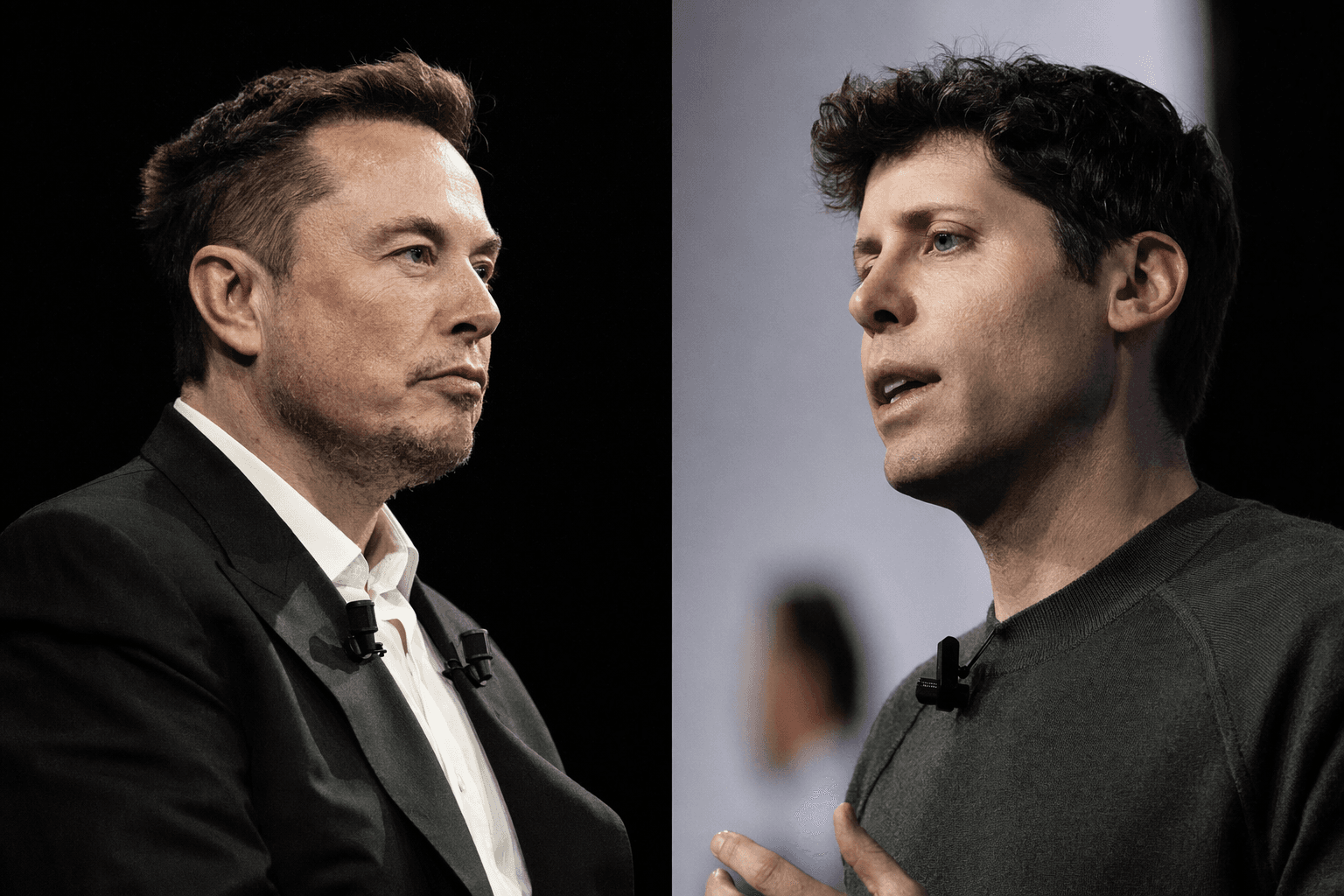
In a federal courtroom in Oakland, the question was no longer who won the AI race, but who controls the company that helped start it. Elon Musk’s case against OpenAI, Sam Altman and Greg Brockman reached trial as jury selection finished on April 27, putting OpenAI’s nonprofit roots, and its sprawling commercial power, under direct judicial scrutiny.
Musk sued in 2024, saying OpenAI abandoned the mission that brought it into existence in December 2015 as a nonprofit research lab. He argued that the company drifted from a pledge to benefit humanity and turned toward profit. OpenAI has called the suit baseless and described it as a harassment campaign. The case is being heard before U.S. District Judge Yvonne Gonzalez Rogers, who had already set a March 16 trial date in an earlier phase of the dispute before rejecting Musk’s bid to pause OpenAI’s restructuring plans.
The stakes are no longer limited to ideology. Reuters reported that Musk is seeking $150 billion in damages from OpenAI and Microsoft, while OpenAI is now valued at more than $850 billion. That valuation makes the governance fight a market issue as much as a philosophical one. Any ruling that raises doubts about OpenAI’s leadership or corporate structure could complicate fundraising, unsettle business partners, and cloud a possible initial public offering.
The testimony has also turned the origins story into evidence. Musk told the court that he founded OpenAI as a counterweight to Google, and that he was not opposed to a small for-profit subsidiary so long as “the tail didn’t wag the dog.” Reuters reported that one possible flashpoint is a fall 2017 diary entry by Brockman that read, “This is the only chance we have to get out from Elon.” For the judge, that kind of internal record goes to motive, control and whether the company’s shift was a betrayal or an adaptation.

OpenAI’s own corporate evolution has only sharpened the dispute. Musk left its board in 2018. In March 2019, OpenAI created a for-profit entity under nonprofit control. On October 28, 2025, the company said it had completed a recapitalization that turned its for-profit arm into OpenAI Group PBC, a public benefit corporation controlled by the nonprofit OpenAI Foundation. Witness lists have reflected the scale of the fight, with names including Microsoft chief executive Satya Nadella, former OpenAI chief technology officer Mira Murati and Shivon Zilis, alongside Musk and Altman.
What began as an argument over founding ideals is now a test of how much room AI labs have to convert mission into money without losing legal and moral cover. The ruling could help define the rules for the next generation of AI companies.
This article was produced by Prism’s automated news system from verified source data, official records, and press releases, then run through automated quality and moderation checks before publishing. The system is built and supervised by the people who set the standards it runs under. Read our full AI policy.
Did this article answer your question?