Musk-OpenAI trial turns on co-founder diary entries about nonprofit motives
Greg Brockman’s 2017 diary pages could sway the jury on whether OpenAI was meant to stay nonprofit, or break free from Elon Musk’s control.
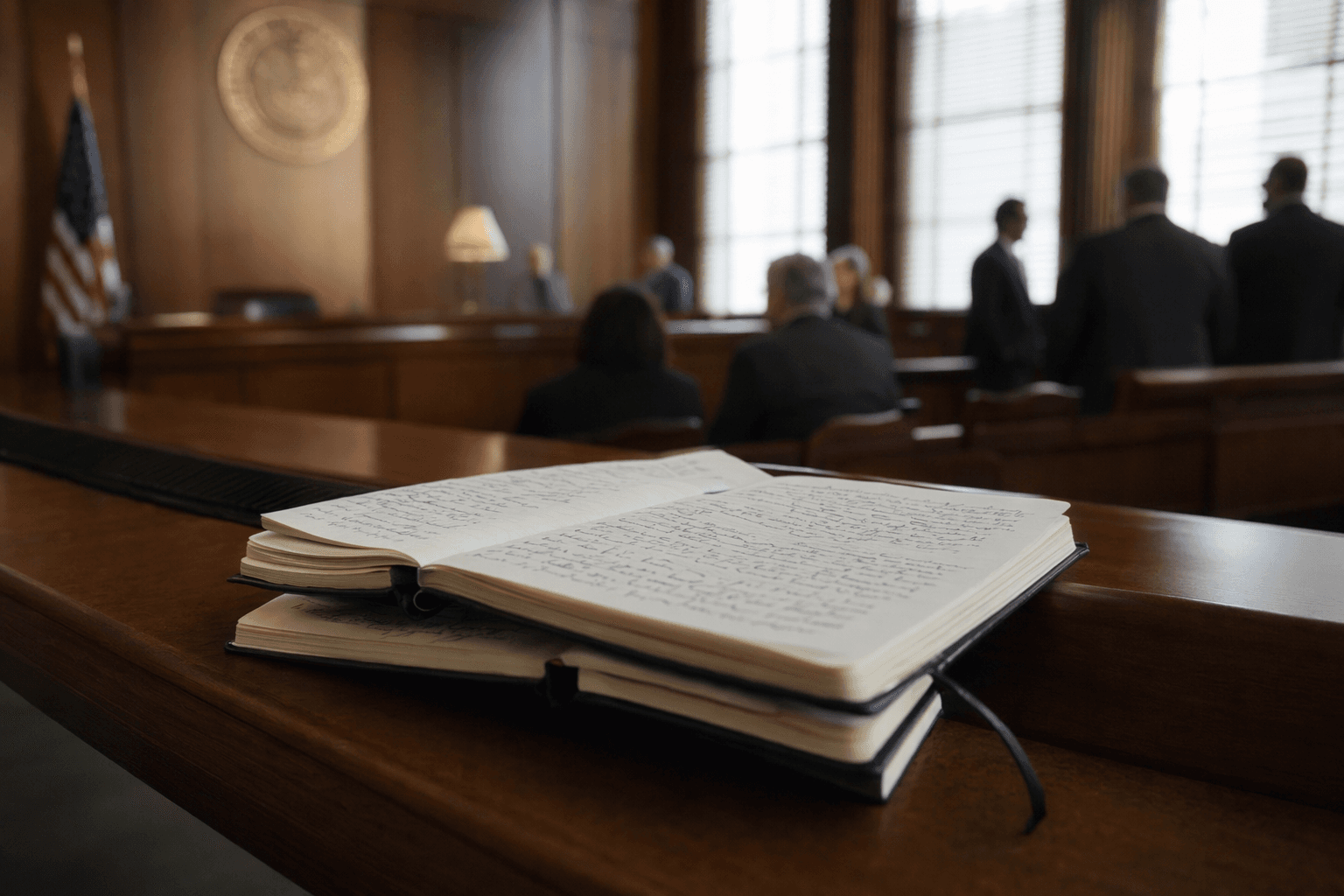
A few lines in Greg Brockman’s personal diary have become central evidence in a fight over who gets to define OpenAI’s founding purpose. In federal court in Oakland, California, lawyers for Elon Musk and OpenAI are using Brockman’s 2017 notes to argue opposite narratives: whether the company’s leaders were already uneasy about Musk, or whether their nonprofit pledge was sincere from the start.
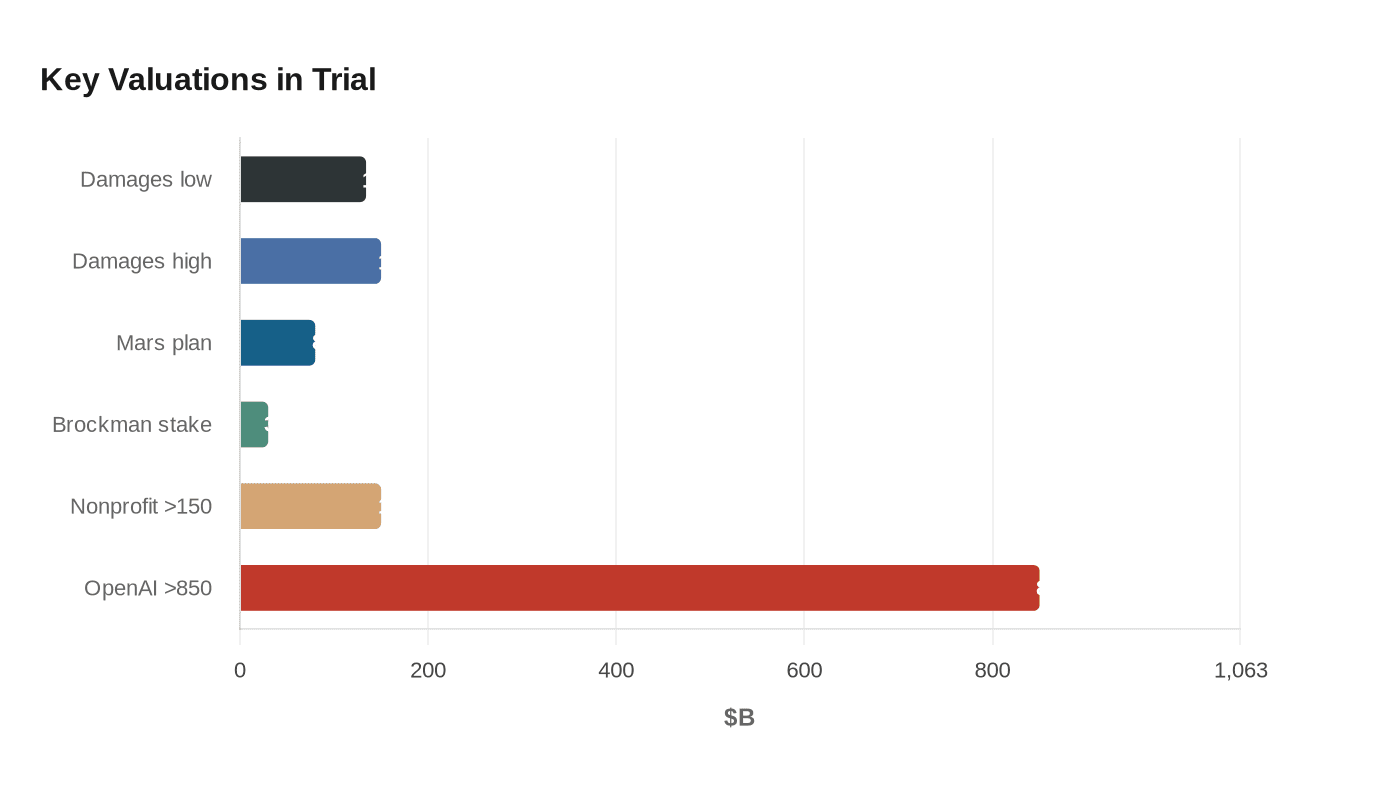
The diary entries include stark language about Musk’s role inside the startup, including, “This is the only chance we have to get out from Elon” and “Is he the ‘glorious leader’ that I would pick?” Those lines matter because Musk’s lawsuit, filed in 2024 against OpenAI, Sam Altman, Brockman and Microsoft, accuses the company of abandoning its nonprofit mission and channeling his roughly $38 million in seed funding into unauthorized commercial aims. His side is seeking damages reported in the range of $134 billion to $150 billion, while also pressing for structural changes at the company.
The trial began after jury selection finished on April 27, 2026, with testimony starting the week of April 28 before U.S. District Judge Yvonne Gonzalez Rogers. Brockman testified that Musk wanted OpenAI to become for-profit, and said Musk was interested in a plan that could have valued the company at $80 billion for his Mars-related ambitions. Brockman also disclosed that his own OpenAI stake is worth about $30 billion, a figure Musk’s lawyers are using to question his independence.
The courtroom fight has also turned personal. Brockman testified that in a 2017 meeting he feared Musk might physically attack him. The testimony feeds Musk’s claim that OpenAI’s leaders later recast their relationship with him while moving the company toward commercialization.
OpenAI has countered that Musk himself supported a commercial pivot and that its nonprofit arm remains tied to the business. The company says it has created “the most well-resourced nonprofit in history,” backed by more than $150 billion in equity value. The stakes are rising as OpenAI’s valuation has climbed beyond $850 billion and the company prepares for a possible initial public offering.
The judge has already rejected at least one late attempt to show jurors a message allegedly sent by Musk on the eve of trial, underscoring how fiercely both sides are fighting over the record. For the jury, the diary pages are not courtroom color. They are a window into whether OpenAI was built as a public-interest lab or as a company that always knew it needed to break away from Musk.
This article was produced by Prism’s automated news system from verified source data, official records, and press releases, then run through automated quality and moderation checks before publishing. The system is built and supervised by the people who set the standards it runs under. Read our full AI policy.
Did this article answer your question?