Musk testifies OpenAI abandoned nonprofit mission in federal trial
Musk told a federal jury he built OpenAI as a charity-like project, casting the case as a fight over who controls the future of frontier AI.

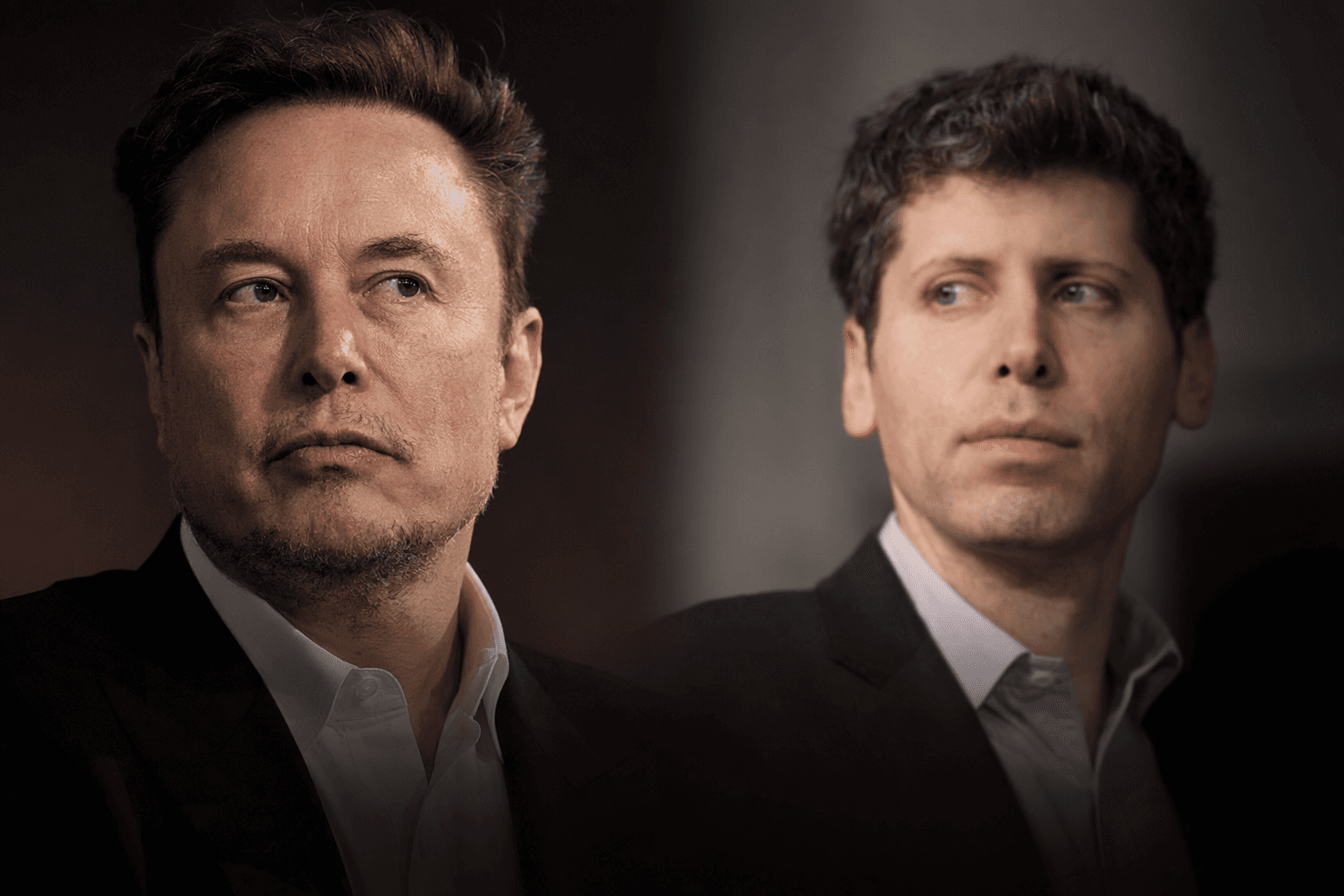
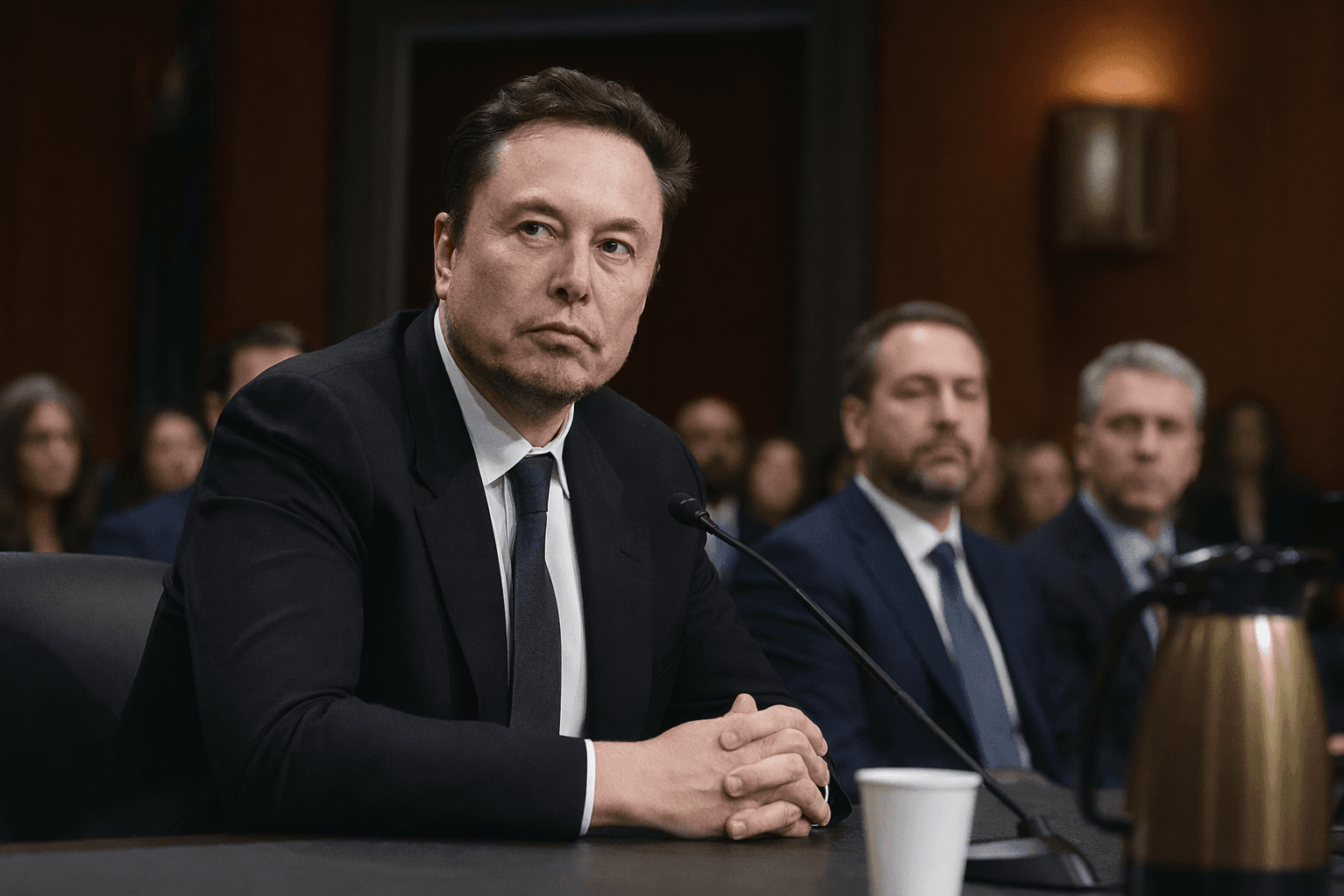
Elon Musk used sworn testimony in Oakland to recast OpenAI’s origins as a dispute over mission and control, telling a federal jury that he founded the company as a charity-like project meant to counter Google. The case, heard before U.S. District Judge Yvonne Gonzalez Rogers with nine jurors and no alternates, pits Musk against OpenAI chief executive Sam Altman, president Greg Brockman and Microsoft in a fight that could shape whether OpenAI can keep its for-profit structure.
Musk, who sued OpenAI in 2024, said he created the nonprofit in 2015 with a public-interest purpose and provided the initial funding. He told the court, “I came up with the idea, the name, recruited the key people, taught them everything I know, provided all of the initial funding,” and added that “if we make it OK to loot a charity, the entire foundation of charitable giving in America will be destroyed.” He also said he was not opposed to a limited commercial arm, “as long as the tail didn't wag the dog.” Musk said he was motivated in part by a desire to build a counterweight to Google after an argument with co-founder Larry Page.
OpenAI’s lawyers pushed back, arguing Musk himself wanted a for-profit structure and sued only after he did not get his way. OpenAI has publicly called the lawsuit “baseless” and a “harassment campaign.” The company says the for-profit structure was necessary to raise enough capital for computing power and to retain top researchers in competition with Google’s DeepMind. Musk’s account, by contrast, asked the jury to view the company’s later shift as a breach of a founding promise, not a routine financing decision.
The courtroom record also exposed the company’s early internal tensions. Reporting tied to court filings has said that in 2017 Altman and Brockman wanted to establish a for-profit arm, while Musk proposed merging OpenAI with Tesla. OpenAI later created a for-profit subsidiary in March 2019. Musk was the largest individual early backer, contributing more than $44 million, and left the board in 2018 after a power struggle. Microsoft invested $10 billion in OpenAI in January 2023, and Musk has sought damages described in reporting as as much as $134 billion, with some reports putting the figure at $150 billion. He has also asked that any damages go to OpenAI’s charity arm rather than to him personally.
The case could still reshape OpenAI’s structure and leadership, with potential remedies touching Altman and Brockman. Possible witnesses include Satya Nadella, Ilya Sutskever and Mira Murati. For Silicon Valley, the trial has become less a referendum on one founder than a test of whether a company can move from nonprofit origins to a profit-seeking model without losing the public-interest claim that justified its creation.
Know something we missed? Have a correction or additional information?
Submit a Tip