Musk's Terafab Plan Highlights AI Chip Shortage and Massive Capital Hurdles
Musk declared all current chip fabs produce just 2% of what his companies need, then launched a $25B venture to build the world's biggest semiconductor factory.
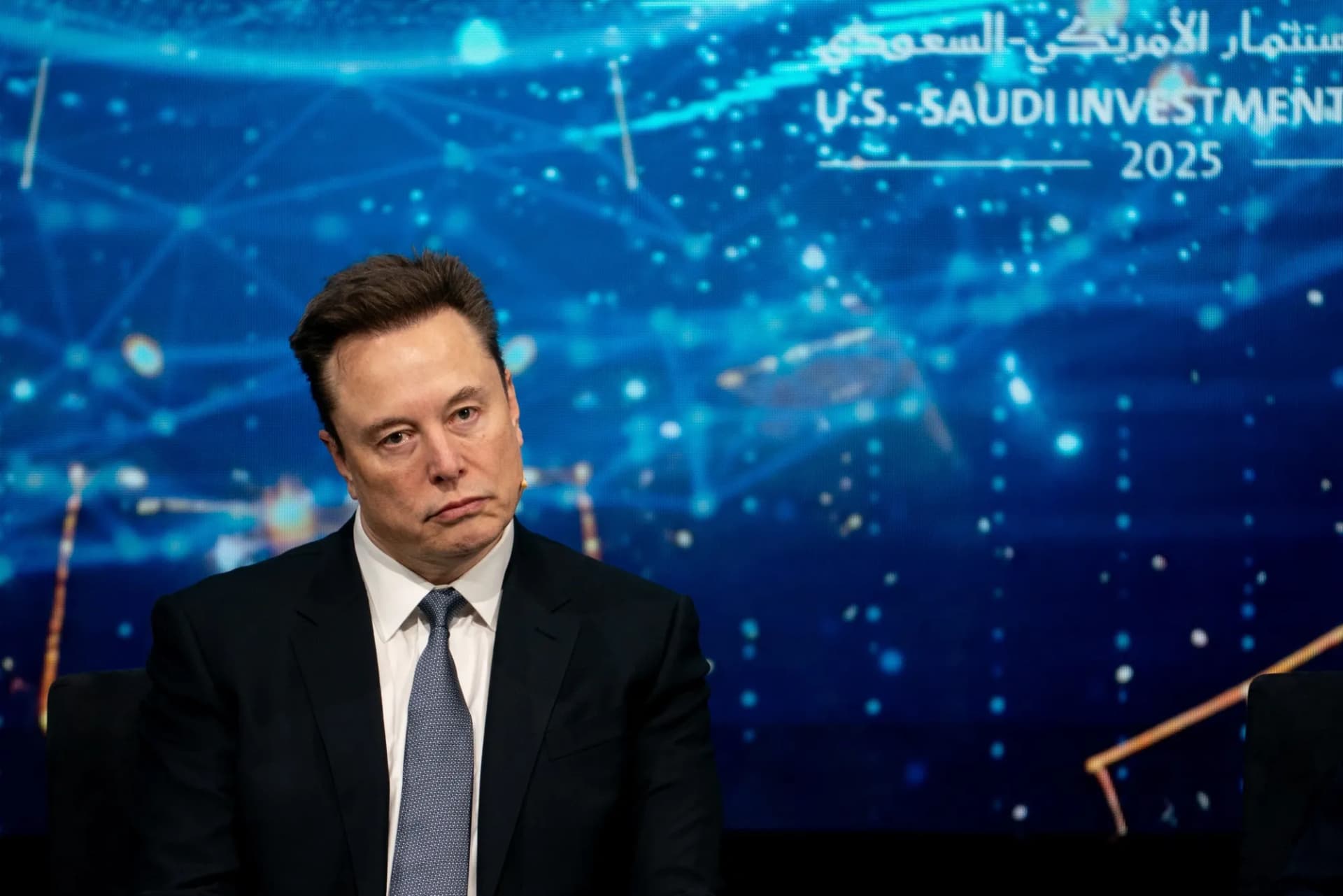
Standing at a defunct power plant in Austin on March 21, Elon Musk declared that every semiconductor fabrication facility on Earth produces roughly 2% of the chips he needs, then announced he intends to build the largest chip factory ever conceived to close that gap himself.
Tesla and SpaceX unveiled Terafab, a joint $25 billion chip fabrication facility in Austin, Texas, that Musk claims will produce 1 terawatt of computing power annually. The venture brings together Tesla, SpaceX, and xAI, after SpaceX acquired xAI in an all-stock deal in February 2026, with Musk serving as CEO of all three companies. The announcement, framed by Musk as "the most epic chip-building exercise in history by far," carried an implicit admission: the global AI chip supply chain is so strained that one of the world's most capital-heavy builders concluded he had no choice but to build his own.
Musk said he had urged suppliers including TSMC, Samsung Electronics, and Micron Technology to expand as quickly as possible, promising to take everything they could produce. "We will buy all of their chips; I have said these exact words to them," he said. But those companies opted to expand at a more measured pace, far short of what Musk requires for Tesla, SpaceX, and xAI. "So we either build the Terafab or we don't have the chips," he said.
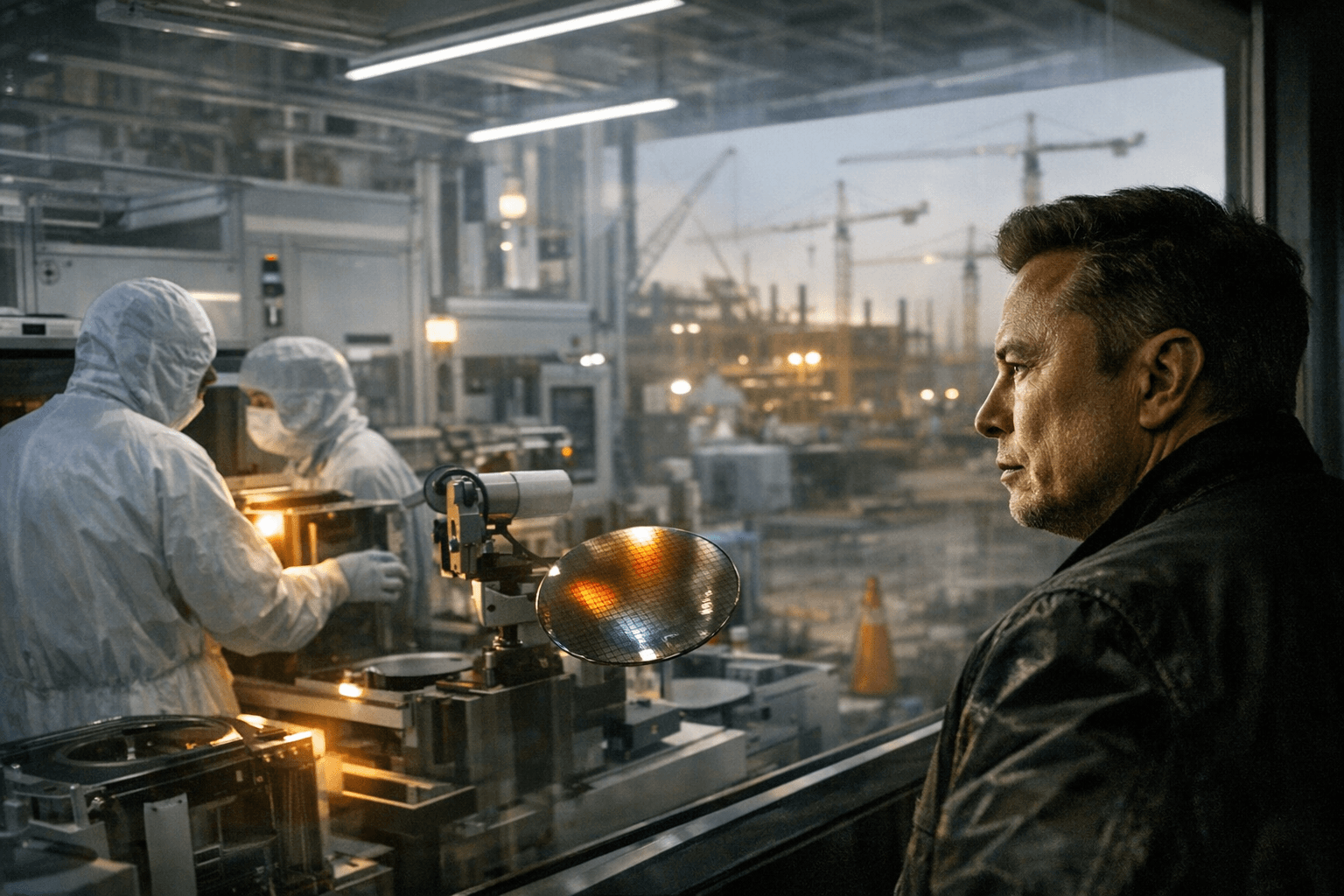
The shortage driving that logic is real and broad-based. Broadcom has flagged supply chain constraints tightening across the tech sector, pointing at TSMC as a key bottleneck. Natarajan Ramachandran, director of product marketing in Broadcom's Physical Layer Products division, told reporters that TSMC is "hitting production capacity limits," a description he said would have been unthinkable just a few years ago. Growing concerns in Silicon Valley hold that the semiconductor industry is not ramping fast enough to meet AI companies' needs. Amazon, Alphabet, and other hyperscalers expect to spend roughly $650 billion this year alone on data center infrastructure, already creating a severe crunch in memory chips that is spilling into AI accelerators.
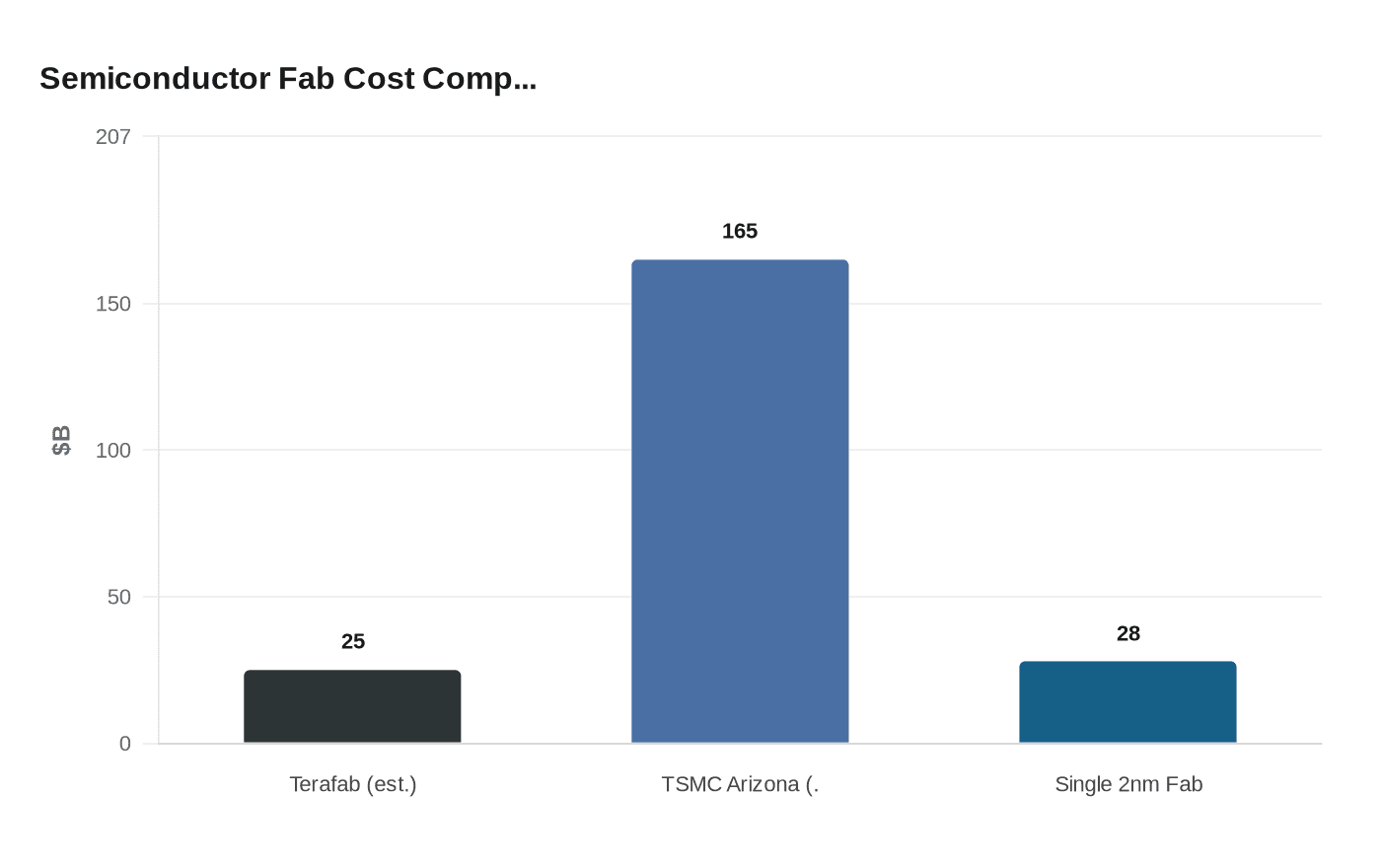
The scale of what Musk announced makes the funding question equally stark. Tesla's CFO acknowledged that the full Terafab cost, estimated at $20 to $25 billion, is not yet incorporated into Tesla's record capital expenditure plan for 2026, which already exceeds $20 billion. For context, TSMC spent $165 billion over years to build six fabs in Arizona, and those won't reach 2-nanometer production until 2029. A single 2nm fab with 50,000 wafer starts per month costs roughly $28 billion and takes about 38 months just to build in the United States. Tesla, notably, has no semiconductor manufacturing experience.
Terafab is designed to consolidate every stage of semiconductor production under one roof, including chip design, lithography, fabrication, memory production, advanced packaging, and testing. At full capacity, the facility would scale to roughly 70% of the global output of TSMC. The facility will produce two categories of chips: inference chips for Tesla vehicles and Optimus robots, and D3 chips custom-designed for orbital AI satellites.
The full-scale Terafab requires thousands of acres and over 10 gigawatts of power, far exceeding what the Giga Texas campus can accommodate. Musk stated that the facility "will be far bigger than everything else combined there," with multiple large sites currently under consideration. Musk offered no timeline for when the facility would reach its target output of 100 to 200 gigawatts of computing power per year on Earth, alongside a terawatt in space.
Whatever Terafab's ultimate fate, Musk's vision touched a nerve because it highlights one of the most pressing concerns facing the industry today: a shortage of the high-end semiconductors that companies and governments desperately need to deploy game-changing AI. Sassine Ghazi, CEO of semiconductor design software firm Synopsys, told CNBC the chip crunch will continue through 2026 and 2027, a timeline that aligns with the structural forces Musk cited as his reason for acting. Whether Terafab materializes as announced or serves primarily as a pressure campaign on existing suppliers, the shortage that prompted it is not going away soon.
This article was produced by Prism’s automated news system from verified source data, official records, and press releases, then run through automated quality and moderation checks before publishing. The system is built and supervised by the people who set the standards it runs under. Read our full AI policy.
Know something we missed? Have a correction or additional information?
Submit a Tip