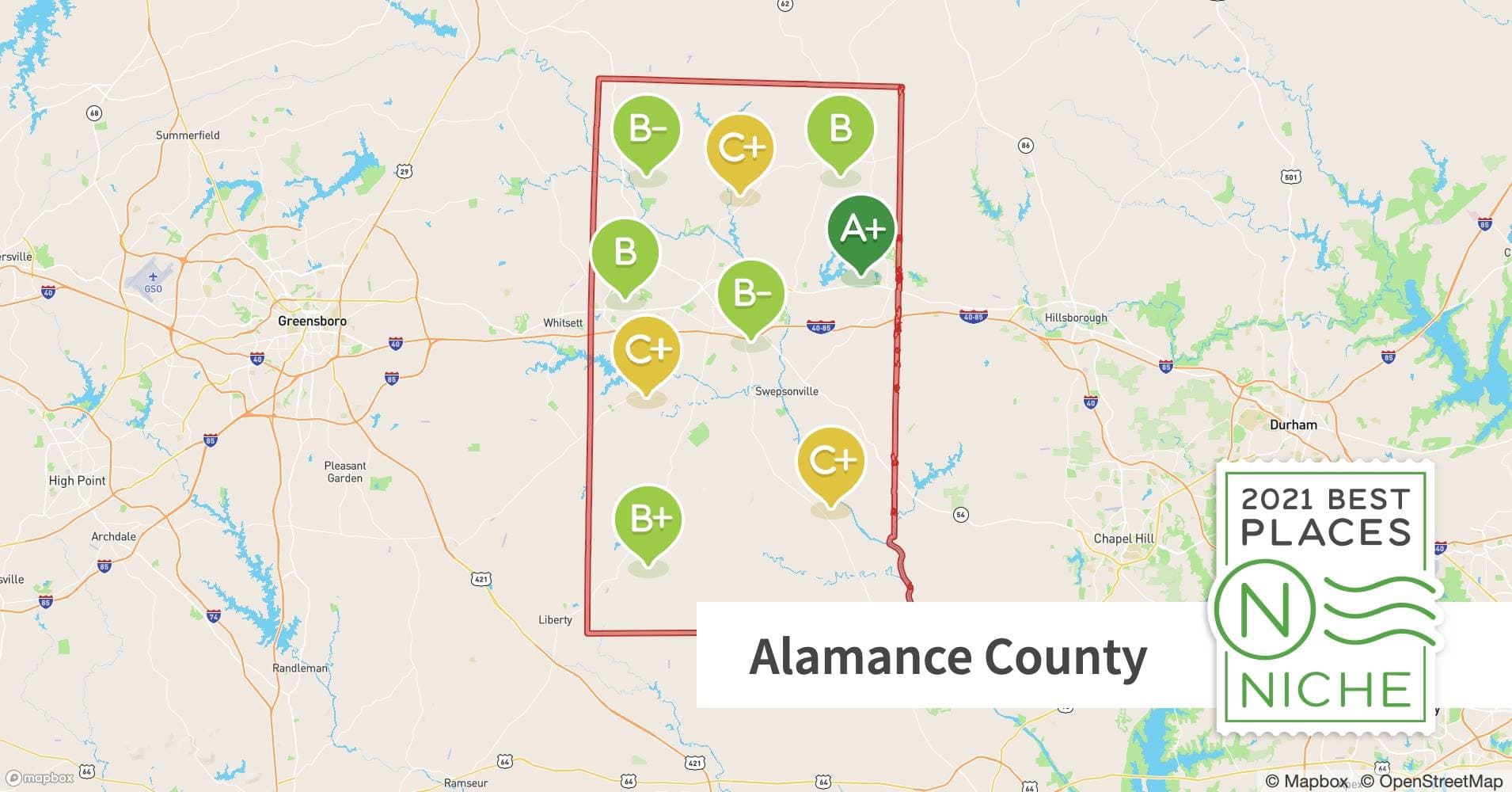
Must-Visit History Museums and Historic Sites Across Alamance County
Explore five must‑visit Alamance County sites—from the Holt Plantation house‑museum in Burlington to the Textile Heritage and Haw River museums—each documenting the county’s textile, mill‑village and community histories.
1. Alamance County Historical Museum (4777 NC Highway 62 South, Burlington, NC 27215)
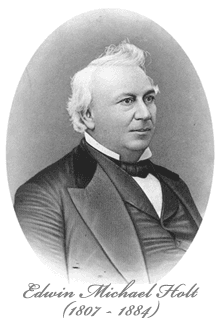
The former Holt Plantation home is now the Alamance County Historical Museum; Elon LibGuides reports “period rooms with mid‑nineteenth century furnishings and permanent exhibits and revolving exhibits featuring clothing, housewares and textiles, military items, Native American artifacts and transportation.” VisitAlamance adds that “the museum is a nineteenth century house‑museum depicting the life of textile pioneer Edwin Michael Holt through period room settings and docent‑hosted tours,” and that a guided tour “includes period outbuildings, summer kitchen, family cemetery and the outdoor gardens.” Wonderfulmuseums frames visiting it as “an investment in understanding,” placing local lives and textile innovation in broader state and national context. Follow‑up logistics to verify before visiting: current hours, admission, tour scheduling and accessibility.
2. Textile Heritage Museum (2406 Glencoe St, Burlington, NC 27217)
Elon LibGuides summarizes the Textile Heritage Museum this way: “The museum tells the history of textiles in Alamance County and includes among it's exhibits machinery, mill village life displays and a company store exhibit.” That description anchors the museum as a place to see the industrial tools and community artifacts that powered the county’s textile economy and mill‑village social life. WRAL lists the museum among local stops for people curious about how the textile industry shaped towns and neighborhoods in the county. Missing from the available descriptions are hours, admission fees and specific machine highlights—items reporters and visitors should confirm with museum staff.
3. Mebane Historical Museum (209 W Jackson St, Mebane, NC 27302)
WRAL includes the Mebane Historical Museum on its list of local history sites; the listing provides the street address but no exhibit breakdown in the excerpted material. As with other small municipal museums, expect local civic archives, photographs and objects tied to Mebane’s municipal and community history; however, specific galleries, hours, admission and contact information were not included in the sources and should be confirmed. Journalists and visitors seeking themes—railroads, schools, births and businesses in Mebane—will need to request current exhibit lists and curator contacts for details.
4. Graham Historical Museum (135 W Elm St, Graham, NC 27253)
Elon LibGuides notes that the Graham Historical Museum “features historical artifacts and exhibits related to Graham and its history,” and WRAL also lists the museum among county stops. The museum is the local repository named in sources for material culture and town‑level narratives that complement countywide stories about mills and agriculture. Absent from the available notes are specifics on standout artifacts, programming, seasonal hours and accessibility; these operational items require follow‑up with the museum’s staff or Graham municipal offices.
5. Haw River Museum / Haw River Historical Museum (201 E Main St, Haw River, NC 27258)
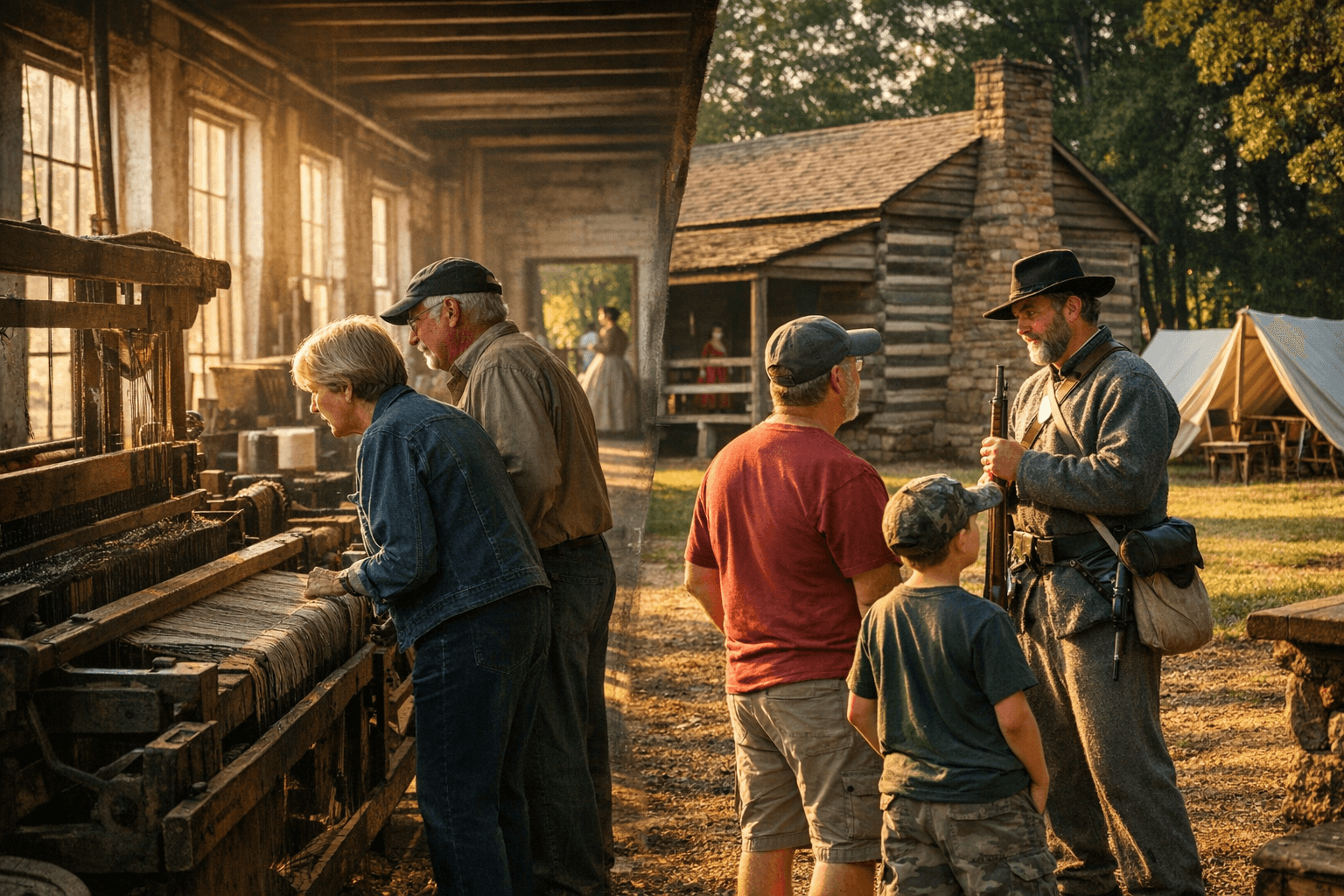
Sources use both names—Elon LibGuides calls it the Haw River Museum while WRAL lists “Haw River Historical Museum”—but both place it at 201 E. Main Street. Elon LibGuides states plainly: “Haw River's textile industry and the town life of Haw River are represented in photographs and displays of artifacts.” That photographic and artifact record makes the site especially useful for researchers tracing how a single mill town experienced industrial change. Visitors should confirm the museum’s preferred name, current exhibits, hours, and whether any photographic collections are digitized or available by appointment.
Final note The five sites above form a compact network for understanding Alamance County’s layered story—from Edwin Michael Holt’s nineteenth‑century house to mill machinery, company store displays and town photographs. As one source framed the county’s set of sites: “Why visit local history sites in Alamance County: Alamance County’s museums and preserved historic sites tell a layered story about the Piedmont’s textile past, mill villages, agricultural roots, and Black and Indigenous histories that shaped the region. Visiting these places provides context for on” (excerpt). For accurate planning and reporting, verify hours, admission policies, accessibility and current exhibits directly with each museum before visiting; those operational details were not included in the compiled source material.
Sources:
Know something we missed? Have a correction or additional information?
Submit a Tip