México se prepara para abrir el Mundial 2026 en casa con fiesta histórica
Streets, plazas and the Estadio Azteca turned Mexico’s World Cup debut into a national display, as FIFA opened its 48-team tournament with music, dance and art.
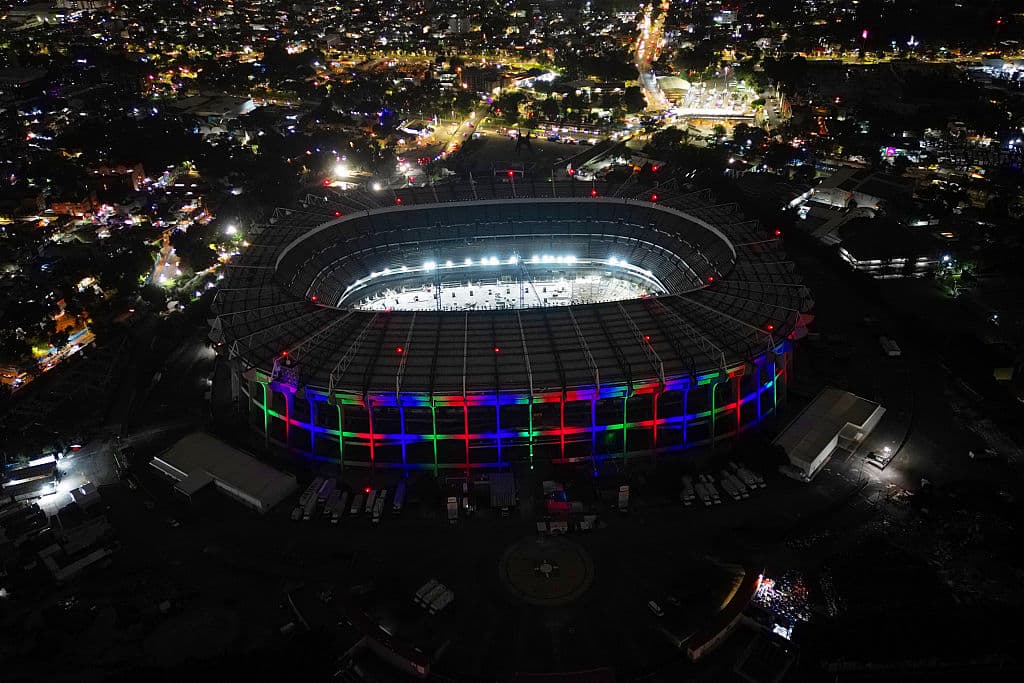
Mexico did not just open the 2026 World Cup, it turned the first day of the tournament into a public portrait of the country itself. Stadiums, streets and plazas filled with joy, tradition and passion as the Selección Mexicana became the face of FIFA’s first 48-team World Cup, staged across three host nations: Canada, Mexico and the United States.
The symbolism was anchored at the Estadio Azteca, the historic venue that previously hosted World Cup matches in 1970 and 1986 and opened Mexico’s portion of the tournament on Thursday, June 11. FIFA scheduled a celebratory program 90 minutes before kickoff, pairing music, dance and art with a lineup that included Alejandro Fernández, Belinda, Danny Ocean, J Balvin, Lila Downs, Los Ángeles Azules, Maná, Shakira and Tyla, alongside Indigenous and folkloric performers. The effect was larger than pregame spectacle. It presented Mexico as a country using football to project cultural continuity, from its mass-popular music to traditions tied to the capital’s civic spaces.
That public stage extended well beyond the stadium. In Mexico City, the FIFA Fan Festival took over the Zócalo with free entry, music and food, giving the opening days of the tournament a distinctly civic character. The crowd presence in plazas and shared spaces carried extra weight because Mexico is not only a host, but the first country in the region to welcome the expanded tournament at home, with the national team set to play all three of its group-stage matches on Mexican soil. The World Cup, in that sense, became a test of how the country presents itself to the world through collective ritual as much as through sport.
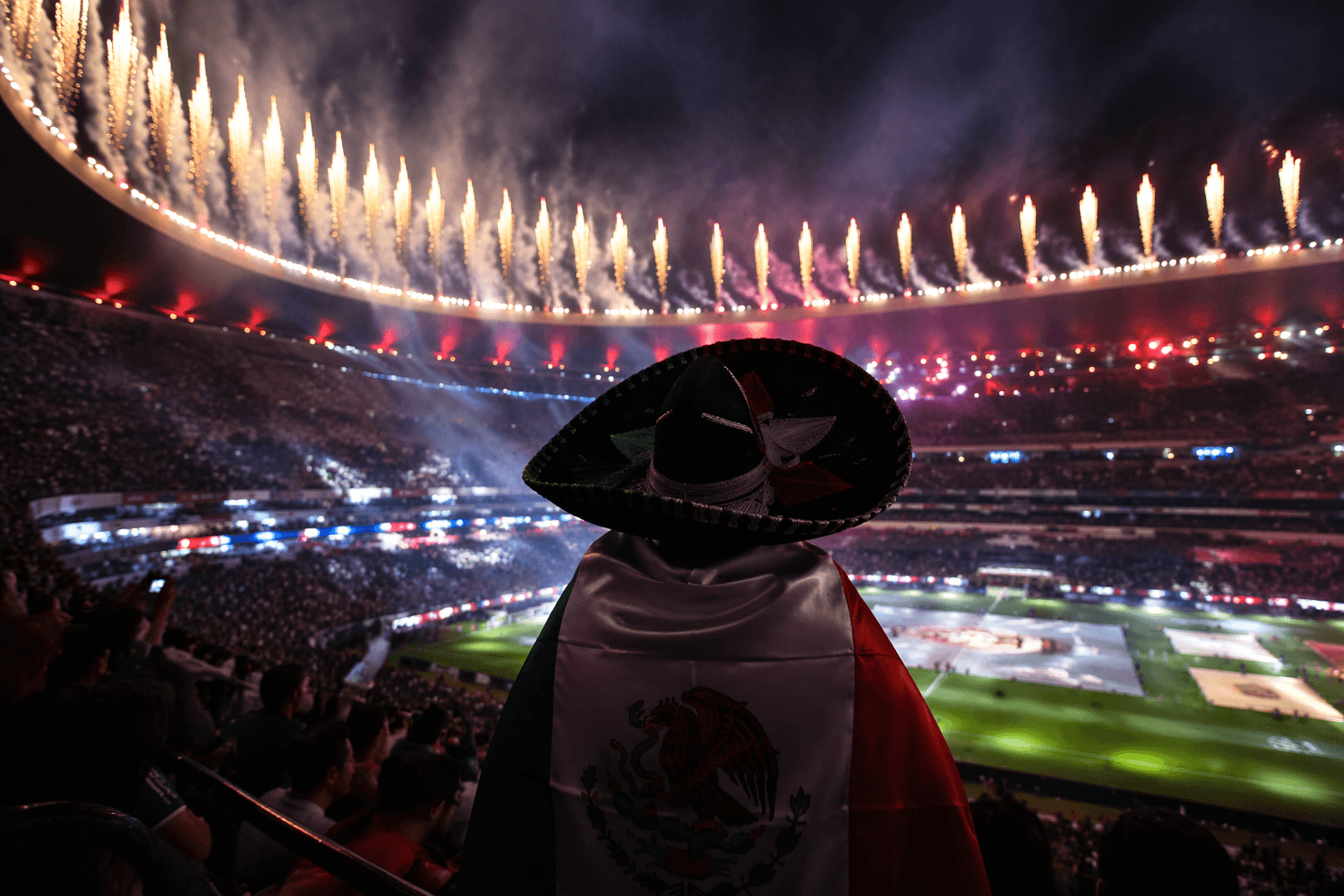
The sporting cast added its own layer of national significance. FIFA published Mexico’s 26-man roster on May 31, with Javier Aguirre leaning on Guillermo Ochoa, who was headed toward a sixth World Cup, and on Gilberto Mora, the 17-year-old who would become the youngest Mexican in tournament history. The federal government had already said in November 2025 that World Cup-related projects and infrastructure would be ready in time for June 2026, a pledge that helped frame the opening as a moment of organization as well as celebration. For Mexico, the tournament began as both a homecoming and a declaration of identity on the global stage.
This article was produced by Prism’s automated news system from verified source data, official records, and press releases, then run through automated quality and moderation checks before publishing. The system is built and supervised by the people who set the standards it runs under. Read our full AI policy.
Know something we missed? Have a correction or additional information?
Submit a Tip