MyCAREER essentials: Earn VC fast, craft resilient builds, prioritize badges
This primer shows how to speed MyCAREER progress by focusing VC grabs into daily/season routines, building a flexible MyPLAYER, and stacking badges that actually matter to your role.
This evergreen guide is an actionable primer for new and returning NBA 2K26 MyCAREER players who want to accelerate their progression responsibly: how to earn VC efficiently, design a resilient MyPLAYER build, prioritize badges, and use the in-game season system and daily activit (Note: original text above is truncated at "daily activit".)
1. Earn VC fast and consistently
Earn VC efficiently is one of the explicit goals of this guide; make consistency your baseline. Lean on repeatable in-game sources that appear inside the season system and the game's daily activities (both are named in the original brief). Treat daily tasks as the spine of your VC intake, complete them every session so your progress compounds across a season rather than relying on one-off grinds. Balance sessions between short, high-payoff objectives and longer play that advances season milestones so you don't waste time chasing diminishing returns.
- Make a daily checklist: pick the 2–3 things that deliver the most reliable VC rewards for your time (season objectives, daily activities, and any repeatable event).
- Protect your time: shorter activities that stack across days are better than irregular marathon grinds that burn you out.
- Think season-first: when the season system offers trackable objectives and rewards, align your play sessions to complete those objectives, they convert steady effort into predictable VC and progression.
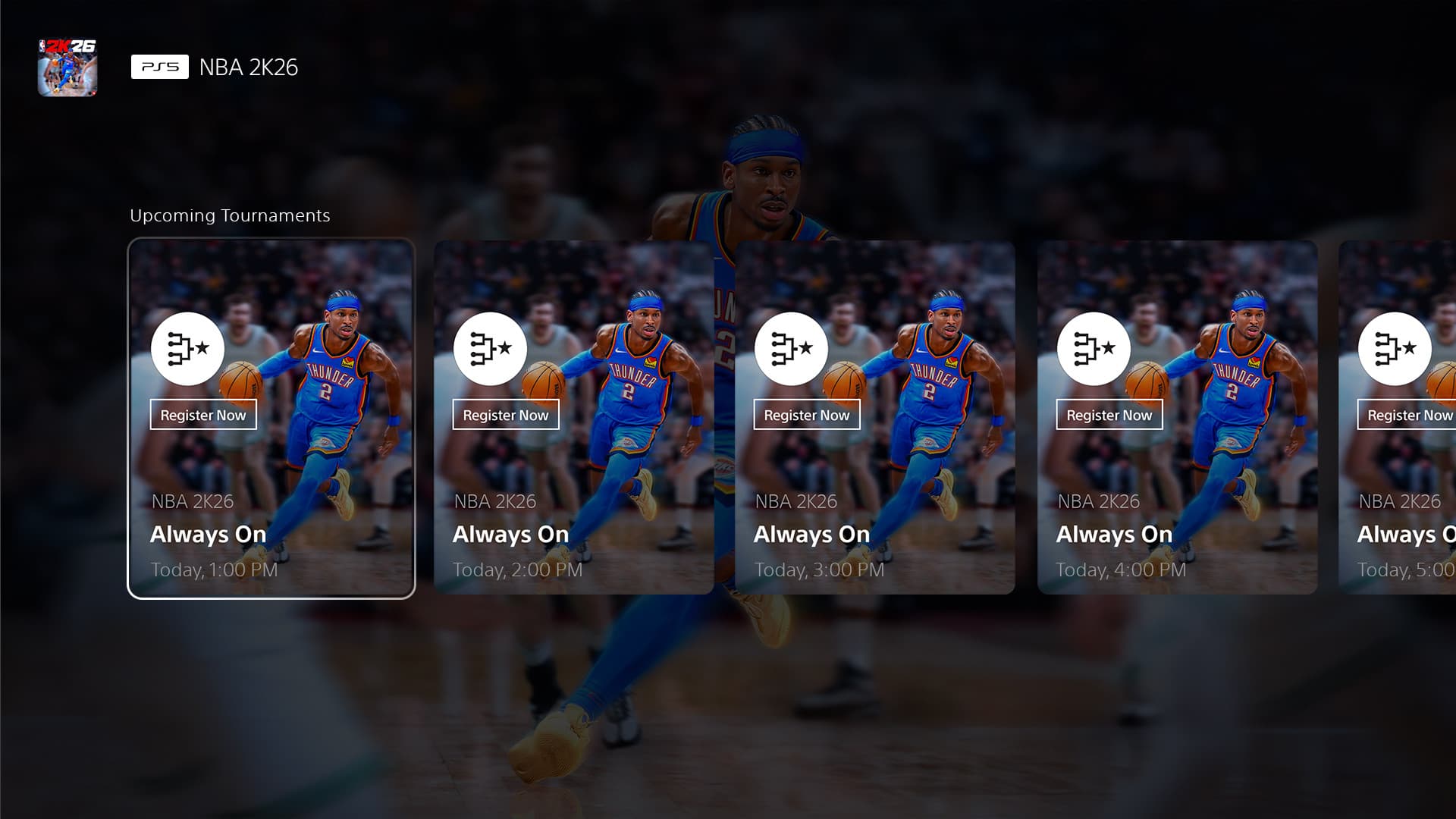
2. Use the in-game season system and daily activities to structure sessions
The Original Report explicitly calls out using the in-game season system and daily activit(, text truncated), so treat these systems as planning tools rather than optional extras. Seasons give you pacing: objectives, milestones, and often reward tracks that turn routine play into cumulative VC and badge progress. Daily activities force small, repeatable goals that add up; use them as warmups or end-of-session tasks so you never leave easy VC on the table.
- Prioritize season milestones first when they overlap with daily tasks, completing one objective can often satisfy both.
- Schedule sessions around season windows, if a season objective requires a certain activity, plan a session specifically to clear it rather than wasting time on unrelated matches.
- Use daily activities as low-friction VC gains: they're quick, often guaranteed, and keep the account moving toward larger season rewards.
3. Craft resilient MyPLAYER builds
Design a resilient MyPLAYER build was another explicit objective from the brief. Resilience in a build means it performs across modes and has fallback tools when the meta shifts. Start by deciding your primary role (shot creator, playmaker, rim protector, etc.), then fold in complementary skills so you can contribute even when the opposing game plan counters your main tool. Resilient builds avoid putting too many points into a single, fragile specialty that the matchmaker or opponents can negate.
- Prioritize flexibility: choose attributes and badges that boost both your primary action and a reliable secondary option so you can switch to defense, spacing, or off-ball scoring when needed.
- Badges and attributes must synergize, your badges should enhance your most-used actions. If you build for shooting, invest in badges that raise consistency under pressure; if you build for defense, stack badges that affect contention and positioning.
- Plan for role transitions: as you level, be ready to reallocate training minutes and badge focus so your MyPLAYER adapts to the season meta and to how your team actually uses you.
4. Prioritize badges with intent
Prioritize badges was called out directly; badges unlock how your build turns stats into on-court impact. Treat badge choices as investments: some are foundational (improving your core effectiveness every game) while others are situational or niche. Identify the badges that affect your primary and secondary roles first, then buy toward situational badges when you have surplus VC or when season objectives require them.

- Rank first those badges that produce measurable, repeatable outcomes in matches (shooting consistency, defensive switches, finishing under contact).
- Use badges to cover weaknesses, if your build lacks athleticism, choose badges that boost positioning, timing, or efficiency rather than chasing raw speed.
- Remember progression timing: some badges unlock earlier in the grind and scale; prioritize badges that unlock now and improve your immediate effectiveness rather than exclusive late-game perks you'll reach much later.
5. Tie badge and build choices into progression strategy
Design a resilient MyPLAYER build and prioritize badges are not independent decisions, treat them as a single progression strategy. Your attribute allocation should leave room for the badges that matter most; conversely, your badge plan should reflect the attributes you actually invest in. That loop, attributes → badges → playstyle, drives responsible acceleration of progression the Original Report urges: accelerate their progression responsibly.
- Map a two-season roadmap: pick the badges you want to max this season and the attributes you need, then lock your short-term sessions to those goals.
- Use daily/season tasks to farm badge XP when possible, objectives aligned to your build will move both badges and VC forward simultaneously.
- Avoid chasing every shiny badge: depth in a role outperforms shallow spread across many badges.
6. A brief note on the "VC" acronym (don't confuse the two)
The research materials include a separate cluster about professional venture capital that uses the same “VC” acronym. Be explicit: in MyCAREER, “VC” means in-game virtual currency; in the professional context, “VC” stands for venture capital and is unrelated to NBA 2K progression. The venture capital excerpts make recommendations that are useful for human careers but not for in-game economics, preserve the distinction when you read both types of advice.
- From the VC career text: “VC is notoriously hard to break into especially if you dont know anyone in the industry.” That sentence refers to venture capital, not your MyCAREER wallet.
- The VC career summary reads: “In summary, your career progression in venture capital entails focusing on your skills acquisition, continuing your education through an MBA, understanding the roles within VC firms, and emphasizing the importance of networking.” Again, this is about professional careers, not virtual currency.
- If you follow those VC-career excerpts for inspiration, do so only as metaphor: networking and skills matter in both worlds, but the mechanics and reward systems are entirely different.
Closing note: accelerate responsibly The Original Report stresses accelerating progression responsibly; the practical translation is simple, build routines that compound (daily activities + season objectives), create a MyPLAYER that survives meta shifts, and pick badges that produce repeatable on-court wins. You don't need to chase every shortcut; you need a plan that converts time into reliable VC and role impact. Stick to that plan across seasons and your progression will feel less like panic and more like steady career building.
Know something we missed? Have a correction or additional information?
Submit a Tip