Naomi Osaka wears kimono-inspired white outfit at Wimbledon, advances
Naomi Osaka turned Wimbledon’s white dress code into a tribute to Japan, then beat Elsa Jacquemot 6-1, 7-5 to move on.
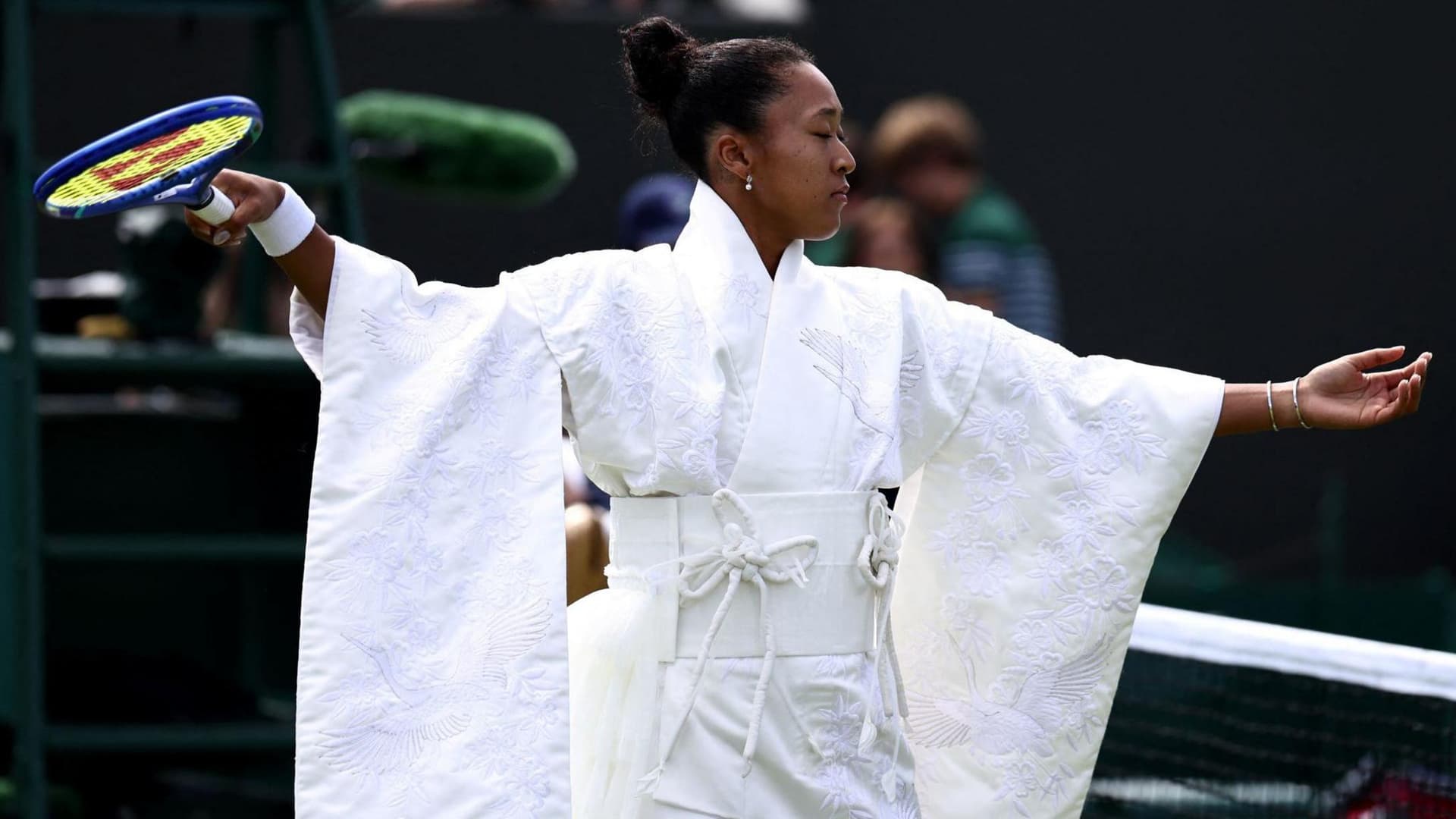
Naomi Osaka arrived at Wimbledon in a kimono-inspired white outfit that honored Japanese culture while staying inside the All England Club’s strict all-white dress code. The look stood out precisely because Wimbledon’s rules leave little room for deviation: competitors must wear almost entirely white tennis attire from the moment they enter the court surround, and the official standard says white does not include off-white or cream.
The outfit was described as a flowing white kimono gown with elaborate embroidery and traditional Japanese styling. Coverage said it drew on vintage shiromuku, the traditional white bridal garments worn in Japan, while also blending kimono and wedding-dress elements. The styling gave Osaka a way to keep making clothing part of her public voice without breaking one of tennis’s most rigid visual codes.
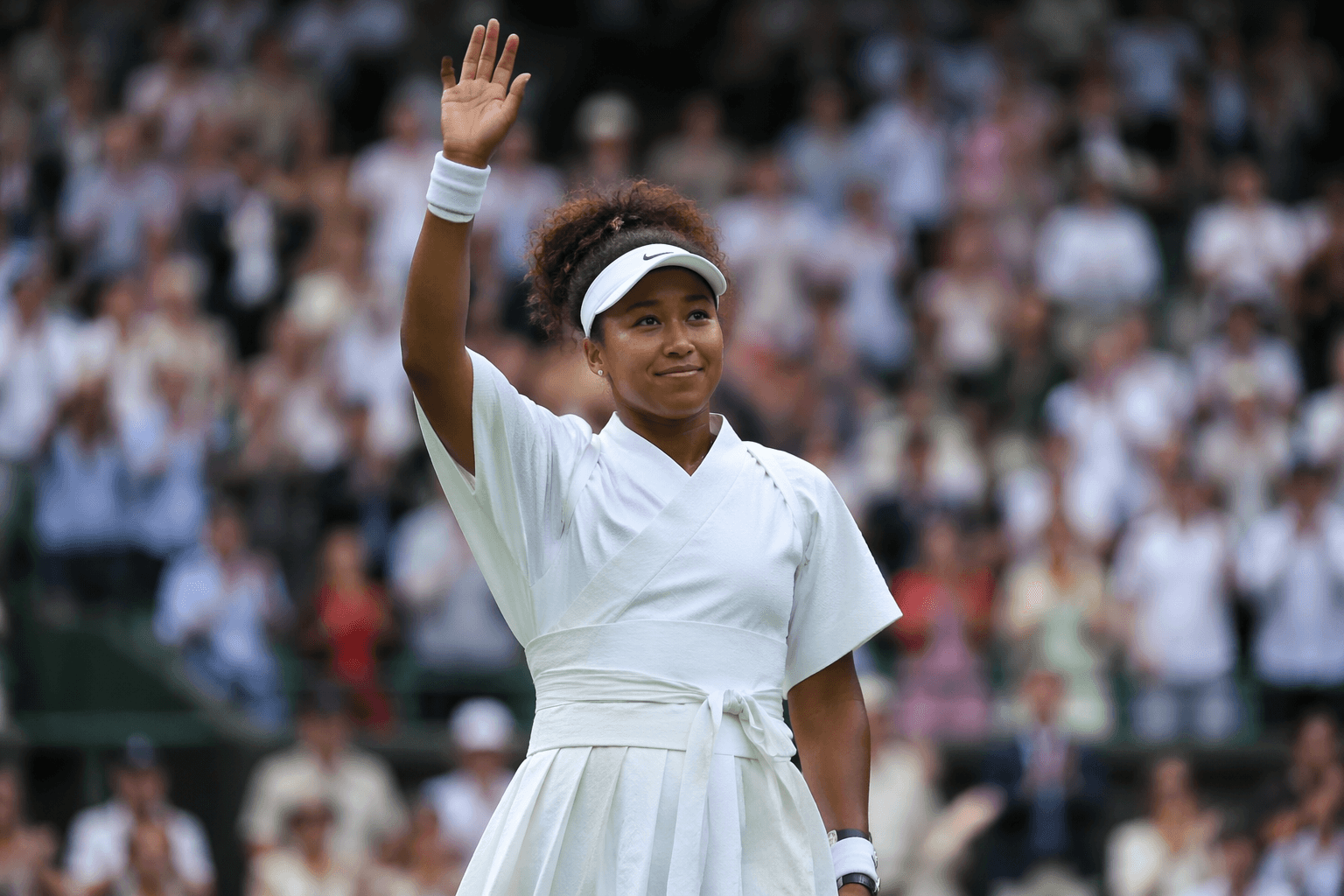
Osaka’s entrance fit a pattern that has followed the 28-year-old four-time Grand Slam champion across major tournaments. She has long used on-court fashion to set the tone before the first point is played, and Wimbledon’s restrictions force that expression into a narrower palette. Osaka has said that not having to think about color lets her focus on fabrics and textures, and the designer behind the look said the white framework shifted attention to material, transparency, construction and silhouette.

The match that followed matched the entrance for significance. Osaka beat France’s Elsa Jacquemot 6-1, 7-5 in the first round and advanced to the second round. She had been scheduled to play on Court 3, and the result kept her moving through the draw after another carefully staged Grand Slam appearance.
The look also carried a sharper cultural edge than a simple style moment. It was framed as a tribute to Osaka’s Japanese heritage, and the styling evoked Lucy Liu’s character in Kill Bill. At Wimbledon, where the rules allow only a single trim of color up to one centimetre around the neckline and sleeve cuffs, that kind of expression has to be built into the garment itself. Osaka’s appearance showed how a player can work within a tradition-bound setting and still make identity visible in plain white.
This article was produced by Prism’s automated news system from verified source data, official records, and press releases, then run through automated quality and moderation checks before publishing. The system is built and supervised by the people who set the standards it runs under. Read our full AI policy.
Did this article answer your question?